
Reviewed · FLORENCE CHURCHES & PALAZZOS
The convent of San Marco in Florence: Private Tour
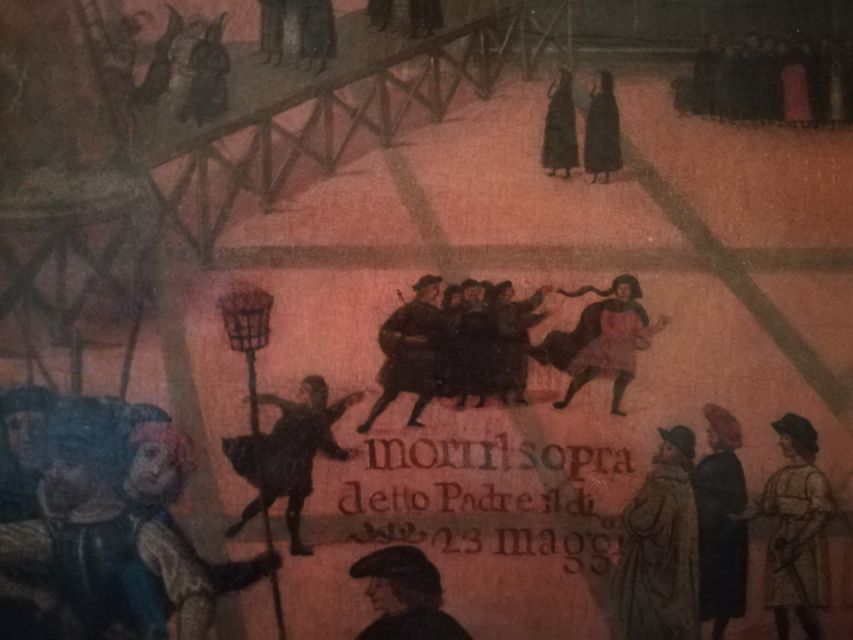
San Marco is where Florence’s art, politics, and religious life meet in one compact complex. Inside, you’ll see the church commissioned by Cosimo il Vecchio de’ Medici, frescoes by Fra Angelico, and the rooms tied to Savonarola, the fiery preacher whose followers gave the convent’s bell its memorable name, La Piagnona, or the crying one.
I like the private format, which gives your guide room to explain details at your pace. I also like the chance to connect the paintings with fifteenth-century Florence, rather than treating San Marco as just another stop on an art checklist.
The main consideration is the price: $209 per person for two hours is a serious outlay, especially for a solo visitor. You’ll get the best value if you care about art, religious history, and close guidance, or if you are sharing the private experience with family or friends.
In This Review
- Key points to know before you book
- Why San Marco deserves a place in your Florence plans
- Starting at Piazza San Marco and the church facade
- Inside St. Mark’s Basilica for one focused hour
- The Museo di San Marco and its two cloisters
- What the private format adds
- Who will get the most from this visit
- How the guide affects the experience
- Is $209 per person a fair price?
- Should you book the San Marco private tour?
- FAQ
- Where does the San Marco private tour begin?
- How long does the experience last?
- What places are included in the visit?
- How much does the tour cost?
- Is the tour private?
- Is a guide included?
- Are entrance tickets included?
- Which languages are available?
- Is hotel transfer included?
- What should you bring?
- Can you cancel the booking?
- Do you have to pay when booking?
Key points to know before you book
- Fra Angelico’s San Marco: See a major Florentine religious complex filled with frescoes and tied to the painter-monk Fra Angelico.
- Five parts of the complex: The visit covers San Marco Church, its facade, the convent, the first cloister, and the second cloister.
- Savonarola’s Florence: Learn about Fra Girolamo Savonarola and La Piagnona, the bell associated with his followers.
- Two hours, privately guided: The schedule gives you a focused introduction without the size of a shared group.
- Five guide languages: Tours are offered in English, Italian, Spanish, French, and German.
- Ticket line included: Entrance tickets and skip-the-line access are part of the experience.
Why San Marco deserves a place in your Florence plans
Florence can make you feel as if every church and museum is competing for your attention. San Marco rewards a slower look. It is not only a place to admire religious art. It is also a setting where the Medici family, Dominican spirituality, artists, scholars, and political argument all meet.
Cosimo il Vecchio de’ Medici commissioned the complex from the architect Michelozzo. That detail matters because it places San Marco within the Medici project of shaping Florence through churches, libraries, convents, and public buildings. You are not simply entering a quiet religious site. You are seeing part of the system that helped make fifteenth-century Florence a center of art and power.
The experience is based in the San Giovanni district, at the San Marco complex. You begin at the main entrance of Saint Mark Church. From there, the guide leads you through the church and the Museo di San Marco, including the first and second cloisters.
I like the way this plan links architecture and painting. The building gives you the setting, while the frescoes show how religious life was presented to the Dominican community. The story becomes more useful when you understand who lived and worked here, including Cosimo il Vecchio de’ Medici, Saint Antonino, Fra Angelico, Fra Bartolomeo, and Savonarola.
More churches and palazzos worth an hour:
- Florence: Palazzo Vecchio Entrance Ticket & Audioguide
★ 4.4 · 4,822 reviews - Florence: Palazzo Vecchio Guided Tour
★ 4.8 · 1,260 reviews - Florence: Timed Entrance Ticket to San Marco Museum
★ 4.6 · 396 reviews
Starting at Piazza San Marco and the church facade
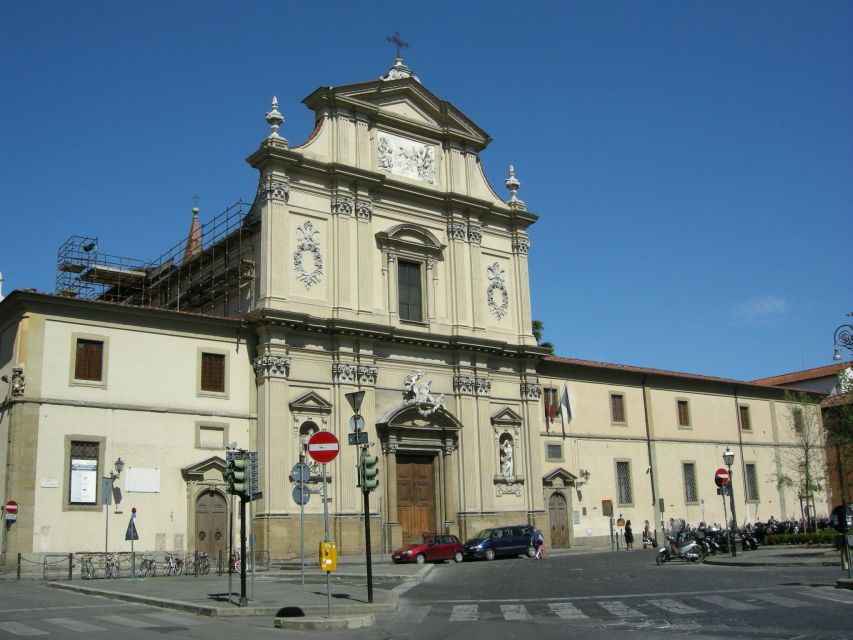
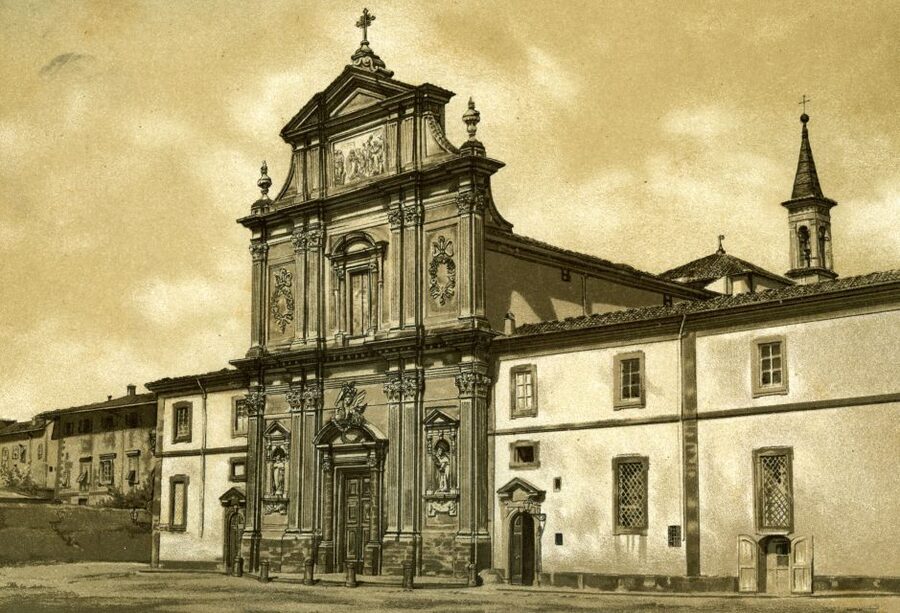
The first visit in the schedule takes place at Piazza San Marco and lasts about 15 minutes. This is a short opening, but it helps you get your bearings and understand the complex from outside before you enter.
Your guide can point out the facade and explain its place in the surrounding urban area. Since San Marco was commissioned as part of a large monastery complex, the exterior is more than a backdrop for photographs. It introduces the scale and purpose of the institution.
A short piazza stop also gives you a chance to confirm that you are at the correct meeting point. The meeting place is the principal entrance of Saint Mark Church, while the experience information also identifies Museo di San Marco as the starting location. Bring your passport or ID card, as that is listed among the required items.
The facade portion is not the longest part of the visit. That is a good thing if you want most of your two hours indoors, but it also means you should not expect a lengthy architectural walk around the neighborhood. The focus remains firmly on San Marco itself.
Inside St. Mark’s Basilica for one focused hour
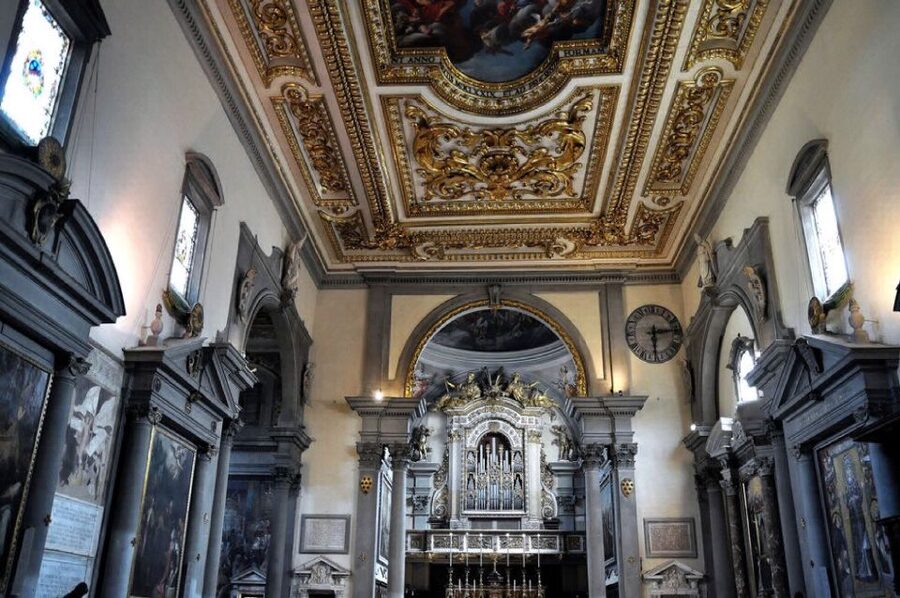
The church visit takes about one hour, making it the central stop. Here, the architecture and religious function of San Marco begin to make sense together.
The church was originally part of the larger San Marco monastery. Its importance grew from the people connected with the complex as much as from the building itself. Cosimo il Vecchio de’ Medici supported the project, Michelozzo designed the architecture, and Dominican figures and artists gave the monastery its lasting cultural importance.
Fra Angelico is central to the identity of San Marco. His burial place is here, and his work helps explain why the complex is such an important art stop in Florence. The frescoes were created for a religious setting, so the guide’s explanation can help you see them as part of daily devotion rather than as isolated museum pieces.
That context is one of the strongest reasons to choose a private tour. You can ask why a particular image appears where it does, how the paintings relate to monastic life, or how the building connects to the wider culture of fifteenth-century Florence. The experience is more than a quick look at painted walls.
The church also connects you to Fra Bartolomeo and Saint Antonino. Their association with San Marco adds layers to the story, especially if you are interested in the connection between religious institutions and artistic work.
Savonarola gives the church a sharper political edge. Fra Girolamo Savonarola became one of Florence’s best-known religious figures, and his influence reached far beyond the monastery. His story brings questions of reform, public morality, power, and conflict into a space that might otherwise seem purely peaceful.
The bell La Piagnona adds an especially memorable detail. Its name means the crying one, a reference to Savonarola’s followers, who were known for constantly complaining about the Florentines. The death of Savonarola was announced with the help of this bell. It is a small object with a large story, and it helps turn an abstract political episode into something you can remember.
I would give yourself room to listen here. A private guide can keep the pace moving, but the subject is dense. If you try to photograph every fresco while also following the story, you may miss the connection between the artworks and the people who shaped San Marco.
The Museo di San Marco and its two cloisters
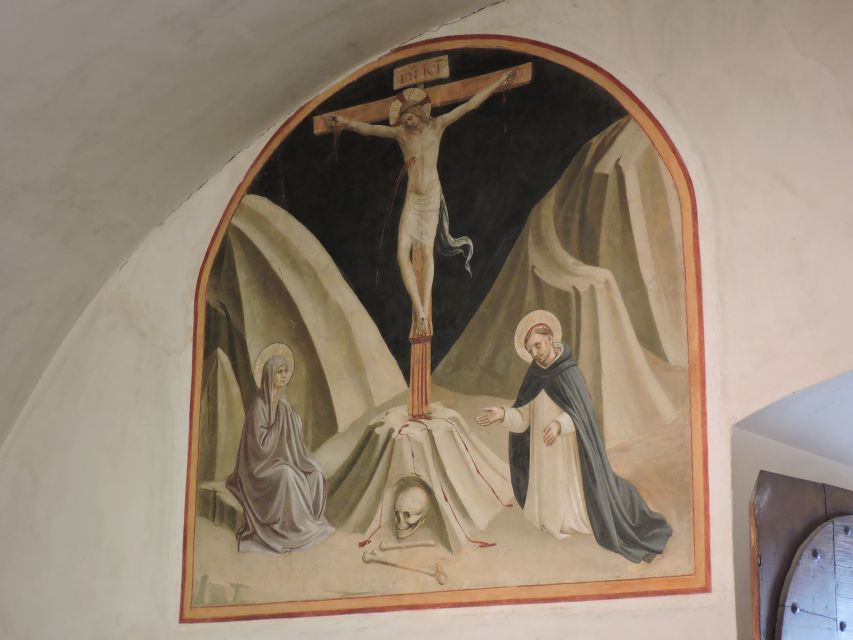
The final 45 minutes take place in Museo di San Marco. This portion includes the convent and its first and second cloisters, so it is not simply a separate gallery stop. You are moving through the spaces that made the monastery function.
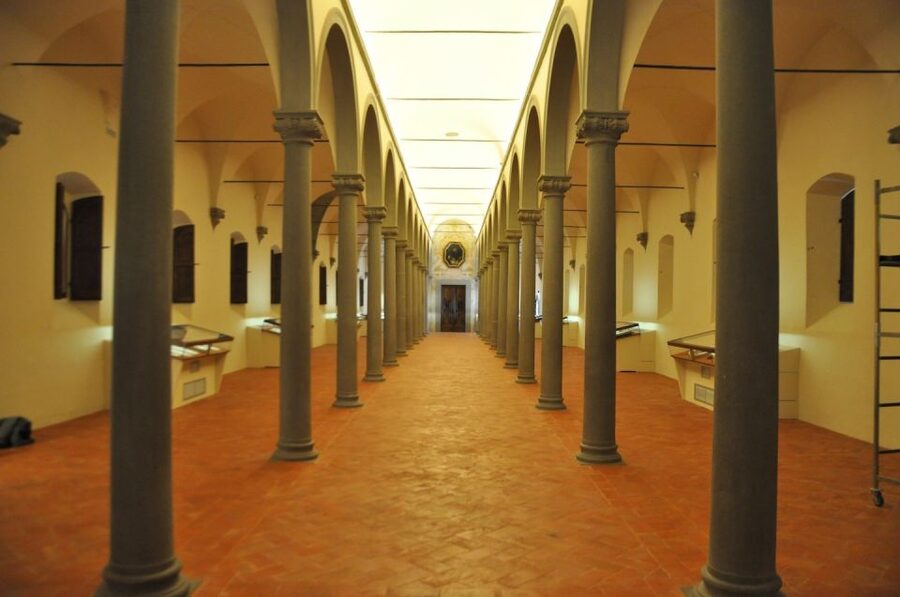
The cloisters are valuable because they show how the complex was organized. Their architecture gives you a sense of movement, repetition, and quiet enclosure. The open spaces also provide a change of pace after the church interior, while keeping you within the same religious setting.
The convent is where the personal stories become easier to picture. San Marco was home to people who prayed, taught, painted, preached, and debated. Fra Angelico’s role here is particularly important, but the setting also belongs to Fra Bartolomeo, Saint Antonino, and Savonarola.
The Museo di San Marco is described as a church and museum complex with many frescoes. That combination suits visitors who want more than a single dramatic painting. You get architecture, cloisters, religious art, and Florence’s social story in one place.
The first and second cloisters are specifically included in the visit, so you are not limited to the facade and main church. This is an important point when comparing the tour with a simple church visit. You are paying for access to a broader complex and for a guide who can connect its parts.
The 45-minute museum portion is also the place where the private format may prove most useful. You can ask your guide to spend more time on Fra Angelico, Savonarola, the Medici connection, or the architecture, depending on your interests. The guide languages are English, Italian, Spanish, French, and German.
One practical caution comes from the language feedback. The tour is offered in five languages, but one French-speaking participant found the French explanation quite limited. If French is essential to your booking decision, confirm the guide’s fluency before paying. The available feedback also praised guides for being prepared, professional, attentive, and able to explain context beyond the basic details, but language quality can still vary by guide.
More Florence options worth a look before you decide
- Cinque Terre and Pisa Tower Tour from Florence Semi Private
★ 5.0 · 1,406 reviews - From Florence: Private Chianti Hills Tour with Tasting
★ 4.3 · 809 reviews - Private Self-Guided E-Bike Ride in Tuscany with Vineyard Visit
★ 5.0 · 775 reviews - Florence Private Transportation in Rickshaw
★ 5.0 · 730 reviews
What the private format adds
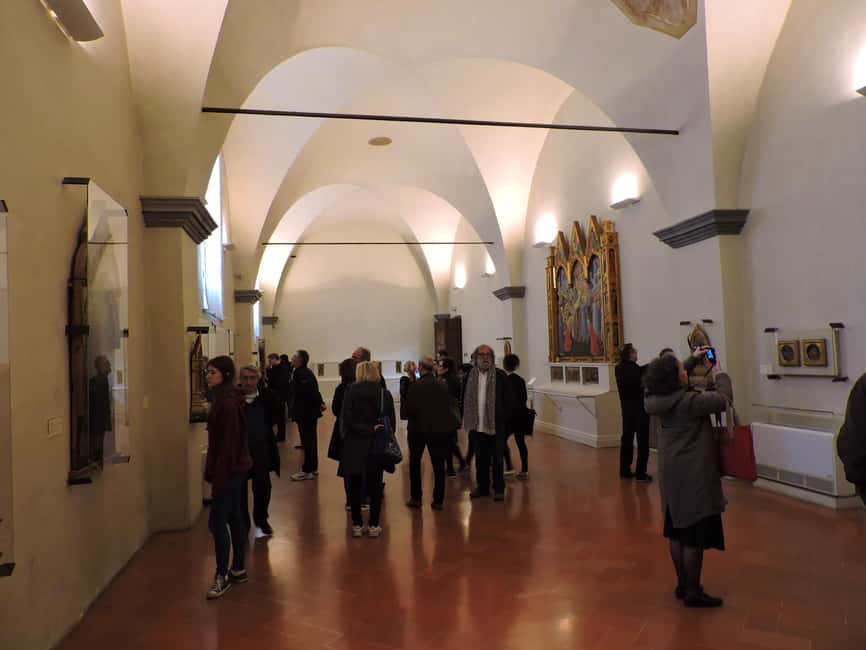
A private group changes the feel of a short museum visit. You are not trying to hear a guide over a crowd, and you can ask questions without holding up a large party. For a site with several connected areas, that flexibility is useful.
The two-hour limit keeps the outing manageable. Florence has a way of filling every day with churches and museums, so a focused visit can be a smart choice. You can learn the central story of San Marco without giving up an entire morning or afternoon.
The tradeoff is cost. At $209 per person, this is not a budget entrance ticket. The price makes more sense for couples, families, or friends who want a private guide and can share the cost of the experience. It is harder to justify if you mainly want to enter the church, look around on your own, and move on.
Entrance tickets are included, and skip-the-ticket-line access is provided. That can save time, particularly on a tightly planned Florence day. Hotel transfer is not included, so you need to make your own way to the meeting point.
The cancellation policy gives you some protection. You can cancel up to 24 hours in advance for a full refund, and the reserve-now-pay-later option lets you keep your plans flexible. Starting times depend on availability, so check the schedule before building the rest of your day around the tour.
Who will get the most from this visit
I would recommend San Marco to anyone who wants to understand how art worked inside a religious community. It is a strong choice for visitors already interested in Fra Angelico, the Medici family, Dominican spirituality, or Savonarola’s role in Florence.
It also suits first-time visitors who prefer a guide to organize the story. The complex includes a church, facade, convent, two cloisters, and a museum. Without context, it may be difficult to see how all those spaces fit together.
Art-focused families may find the private format useful. A guide can adjust the explanation and keep children engaged with stories such as La Piagnona, rather than giving only dates and names. The two-hour length is also easier to manage than a long museum tour.
I would think twice if your main interest is grand architecture or huge collections. San Marco is important because of its focused setting and close connection to religious life, not because it offers the scale of Florence’s largest museums. The experience asks you to pay attention to frescoes, rooms, people, and ideas.
It may also be less suitable if you need a very specific language standard. English, Italian, Spanish, French, and German are listed, but the French language feedback suggests you should confirm the guide’s spoken ability in advance if that matters greatly to you.
How the guide affects the experience
The guide can make or break a compact visit. The strongest feedback points to guides who are well prepared, professional, passionate, and able to keep attention high. That is exactly what San Marco needs, since the complex contains many names and connected stories.
A good explanation should show why Cosimo il Vecchio de’ Medici commissioned Michelozzo, why Fra Angelico belongs at the center of the museum story, and how Savonarola changed the meaning of the site. It should also help you understand the role of the church, convent, and cloisters as parts of one monastery.
You should feel free to ask for context. The tour is not limited to pointing out the most obvious frescoes. The available guide feedback specifically values explanations that go beyond the narrow details of San Marco, so questions about Florence’s fifteenth-century culture fit the purpose of the visit.
Since the tour is private, tell your guide what interests you at the start. If you care most about art, ask for more time with Fra Angelico. If you are interested in political and religious conflict, ask for more on Savonarola and La Piagnona. If architecture is your priority, make sure the facade, cloisters, and Michelozzo receive proper attention.
Is $209 per person a fair price?
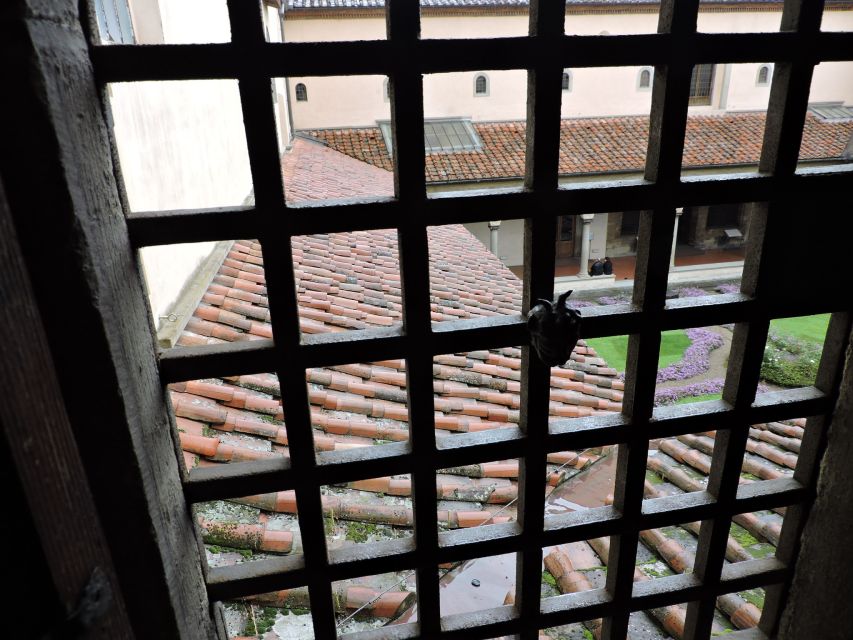
The answer depends on what you want from the visit. You are paying for a private guide, entrance tickets, skip-the-line access, and two hours focused on one of Florence’s important religious and artistic complexes.
That is a fair arrangement for someone who values personal explanation and has limited time. You avoid piecing together the church and museum on your own, and you can shape the conversation around your interests. The price is also easier to accept when several people share a private booking.
It is not the best value for a visitor who is happy with a self-guided look. San Marco is compact enough that some people may prefer to buy admission and read about it independently. In that case, the private guiding fee may feel high.
I would judge the price by the guide’s language ability and your interest in the subject. A well-prepared guide who explains the Medici, Fra Angelico, Savonarola, Michelozzo, and the cloisters clearly can turn two hours into a strong lesson in Florence. A weak language match would reduce that value.
Should you book the San Marco private tour?
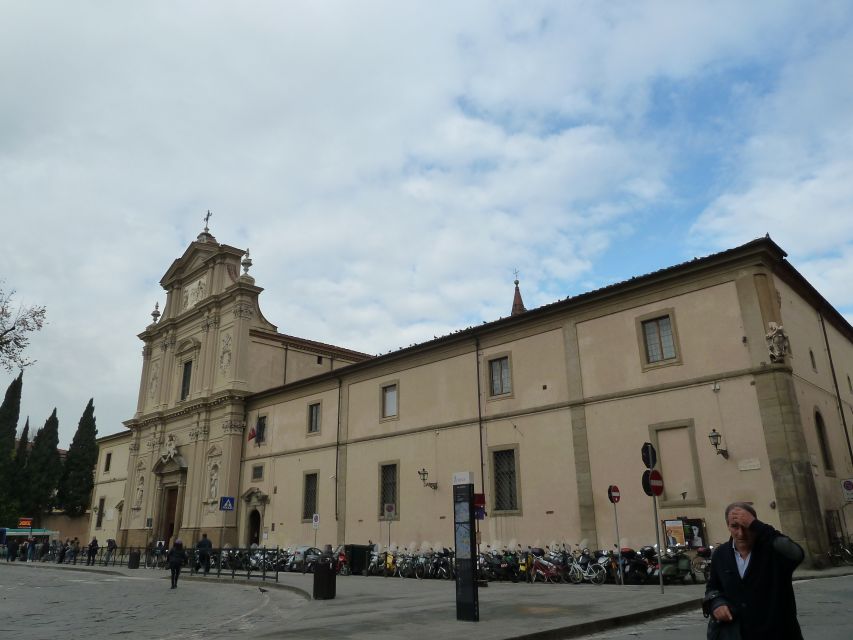
Book it if you want a focused, personal introduction to Fra Angelico, Savonarola, Medici Florence, and the monastery that connects them. The two-hour plan is efficient, the full complex is included, and the private format gives you room to ask questions and adjust the pace.
I would especially choose it for a small group with a shared interest in art or Florence’s religious and political past. The five-star feedback is consistently strong on preparation, professionalism, passion, and the ability to keep attention high.
Skip it if you are watching your budget, prefer to explore independently, or mainly want a quick look at the church. Also confirm the guide’s language level before booking if you need French in particular. For the right audience, San Marco offers a thoughtful alternative to Florence’s busiest headline sights, with enough art and human drama to fill two worthwhile hours.
FAQ
Where does the San Marco private tour begin?
The meeting point is the principal entrance of Saint Mark Church in Florence. The starting location is also identified with Museo di San Marco.
How long does the experience last?
The tour lasts two hours.
What places are included in the visit?
You visit Piazza San Marco, the facade, San Marco Church, the convent, the first cloister, the second cloister, and Museo di San Marco.
How much does the tour cost?
The listed price is $209 per person.
Is the tour private?
Yes. It is arranged for a private group.
Is a guide included?
Yes. A private tour guide is included.
Are entrance tickets included?
Yes. Entrance tickets are included, along with skip-the-ticket-line access.
Which languages are available?
The tour is offered in English, Italian, Spanish, French, and German.
Is hotel transfer included?
No. Hotel transfer is not included.
What should you bring?
You should bring a passport or ID card.
Can you cancel the booking?
Yes. You can cancel up to 24 hours in advance for a full refund.
Do you have to pay when booking?
No. The reserve-now-and-pay-later option allows you to book without paying immediately.
Latest additions around Florence
- Florence: Cathedral Tour & Brunelleschi’s Dome Climb Ticket★ 5.0 · 3 reviews
- Palatina Gallery and Pitti Guided Tour in Florence★ 5.0 · 3 reviews
- San Gimignano Bike Tour (SOFT)★ 4.5 · 3 reviews
- Florence Uffizi Gallery Skip-the-line Tour w Art Historian Guide★ 5.0 · 3 reviews
- Private Tour: Pisa and Lucca from Florence★ 5.0 · 3 reviews
- Florence: Tour of Florence by rickshaw★ 5.0 · 3 reviews
- Center of Florence by golf cart★ 5.0 · 3 reviews
- From Firenze | Chianti day tour in a classic car★ 5.0 · 3 reviews
Florence Churches & Palazzos, compared.

Palazzo Vecchio guided experience with entrance ticket
Read our review →
Browse the lists this tour appears in