
Reviewed · FLORENCE CHURCHES & PALAZZOS
Florence: Access to the Brancacci Chapel
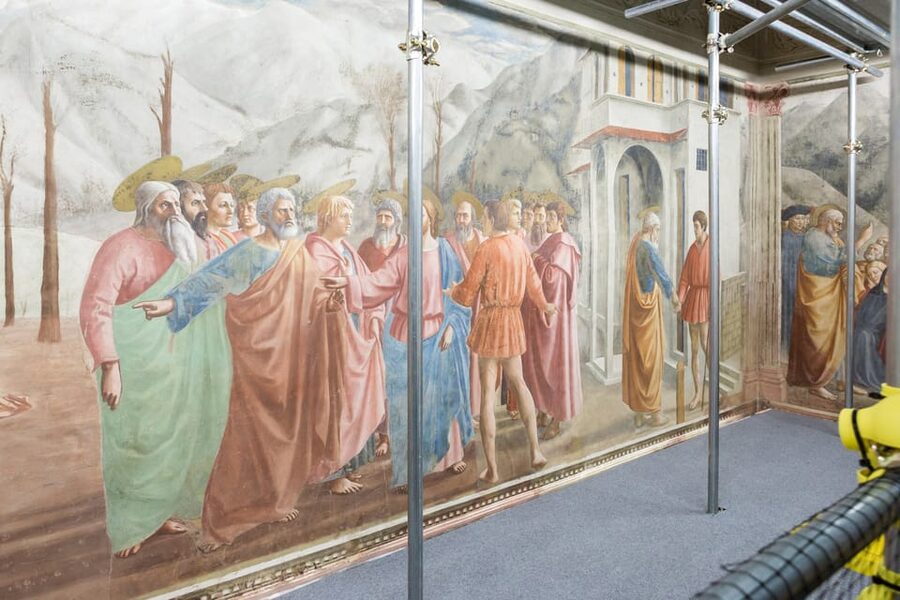
Masaccio’s frescoes in the Brancacci Chapel changed Renaissance painting, and this short visit puts you close enough to study the faces, gestures, and new sense of space. The setting is Santa Maria del Carmine, not Florence’s crowded museum circuit, so the chapel feels like a focused art stop rather than a long sightseeing session.
I like the close view of the frescoes, where small details matter, and the chance to hear how Masaccio, Masolino da Panicale, and Filippino Lippi worked on the Stories of Saint Peter. I also like the 50-minute length, which fits neatly into a day of exploring Florence.
The main drawback is the pace. Fifty minutes is not much time for several major fresco scenes, and one recent booking note found the guide’s explanation too long for the time available and hard to hear without an audioguide. Stand near the guide if you can, and bring comfortable shoes.
In This Review
- Key points to know before booking
- Why the Brancacci Chapel matters in Florence
- Finding the entrance at Santa Maria del Carmine
- What you see inside the chapel
- Masaccio’s art, explained without museum jargon
- How the 50-minute format affects the visit
- Is $36 a fair price?
- Who will get the most from this experience?
- Simple ways to prepare for the chapel
- Booking flexibility and basic terms
- Should you book the Brancacci Chapel visit?
- FAQ
- Where does the Brancacci Chapel experience meet?
- Which entrance should I use?
- How long does the experience last?
- What language is the tour offered in?
- Is a guide included?
- Which artists are connected with the chapel frescoes?
- What subject do the frescoes show?
- Can I bring a backpack?
- What should I wear?
- Can I cancel for a refund?
Key points to know before booking
- Masaccio’s breakthrough work: Focus on the young painter’s changes to space, structure, and human figures.
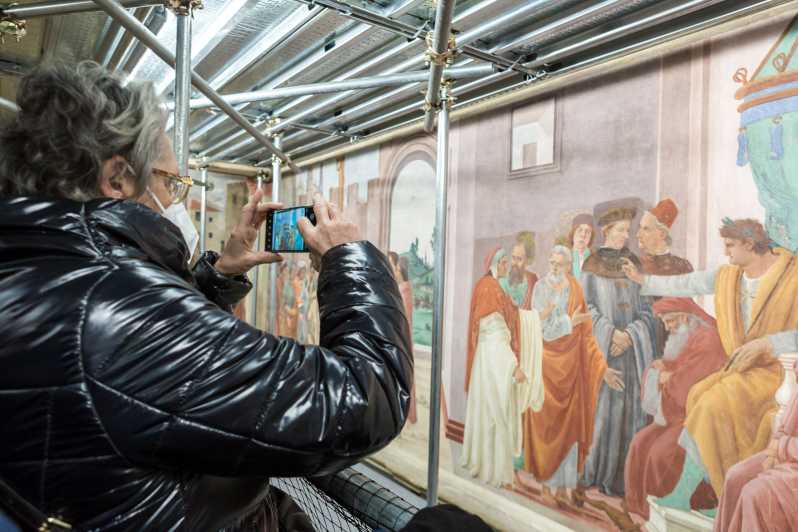
- Three Renaissance masters: The chapel’s fresco cycle involves Masaccio, Masolino da Panicale, and Filippino Lippi.
- A compact 50-minute visit: Good for fitting serious art into a busy Florence day.
- English cultural mediation: The live tour is offered in English, with explanations aimed at helping you read the scenes.
- Cloister entrance: Go to Piazza del Carmine 14 and use the entrance leading to the church cloister.
- No backpacks: Leave large bags elsewhere, since backpacks are not allowed inside.
Why the Brancacci Chapel matters in Florence
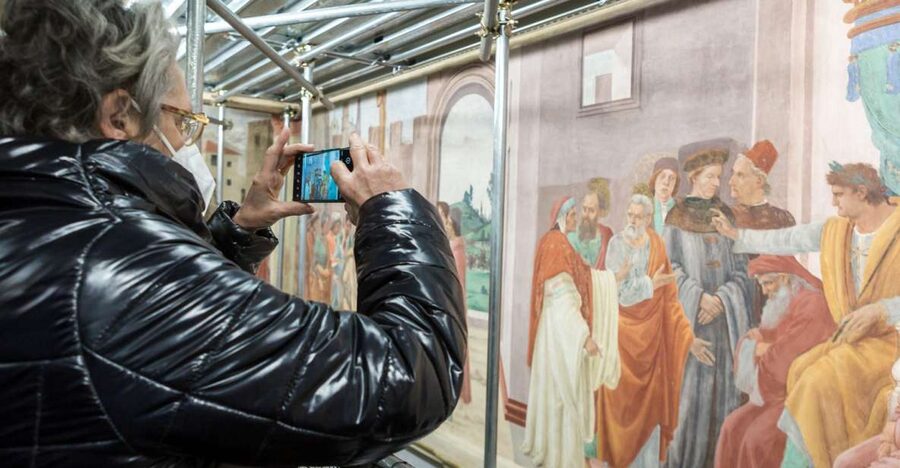
Florence is full of famous paintings, but the Brancacci Chapel offers a different kind of art experience. You are not moving through a huge gallery with dozens of unrelated works. You are looking at one chapel and one connected cycle of frescoes, the Stories of Saint Peter.
The chapel was commissioned by Felice Brancacci and decorated by Masolino da Panicale, Masaccio, and later Filippino Lippi. That combination gives you three names to keep in mind, but Masaccio is the central reason many people make the visit.
Masaccio was a young painter whose work introduced major changes in the way figures and spaces could appear on a wall. The tour draws attention to his stylistic and structural innovations, rather than asking you to admire the frescoes only for their age or fame.
That focus is useful. You will get more from the chapel if you look at how the figures occupy space, how scenes are organized, and how the people appear to relate to one another. The cultural mediator helps direct your eye, which matters when you are standing in front of a large painted cycle with many details competing for attention.
More churches and palazzos worth an hour:
- Florence: Palazzo Vecchio Entrance Ticket & Audioguide
★ 4.4 · 4,822 reviews - Florence: Palazzo Vecchio Guided Tour
★ 4.8 · 1,260 reviews - Florence: Timed Entrance Ticket to San Marco Museum
★ 4.6 · 396 reviews
Finding the entrance at Santa Maria del Carmine
The meeting point is Piazza del Carmine 14. The important detail is that access to the chapel is through the entrance leading to the cloister of Santa Maria del Carmine.
That instruction is worth noting because the chapel is connected with the church and convent complex, not presented as a separate street-level museum with an obvious modern entrance. Give yourself enough time to locate the correct doorway in the square. Once inside the cloister route, you will be directed toward the Brancacci Chapel.
This is a specific meeting point, so do not simply head to a general entrance for every part of Santa Maria del Carmine. Follow the instructions for the cloister entrance. The supplied information does not give a recommended arrival time, so the safest plan is to be at Piazza del Carmine before your scheduled start.
You should wear comfortable shoes. The visit lasts only 50 minutes, but you will be standing for much of the explanation, and comfort makes it easier to keep your attention on the walls.
Backpacks are not allowed. Do not assume you can carry a daypack into the chapel. If you are spending the whole day in Florence, plan your bags before arriving.
What you see inside the chapel
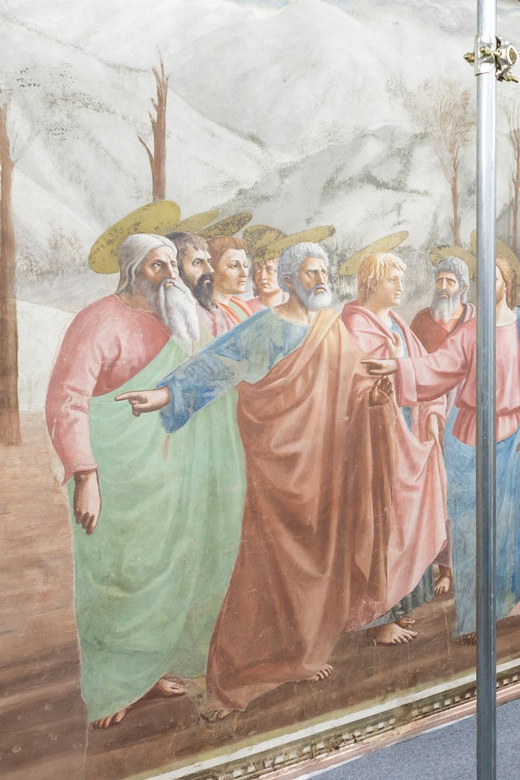
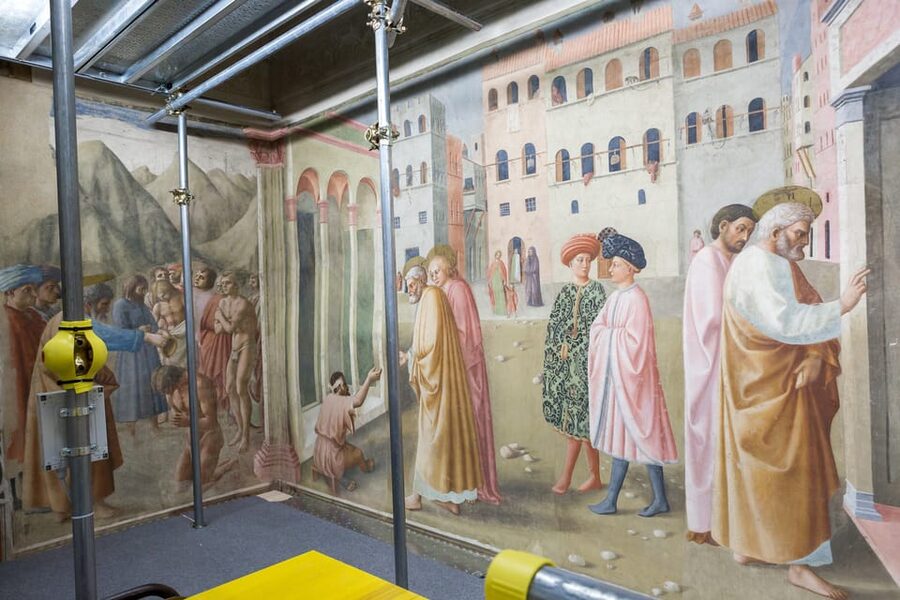
The main subject is the Stories of Saint Peter. The scenes are not treated as isolated paintings. They form a connected program, and the guide’s job is to help you understand how each part contributes to the whole.
You can expect the explanation to center on the scenes and on the choices made by the painters. Masaccio’s contribution receives special attention, particularly the way his figures and architectural settings create a stronger sense of physical space.
Look closely at the arrangement of the people. The value of seeing the frescoes at close distance is not just the ability to see color. You can study the way faces are turned, how bodies are positioned, and how the painted setting helps organize the action.
The tour also introduces the different artistic roles of Masolino, Masaccio, and Filippino Lippi. The chapel was not completed by one artist working alone, so the visit gives you a chance to consider changes in style across the cycle.
The information provided does not specify a scene-by-scene route or name individual fresco panels. That means you should think of this as a guided reading of the chapel rather than a fixed list of stops. The cultural mediator will explain the scenes selected for attention during your 50 minutes.
Masaccio’s art, explained without museum jargon
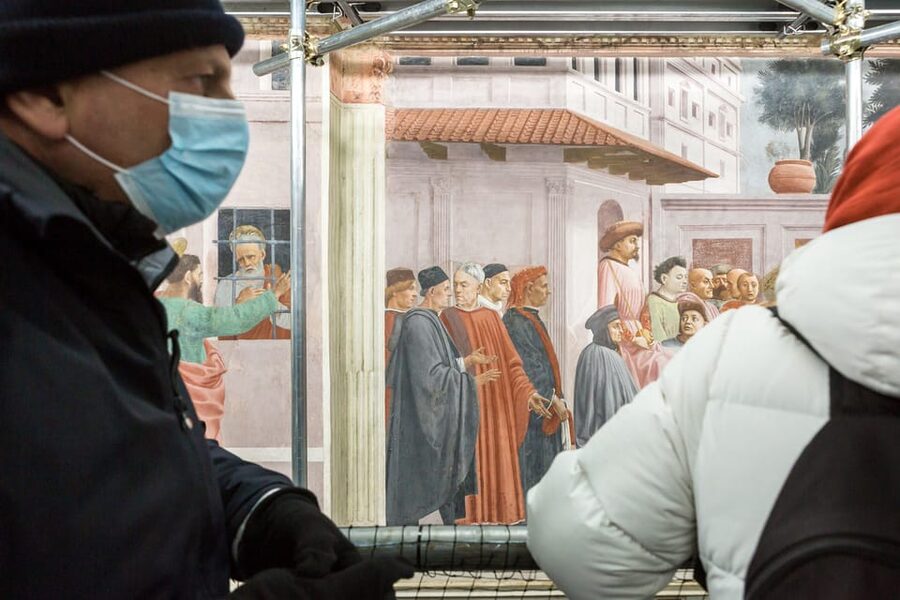
Masaccio is sometimes associated with the nickname Masaccio, which Giorgio Vasari connected to his carelessness. That anecdote is less important than what the painter did on the wall.
The useful point for you is that Masaccio became known for revolutionary art. The tour asks you to examine the changes he brought to the Stories of Saint Peter, especially in style and structure.
In plain terms, you are looking at how a painted scene can feel ordered and solid. The figures are not merely decorative additions around a religious subject. Their placement, scale, and relation to the setting help create an event that appears to happen in a believable space.
The guide’s explanation should help you move from I like this painting to more precise observations. You might notice how the action is grouped, how the figures direct your attention, or how the painted architecture supports the scene. You do not need a background in Renaissance art to follow this, but you will benefit from listening carefully.
This is where the tour earns its place in a Florence itinerary. Without explanation, you can still admire the chapel. With a clear explanation, you have a better chance of recognizing why Masaccio’s work mattered.
A different way to spend the same Florence day:
- Florence: Skip-The-Line Uffizi Gallery Timed Entry Ticket
★ 4.5 · 27,832 reviews - Tuscany Day Trip from Florence: Siena, San Gimignano, Pisa and Lunch at a Winery
★ 5.0 · 21,634 reviews - Florence: Timed Entrance Ticket to Michelangelo’s David
★ 4.6 · 16,983 reviews - Florence: Michelangelo’s David Skip-the-Line Entry Ticket
★ 4.5 · 12,764 reviews
How the 50-minute format affects the visit
Fifty minutes is a sensible length for a single chapel. It gives you enough time for an introduction, focused interpretation, and close looking without turning the visit into an all-morning commitment.
The tradeoff is that the guide must manage time carefully. The chapel contains work by three important painters, and the Stories of Saint Peter offer more material than can be covered at equal length in less than an hour.
One recent booking note described the English guide as charming and competent but felt the explanation became too long for the time available. That is useful advice, not a reason to dismiss the visit. You should expect a guided art talk with a lot to cover, and you may not receive equal attention to every scene.
Another practical concern was audibility. The same note found it difficult to hear without an audioguide. An audioguide is not listed as included, so do not count on one being supplied. Stay as close to the cultural mediator as possible and avoid drifting to the back of the group.
The tour is live and in English. A separate booking note asked for a Japanese-language option, but Japanese is not listed among the available languages. If you need Japanese interpretation, this experience does not currently promise it.
Is $36 a fair price?
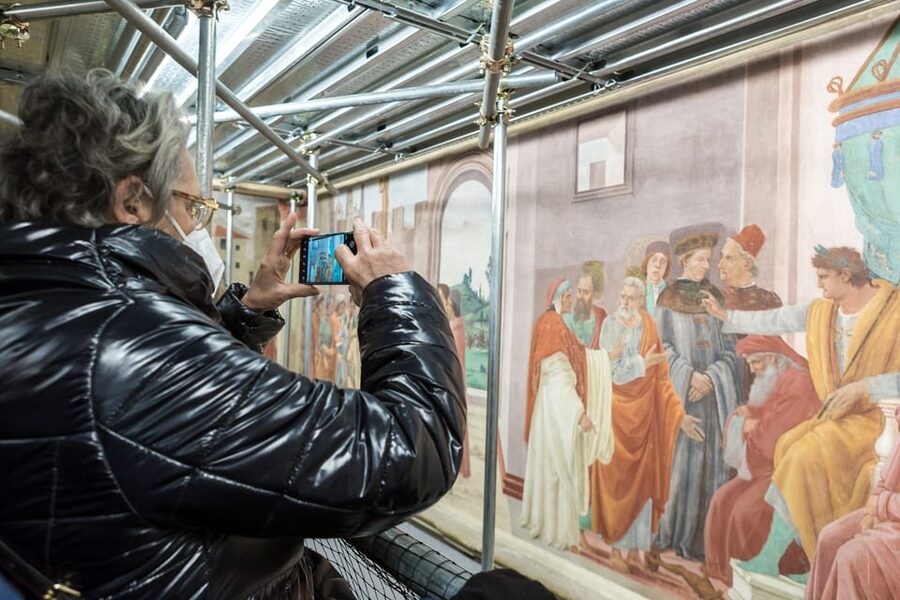
At $36 per person, this is not a casual five-minute look at a pretty chapel. You are paying for special access to the Brancacci Chapel and a live English explanation of a major Renaissance fresco cycle.
The value depends on how you like to see art. If you are happy to walk into churches, glance around, and move on, the price may feel high for a 50-minute visit. If you want help understanding why the frescoes are important, the cultural mediation makes the cost easier to justify.
The short format also has practical value. Florence rewards careful planning, but it is easy to fill a day with long museum visits. This experience gives you a concentrated art stop that can sit between other sights without taking over your schedule.
I would compare the price with your interest in Renaissance painting. Masaccio is not a minor name tucked away in an obscure room. The chapel is important because of the artists involved and the changes in painting that the tour explains.
Still, the price does not remove the need for realistic expectations. You are not booking a private tour, and the information provided does not promise a private group or individual audio equipment. You are booking access and a live English explanation within a fixed 50-minute period.
Who will get the most from this experience?
I would recommend the visit to you if you enjoy looking closely at art and want context without committing to a large museum tour. It suits people who have already seen Florence’s major center and want a more focused stop in the Santa Maria del Carmine complex.
It also works well for anyone studying Renaissance art, architecture, or religious painting. The tour gives you a chance to connect three artists with one chapel and to consider how their contributions differ.
You will probably appreciate it most if you are willing to listen and look for the full 50 minutes. This is not mainly a quick photo stop. The point is to understand the scenes and the artistic decisions behind them.
Families and younger visitors may enjoy the short duration, but the experience is still an art explanation rather than a hands-on activity. The provided information does not list a children’s format or a special family program.
If you need a language other than English, check carefully before booking. English is the listed tour language, and no Japanese option is promised.
Simple ways to prepare for the chapel
Arrive at Piazza del Carmine 14 with the entrance detail fresh in your mind: use the doorway leading to the cloister of Santa Maria del Carmine. That one point can save you from circling the church complex.
Wear comfortable shoes and avoid bringing a backpack. Since large bags are not allowed, organize your day so you are not carrying more than you need.
Before you enter, decide what you want from the visit. You might focus on Masaccio’s use of space, compare the three artists, or follow the Stories of Saint Peter as a connected narrative. A clear aim helps you make better use of a short tour.
Inside, stay close enough to hear the cultural mediator. Since one booking note raised an audibility concern, position matters. You can still look around after the main explanation, but missing the commentary is harder to fix once the tour moves on.
Booking flexibility and basic terms
You can cancel up to 24 hours in advance for a full refund. You can also reserve now and pay later, which helps if your Florence schedule is still taking shape.
Starting times vary, so check availability for your date. The duration is fixed at 50 minutes, and the live guide language is English.
The activity is provided by Associazione MUS.E, Palazzo Vecchio. The included item is special access to the Brancacci Chapel. Do not assume that transport, food, backpacks, or an audioguide are included, since they are not listed.
Should you book the Brancacci Chapel visit?
Book it if you want a concentrated look at Masaccio and the Stories of Saint Peter, especially if a guide’s explanation will help you notice the chapel’s structure and style. The close view and compact length make it a practical addition to a Florence day.
Think twice if you want a leisurely, self-guided visit with plenty of time to linger. Fifty minutes can feel tight, and hearing the guide may be difficult if you stand too far away.
For most art-minded visitors, I think the price is reasonable because it combines access with interpretation at one of Florence’s important Renaissance sites. Go with comfortable shoes, no backpack, and realistic expectations about the pace. If those conditions suit you, this is a focused and worthwhile chapel visit.
FAQ
Where does the Brancacci Chapel experience meet?
The meeting point is Piazza del Carmine 14 in Florence.
Which entrance should I use?
Access to the Brancacci Chapel is through the entrance leading to the cloister of the Church of Santa Maria del Carmine.
How long does the experience last?
The visit lasts 50 minutes.
What language is the tour offered in?
The live tour guide speaks English.
Is a guide included?
Yes. The experience includes explanations from a live cultural mediator.
Which artists are connected with the chapel frescoes?
The frescoes were created by Masolino da Panicale, Masaccio, and Filippino Lippi.
What subject do the frescoes show?
The tour examines the Stories of Saint Peter.
Can I bring a backpack?
No. Backpacks are not allowed.
What should I wear?
Comfortable shoes are recommended.
Can I cancel for a refund?
Yes. You can cancel up to 24 hours in advance for a full refund.
Latest additions around Florence
- Florence: Cathedral Tour & Brunelleschi’s Dome Climb Ticket★ 5.0 · 3 reviews
- Palatina Gallery and Pitti Guided Tour in Florence★ 5.0 · 3 reviews
- Florence Uffizi Gallery Skip-the-line Tour w Art Historian Guide★ 5.0 · 3 reviews
- Private Tour: Pisa and Lucca from Florence★ 5.0 · 3 reviews
- San Gimignano Bike Tour (SOFT)★ 4.5 · 3 reviews
- Florence: Tour of Florence by rickshaw★ 5.0 · 3 reviews
- Center of Florence by golf cart★ 5.0 · 3 reviews
- From Firenze | Chianti day tour in a classic car★ 5.0 · 3 reviews
Florence Churches & Palazzos, compared.
Palazzo Vecchio guided experience with entrance ticket
Read our review →
Basilica Santa Croce: Walking Among the Masters of Florence
Read our review →Browse the lists this tour appears in