Reviewed · WORKSHOPS
Small group PURO Vegan pasta and bruschette Class in Florence
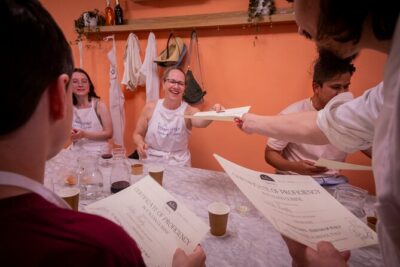
The most appealing part of this Florence cooking class is that you do not simply watch a chef twirl pasta. You make several dishes from scratch, including egg-free pasta, gnocchi, ravioli, sauces, and bruschetta, then sit down to eat the results with wine.
I like the small maximum of 12 people, which gives you a fair chance to work at the counter and ask questions. I also like the practical recipes: fresh tomato spaghetti, Sicilian pesto with dried tomatoes, pasta alla norma with aubergines, and seasonal vegetable dishes are all ideas you can repeat at home. The main point to check is the vegan setup, since the class description and past sessions have not always matched perfectly.
In This Review
- Key points at a glance
- What makes this Florence pasta class different
- Arriving at Via Romana 41r
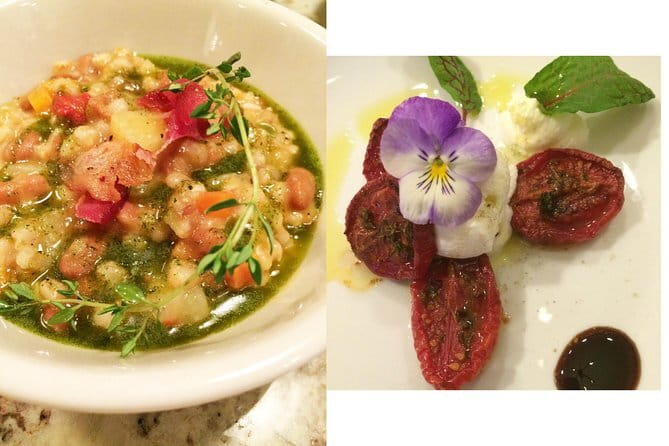
- Bruschetta, wine, and the first taste of Tuscany
- Making three vegan pasta dishes
- Gnocchi, ravioli, and the value of learning different techniques
- Sitting down to eat what you made
- The vegan question deserves careful attention
- Price, group size, and practical value
- Who should book this class
- Should you book the PURO vegan pasta class?
- FAQ
- Where does the class begin and end?
- How long does the cooking class last?
- Is the class taught in English?
- How many people can join the class?
- What food will I prepare?
- Is wine included?
- Is the class completely vegan?
- Can I join if I need gluten-free food?
- What should I wear?
Key points at a glance
- Three pasta preparations from scratch: Expect hands-on work with long pasta, filled pasta, gnocchi, or other shapes depending on the menu.
- Bruschetta and aperitivo first: The class opens with a light Italian welcome before the main cooking begins.
- Small group format: The maximum is 12 people, making this more personal than a large demonstration.
- Chefs with warm teaching styles: Giulio, Vary, Roberto, and Irene are named as instructors in past sessions.
- Wine is included: You eat your finished dishes with wine, water, and soft drinks.
- Vegan details need confirmation: Some sessions have included vegetarian dishes with eggs and cheese, while the provider says the vegan class can be fully vegan.
What makes this Florence pasta class different
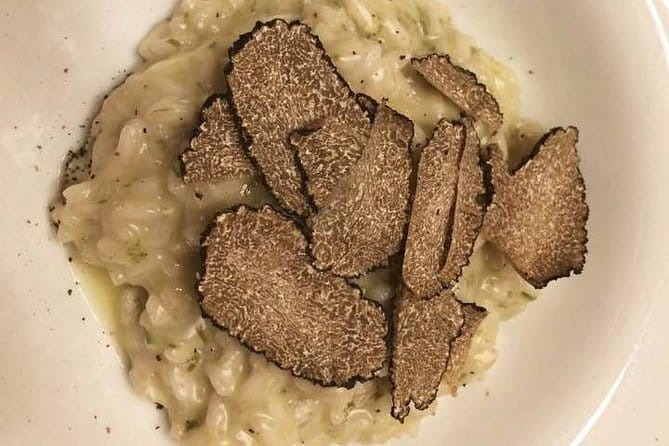
Many pasta classes in Italy revolve around eggs, butter, and cheese. This one is designed around plant-based cooking, which gives it a useful point of difference in Florence. You can learn how Italian cooks build flavor with tomatoes, aubergines, potatoes, seasonal vegetables, herbs, and olive oil instead of relying on animal products.
The menu is not fixed in the way a restaurant menu is fixed. The supplied examples include egg-free Italian pasta, potato gnocchi, buckwheat ravioli, colored pasta with vegetables, and a separate pasta made with eggs and cheese. Other suggested dishes include spaghetti with fresh tomatoes, Sicilian pesto with dried tomatoes, pasta alla norma, ravioli with pears or pumpkin, and gnocchi made with seasonal organic vegetables.
That variety matters. In about two and a half hours, you are not learning just one dough and one sauce. You are seeing how different shapes call for different handling. Long pasta teaches rolling and cutting. Gnocchi shows you how potatoes and flour form a soft dough. Ravioli adds filling, folding, and sealing.
I also like that the class treats pasta as part of a meal rather than a craft project. You begin with bruschetta and an aperitivo, cook several dishes, then eat together at the same place. It is a social evening with a useful skill attached.
More Florence options worth a look before you decide
- Vegetarian cooking class in the Florentine Hills 6 guests max
★ 5.0 · 21 reviews
Arriving at Via Romana 41r
The meeting point is Via Romana, 41r, in Florence, and the activity ends there. The location is near public transportation, so you do not need to arrange a separate ride between the class and the meal.
Plan to arrive ready for kitchen work rather than dressed for a formal dinner. Comfortable clothing and shoes are advised. Open sandals or flip-flops may not be accepted, and synthetic clothing with long sleeves is discouraged.
The practical clothing advice is easy to overlook. Flour, sauce, water, and cooking surfaces are part of the evening, so wear something you can move in and do not mind wearing around food. You should also tell the provider about dietary needs when booking, not when you sit down at the table.
The class is offered in English. The setting is built for participation, so you will need to follow spoken instructions, handle ingredients, and work alongside the chef and the rest of the group.
Bruschetta, wine, and the first taste of Tuscany
The class begins with bruschette and an aperitivo. This gives you something to eat while the chef explains the evening and sets the pace.
Bruschetta may look simple, but it is a useful introduction to the style of cooking here. Good bread, vegetables, herbs, and seasoning can carry a dish without complicated equipment. For a vegan cook, that lesson is especially useful because it shows how much flavor can come from careful preparation rather than dairy or meat.
Wine is included, along with bottled water and soda or other soft drinks. The minimum drinking age is 18. You can treat the wine as part of the meal rather than the main event, since the class involves flour, knives, hot cooking surfaces, and plenty of hands-on work.
This opening also helps the group settle in. With a maximum of 12 people, the room should feel more like a shared kitchen than a lecture hall. You may work in a small team, so expect some cooperation rather than a completely individual cooking station.
Making three vegan pasta dishes
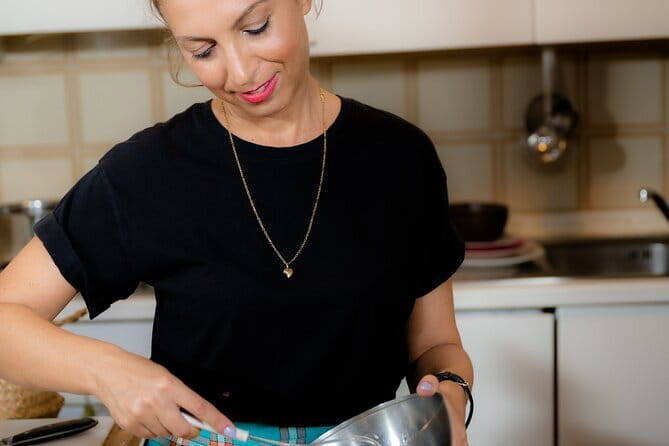
The heart of the evening is preparing three pasta dishes with the chef. The exact combination can vary, but the examples point to a broad lesson in Italian pasta.
Egg-free pasta is central. You may work with a simple flour-based dough and learn how to bring it together, roll it, shape it, and cook it. This is the kind of process that looks easy in a finished restaurant dish but depends on small details such as moisture, pressure, thickness, and timing.
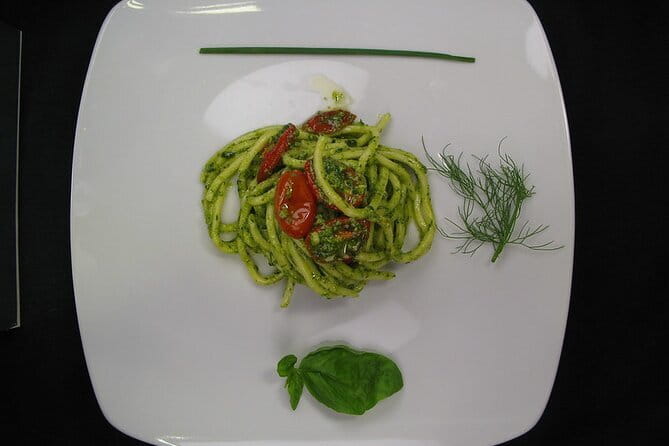
The sauces make the class more useful. Fresh tomato spaghetti teaches restraint: tomatoes, herbs, and seasoning must work together without being buried under heavy ingredients. Sicilian pesto with dried tomatoes brings a stronger, more concentrated flavor. Pasta alla norma uses aubergines, offering a plant-based version of a well-known southern Italian combination.
The class may also include colored pasta made with vegetables. This adds visual interest, but it is not just decoration. Vegetable ingredients can change the dough’s moisture, texture, and color, so you get a practical lesson in adapting a basic recipe.
Several past sessions have included long pasta, tortellini, and gnocchi. One session produced caramelized tomato spaghetti, cavatelli with turnip potatoes and black garlic, vegan gnocchi with radicchio, and pumpkin ravioli. That example is useful because it shows how much the menu can change with the chef, the season, and the group.
You should expect to help with the food rather than simply receive a small demonstration portion. The class is intended for all cooking levels, including beginners. The chefs’ teaching styles are described as clear, patient, energetic, and playful, with Giulio and Vary receiving especially strong praise for making the work feel manageable.
A different way to spend the same Florence day:
- Florence: Skip-The-Line Uffizi Gallery Timed Entry Ticket
★ 4.5 · 27,832 reviews - Tuscany Day Trip from Florence: Siena, San Gimignano, Pisa and Lunch at a Winery
★ 5.0 · 21,634 reviews - Florence: Timed Entrance Ticket to Michelangelo’s David
★ 4.6 · 16,983 reviews - Florence: Michelangelo’s David Skip-the-Line Entry Ticket
★ 4.5 · 12,764 reviews
Gnocchi, ravioli, and the value of learning different techniques
Gnocchi gives the class a welcome change from flour and rolling. Potato gnocchi depends on a soft dough and a light touch. Too much handling can make it heavy, so this is one place where the chef’s guidance has real value.
The suggested menu also includes gnocchi with seasonal organic vegetables. That connects the recipe to Tuscan cooking, where a few good ingredients often do more work than a long list of additions.
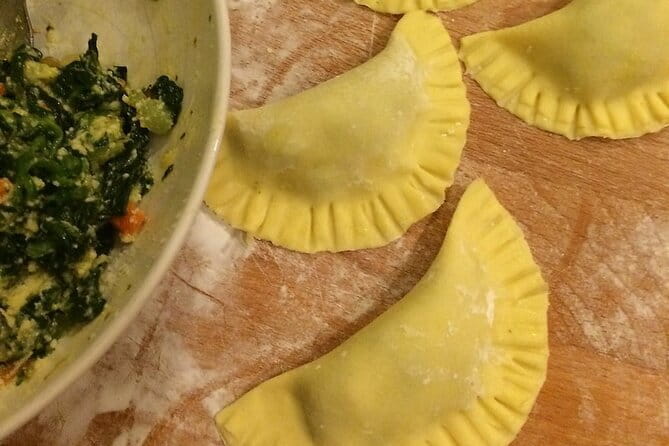
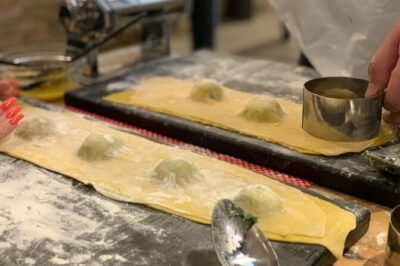
Ravioli adds another skill. You may use wholemeal flour, buckwheat pasta, and a filling such as pear or pumpkin. Filled pasta asks for care: too much filling can make sealing difficult, while too little can leave the finished piece flat and dull.
These techniques are valuable because they transfer to your own kitchen. The ingredients are described as simple and easy to reproduce at home, and recipes are included. You are not leaving with a theatrical trick that requires specialist equipment. You are learning methods that can fit a normal home kitchen.
The class may produce more than three pasta forms, depending on the session. That sounds generous, but it can also make the evening feel busy. If you want a slow, highly detailed lesson focused on one shape, this may not be the right format. If you want variety and a full meal, the range is a strength.
Sitting down to eat what you made
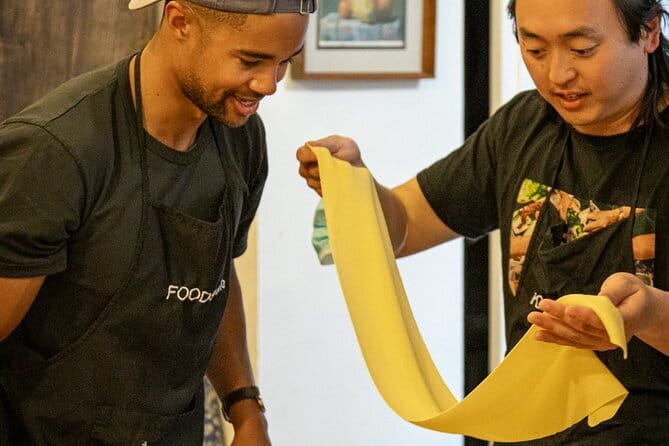
Once the cooking is done, you eat the pasta together with wine or another drink. This is an important part of the experience. Fresh pasta has a different appeal when you have handled the dough, shaped the pieces, and watched the sauces come together.
The meal is described as filling, and the menu can include three pasta dishes plus bruschetta and possibly extra preparations. You should not expect a standard restaurant service with separate courses arriving from a kitchen. The food is the result of the group’s work, served in a shared and relaxed setting.
I like this family-style finish because it gives you time to talk with the chef and the other people in the room. Past sessions have been described as relaxed, funny, and social, with people sharing stories over the meal. Roberto and Giulio are noted for keeping the mood easy while still giving useful cooking instruction. Irene is also praised for adapting the cooking for a vegan participant and offering Florence suggestions connected to food and other interests.
The social side is part of the value. You are paying for instruction, ingredients, food, drinks, and a Florence evening in one package. The meal is not an afterthought. It is the reward for the work.
The vegan question deserves careful attention
Here is the point I would not skip. The experience is marketed as a vegan and vegetarian pasta class, but the information supplied for different sessions is mixed.
Some classes combined vegan and vegetarian participants. In those sessions, two of the three main dishes were vegan and one contained eggs and cheese. One sample menu explicitly lists pasta with eggs and cheese. A participant also reported being uncomfortable seeing animal products used, while other people said the chef prepared extra vegan dishes and kept their food separate.
At the same time, the provider states that the vegan class is entirely vegan and free from contamination. That is reassuring, but the conflicting descriptions mean you should confirm the exact format in writing before paying, especially if you avoid animal products for ethical, allergy, or cross-contamination reasons.
If you are vegetarian, the class appears easier to fit into. If you are vegan but comfortable sharing a kitchen with vegetarian cooking, a combined class may work well. If you need a strictly vegan environment, ask for the fully vegan arrangement or a private class. The supplied information says gluten-free participation is not allowed in the regular class, though a private class may be possible by request.
This is not a small technical point. A cooking class is different from ordering a vegan meal at a restaurant because you are handling ingredients yourself. Clear communication before booking protects your evening.
Price, group size, and practical value
The listed price is $186.74 per person for about two hours and 30 minutes. That is a serious spend for a cooking class, so I would judge it as a complete experience rather than as a simple lesson.
The price includes the cooking class, personal chef, recipes, wine, bottled water, soda or other soft drinks, local taxes, and the meal described in the program. You are also getting several pasta techniques and a social evening in Florence. For someone who values food, this can be better value than paying separately for a meal and a short demonstration.
The maximum group size is 12. That is small enough to keep the class personal, though the actual amount of individual attention can depend on how many people attend and how the kitchen is arranged. A private class may be worth considering if you need strict dietary control or want the chef to adapt every dish to your preferences.
The experience is often reserved around 24 days ahead. That suggests you should not leave it until the final day of a short Florence stay if the date matters to you. Confirmation is normally sent at booking, but reservations made within 12 hours of the start time are confirmed as soon as possible and depend on availability.
The cancellation policy is strict: the experience is non-refundable and cannot be changed for any reason. The exception is a cancellation by the provider because the minimum number of participants is not reached. In that case, you are offered another date or experience, or a full refund.
Who should book this class
I would recommend it most strongly to:
- Vegan and vegetarian visitors who want to learn more than one pasta technique
- Couples looking for a hands-on evening rather than another restaurant meal
- Families with participants aged 16 or older
- Beginners who want clear instructions and recipes to take home
- Food-focused visitors who enjoy eating in a relaxed, shared setting
- Omnivores traveling with a vegan partner, provided the menu is confirmed first
The minimum age is 16. The drinking age is 18, but wine is not the only included beverage.
I would hesitate if you need gluten-free food, dislike group cooking, want a quiet formal meal, or cannot accept any animal products in the kitchen. I would also think twice if you are looking for a low-cost activity. The price makes the most sense when you value the instruction, the ingredients, the meal, and the chance to meet people in one evening.
Should you book the PURO vegan pasta class?
Yes, if you want a lively, practical Florence food experience and you are happy to learn several dishes in one sitting. The strongest reasons to book are the small group size, the range of pasta techniques, the included wine and meal, and the approachable teaching associated with chefs such as Giulio, Vary, Roberto, and Irene.
Before booking, send a clear message about vegan requirements. Ask whether your date is a fully vegan class, a combined vegan and vegetarian class, or a private session. Also confirm the gluten-free restriction if it affects you.
For the right participant, this is more useful than a passive cooking demonstration. You leave with recipes, new ways to use vegetables and pasta dough, and a meal you helped create. Just make sure the dietary arrangements match your needs before committing to the non-refundable booking.
FAQ
Where does the class begin and end?
The class begins at Via Romana, 41r, 50125 Firenze FI, Italy. It ends back at the same meeting point.
How long does the cooking class last?
The experience lasts approximately two hours and 30 minutes.
Is the class taught in English?
Yes. The activity is offered in English.
How many people can join the class?
The maximum is 12 participants per booking and 12 people in the activity.
What food will I prepare?
The class focuses on three pasta dishes and one bruschetta. Possible preparations include egg-free pasta, potato gnocchi, buckwheat ravioli, colored pasta with vegetables, fresh tomato spaghetti, Sicilian pesto with dried tomatoes, pasta alla norma, and seasonal vegetable dishes. The exact menu may vary.
Is wine included?
Yes. Wine, bottled water, soda or other soft drinks are included. The minimum drinking age is 18.
Is the class completely vegan?
The provider states that a dedicated vegan class is entirely vegan and free from contamination. However, some sessions have combined vegan and vegetarian cooking, including a vegetarian dish with eggs and cheese. Confirm the exact arrangement for your date before booking.
Can I join if I need gluten-free food?
The regular class does not allow gluten-free participation. A private class may be available by request, so ask the provider before booking.
What should I wear?
Wear comfortable clothing and shoes suitable for kitchen work. Open sandals and flip-flops may not be allowed, and synthetic long-sleeved clothing is discouraged.
More Workshops in Florence
- Florence: Pasta Cooking Class with Unlimited Wine
★ 4.9 · 10,285 reviews - Florence Pizza or Pasta Class with Gelato Making at a Tuscan Farm
★ 5.0 · 6,801 reviews - Florence: Pasta & Tiramisu Cooking Class with Unlimited Wine
★ 4.9 · 6,708 reviews - Florence: Pasta Cooking Class with Unlimited Wine
★ 5.0 · 6,413 reviews
Latest additions around Florence
- Florence: Cathedral Tour & Brunelleschi’s Dome Climb Ticket★ 5.0 · 3 reviews
- Palatina Gallery and Pitti Guided Tour in Florence★ 5.0 · 3 reviews
- Florence Uffizi Gallery Skip-the-line Tour w Art Historian Guide★ 5.0 · 3 reviews
- Private Tour: Pisa and Lucca from Florence★ 5.0 · 3 reviews
- San Gimignano Bike Tour (SOFT)★ 4.5 · 3 reviews
- Florence: Tour of Florence by rickshaw★ 5.0 · 3 reviews
- Center of Florence by golf cart★ 5.0 · 3 reviews
- From Firenze | Chianti day tour in a classic car★ 5.0 · 3 reviews
Workshops, compared.
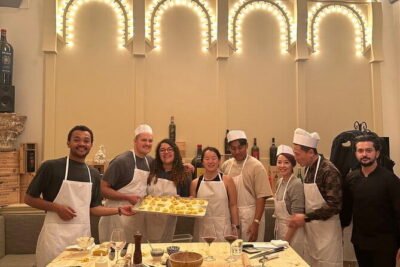
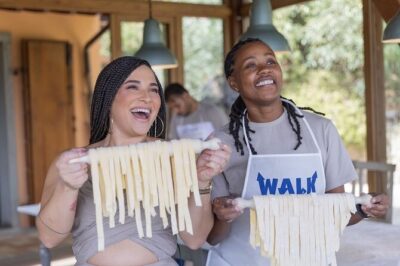
Florence Pizza or Pasta Class with Gelato Making at a Tuscan Farm
Read our review →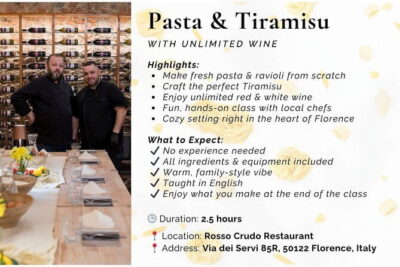
Pasta & Tiramisu Cooking Class with Unlimited Wine
Read our review →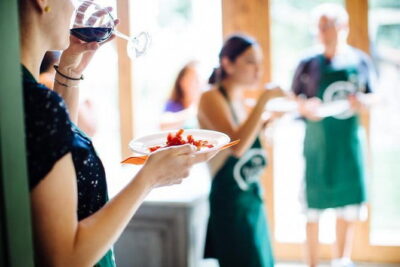
Cooking Class and Lunch at a Tuscan Farmhouse with Local Market Tour from Florence
Read our review →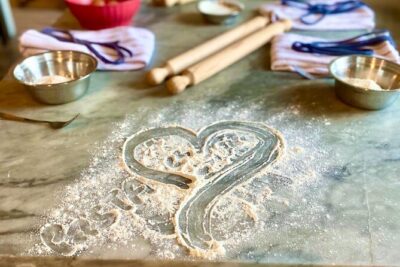
Cooking Class Pasta & Tiramisu Making Unlimited Wine
Read our review →