
Reviewed · PITTI PALACE & BOBOLI GARDENS
Pitti Palace, Palatina Gallery and the Medici: Arts and Power in Florence.
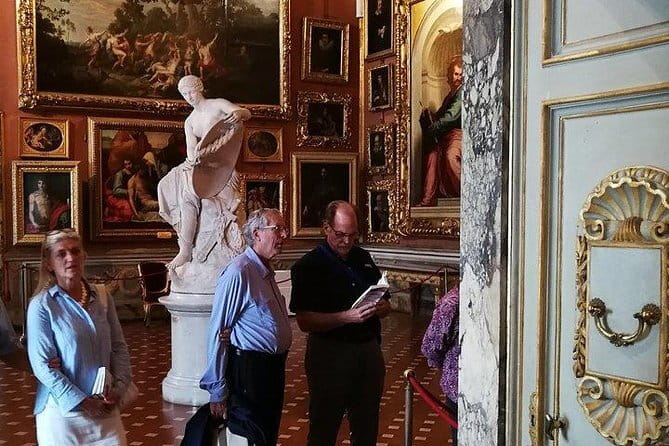
The best reason to book this tour is the Palatine Gallery’s astonishing concentration of art. Paintings by Raphael, Caravaggio, Rubens, Titian, and other major names hang across rooms designed for show, not tidy museum order. A good guide helps you find the important works before the palace turns into a blur of gilded frames.
I especially like the small group limit of 14 and the timed entry ticket. Guides such as Camilla, an art restoration specialist, have been praised for explaining technique as well as story. I also like that you finish inside the gallery, so you can keep looking after the formal tour ends.
The main caution is the title. This is much more an art tour than a detailed portrait of the Medici family, and it does not include the Boboli Gardens. At $82.27 per person, the price makes sense if you want guided insight into paintings, but it may feel high if you prefer to walk through a museum at your own speed.
In This Review
- Key points at a glance
- Why the Palatine Gallery deserves your time
- Meeting Pitti Palace in Piazza de’ Pitti
- Timed entry and the first palace rooms
- Raphael, Caravaggio, Rubens, and the art on the walls
- The Medici story, and what the tour does not cover
- Views toward Santo Spirito and Boboli
- How much value do you get for $82.27?
- Who will enjoy this Pitti Palace visit?
- Practical advice before you book
- Should you book the Palatine Gallery tour?
- FAQ
- Where does the tour begin?
- Where does the tour end?
- How long does the experience last?
- Is admission to Pitti Palace included?
- Does the ticket include the Boboli Gardens?
- What language is the tour offered in?
- How large is the group?
- Are children allowed to join?
- What identification do I need?
Key points at a glance
- See major works in a crowded but fascinating gallery: Raphael, Caravaggio, Rubens, Titian, and others appear among hundreds of paintings.
- Enter with a timed ticket: The admission ticket to Pitti Palace and the Palatine Gallery is included.
- Keep the group manageable: The maximum is 14 people, with earsets supplied when four or more participants attend.
- Hear art explained by specialists: Guides including Camilla have brought restoration knowledge and close attention to technique.
- Enjoy views beyond the paintings: Palace windows look toward Santo Spirito Basilica and the Boboli Gardens.
- Plan the gardens separately: This experience covers the palace and Palatine Gallery, not garden admission.
Why the Palatine Gallery deserves your time
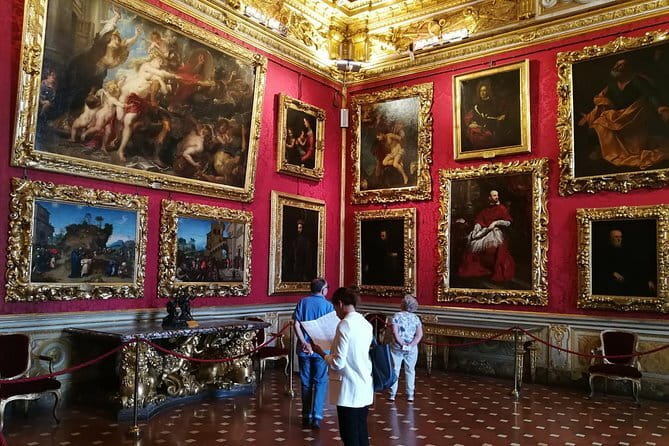
Florence has no shortage of famous museums. The Uffizi gets much of the attention, but the Palatine Gallery offers a different kind of visit. Instead of moving through a carefully ordered timeline, you pass through lavish palace rooms where paintings cover the walls in dense groups.
That arrangement can be confusing on your own. A Raphael may hang near a Rubens, while a Caravaggio appears in a room filled with decorative details. The display reflects the taste and status of the Medici court more than a modern lesson in art history.
That is where the guide matters. You are not simply told the name of each painting. The tour focuses on selected works, explaining what to look for in the colors, composition, technique, and subject. An effective guide gives you a way to sort the important from the merely plentiful.
The tour lasts about two hours, with roughly 90 minutes in the Palatine Gallery. That is long enough to develop a sense of the collection without asking you to absorb every painting in the palace. You will still see only part of what is here, but you should leave with a clearer idea of why the gallery matters.
More Pitti and Boboli afternoons:
- Florence: Uffizi, Pitti Palace & Boboli Combined 5-Day Pass
★ 4.5 · 1,726 reviews - Florence: Pitti Palace and Boboli Gardens Ticket & eBook
★ 4.5 · 835 reviews - Florence: Pitti Palace, Boboli Garden, Palatine Gallery Tour
★ 4.9 · 558 reviews
Meeting Pitti Palace in Piazza de’ Pitti
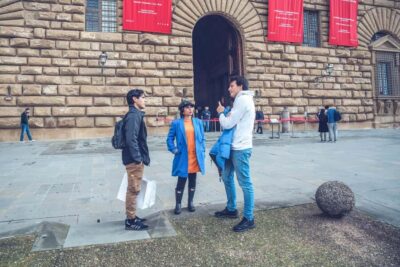
The experience begins at Palazzo Pitti, Piazza de’ Pitti 1. Allow a little time to find the exact meeting point and have the full names of everyone in your booking ready. Each person must show a passport or identity document matching the name supplied at booking.
The first stop is the piazza outside the palace, with about 10 minutes devoted to the setting. This short introduction helps place the building in Florence’s urban story before you go inside. The exterior is grand in scale, but the strongest visual rewards are indoors.
Your guide then gives an overview of Palazzo Pitti, described as the largest palace ever built in Florence. The palace became the home of the powerful Medici family in the 16th century and remained connected with them until their fall from power in the 18th century.
This opening section is useful because the palace is not just a container for paintings. Its size, decoration, and position tell you something about court life and public power. The Medici did not collect art only for private pleasure. Art helped make their authority visible.
Still, keep your expectations in check. The palace rooms do not recreate Medici life with a full set of original furnishings. You will see some furniture and plenty of decoration, but the focus is the art collection and the building itself.
Timed entry and the first palace rooms
The included timed entry ticket lets the group go through the main entrance without arranging ordinary admission on arrival. That saves time and removes one of the small uncertainties that can make a museum visit tiring.
The ticket covers Pitti Palace and the Palatine Gallery. The listed palace admission is €19, but your $82.27 payment also covers the guide and the small-group format. The value depends on how much you want explanation. If you are already comfortable identifying Renaissance and Baroque art, independent entry may cost less and give you more freedom. If the gallery feels overwhelming, the added guidance can justify the difference.
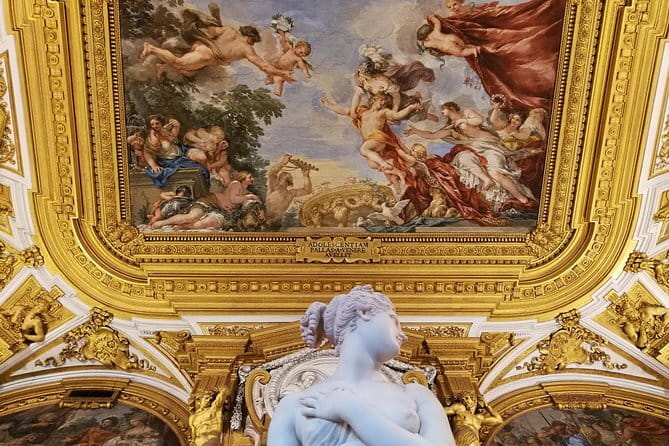
Once inside, the tour moves through the opulent rooms of the Palatine Gallery. The rooms are arranged for aesthetic effect rather than in chronological order. That creates a lavish, almost theatrical experience, but it also means you should not expect a straight march from early Renaissance painting to later Baroque work.
You will spend about 15 minutes on the palace itself before the longer gallery portion. This balance suits visitors who want context without a long architectural lecture. The guide gives you enough background to understand the building, then turns attention to the paintings.
Raphael, Caravaggio, Rubens, and the art on the walls
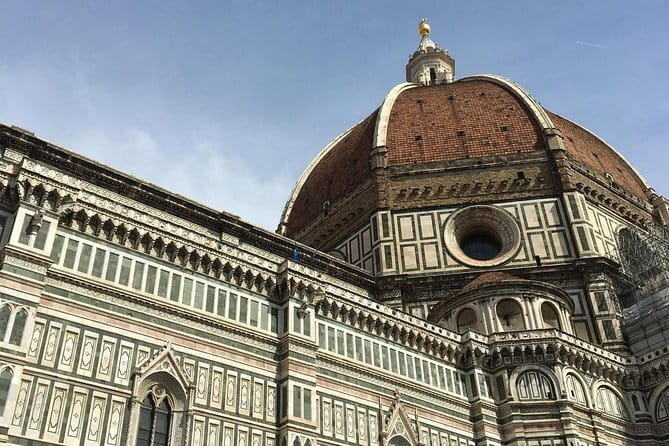
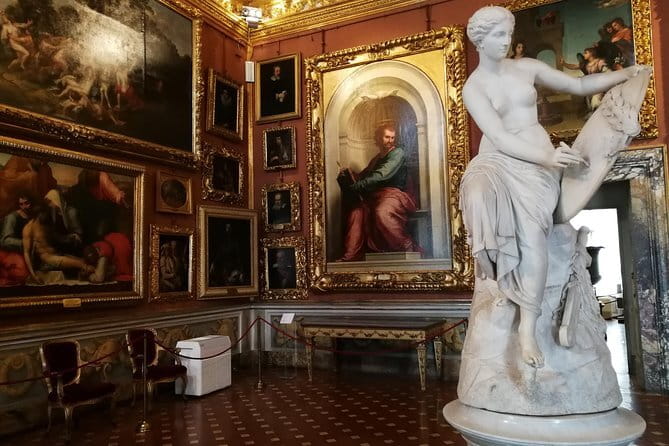
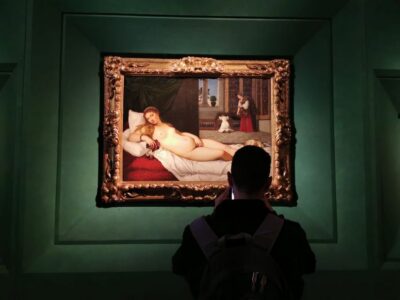
The collection is the heart of the visit. You can expect discussion of works by Raphael, Caravaggio, Titian, Pietro da Cortona, and Rubens, along with Botticelli, Tintoretto, and other important artists.
The sheer number of paintings is both the gallery’s strength and its problem. Hundreds of works fill the former apartments, and you cannot give equal attention to all of them in 90 minutes. A strong guide chooses highlights and explains why they deserve your time.
Camilla has been singled out for her background as an art restorer. That kind of training can add a useful layer to the visit. Instead of treating a painting as a flat image, she can point out the artist’s handling of color, surface, and technique. Her approach has also been described as warm, clear, and open to questions.
Other guides, including Cristiano and Sarah, have received praise for bringing the paintings and palace setting together. The important point for you is not a guarantee that you will receive a particular guide, but the experience you should seek from the format: ask questions, name a work that catches your eye, and use the guide’s attention to go beyond the standard highlights.
One particularly good feature is the chance to ask about a painting that interests you. The gallery can feel like visual overload, so a personal question gives the tour a more individual shape. With a maximum of 14 participants, there is a better chance of being heard than on a large museum walk.
When four or more people attend, earsets are supplied. That matters in echoing palace rooms, where it can be hard to catch every word while standing several feet away from the guide. You can look at a painting and listen without crowding around one person.
More Medici trails:
- The Best tour in Florence: Renaissance & Medici Tales – guided by a STORYTELLER
★ 5.0 · 12,316 reviews - The Best Tour in Florence: Renaissance and Medici Tales
★ 5.0 · 10,810 reviews - Florence: Renaissance and Medici Tales Guided Walking Tour
★ 4.8 · 1,549 reviews - Florence: Mysteries of the Medici Guided Walking Tour
★ 4.4 · 940 reviews
The Medici story, and what the tour does not cover
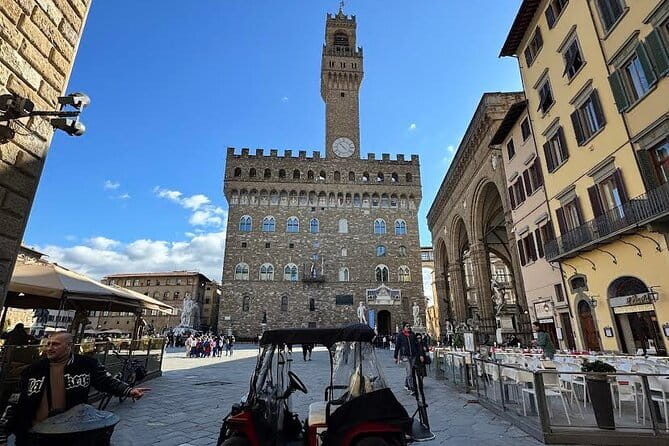
The Medici connection is central, but it needs to be understood correctly. This tour explains how the family took over Pitti Palace, how they used art and rooms to project status, and how their hold on power ended in the 18th century.
It is not a full Medici biography. You should not expect a room-by-room account of family members, marriages, rivalries, and political conflicts. The human story appears mainly as a frame for the palace and collection.
That distinction is important because the title may lead you to expect equal time for arts and family history. In practice, the paintings receive most of the attention. If your main goal is to understand the Medici dynasty in detail, you may want to pair this tour with another Florence experience focused directly on the family.
If you want to understand how art served a ruling court, the balance works well. You see how a palace filled with prestigious paintings could function as a statement of wealth and taste. The Medici story is present, but the brushwork and visual choices remain the main subject.
Views toward Santo Spirito and Boboli
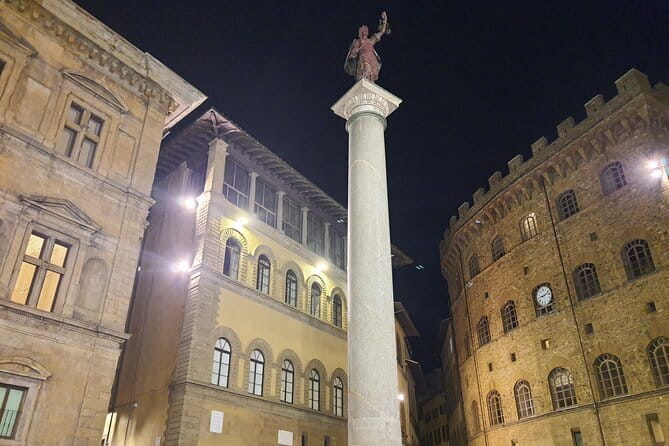
The gallery is not only about what hangs on the walls. From the windows, you can look toward Brunelleschi’s Santo Spirito Basilica and the Boboli Gardens.
These views offer a welcome pause after the dense rooms. They also help you connect the palace to the wider Oltrarno district, the side of Florence across the Arno. The basilica view links the palace visit to the city’s major Renaissance architecture, while the gardens show how the court setting extended beyond the building.
Do not confuse seeing the Boboli Gardens from the palace with entering them. Garden admission is not included in this experience. If the gardens are on your Florence list, you need to arrange that separately, and you should allow extra time after the tour rather than assuming the same ticket covers both.
The tour ends back at the meeting point, inside the gallery. That is a practical advantage. You can continue looking at rooms and paintings on your own if your attention is still fresh, rather than being led straight out.
How much value do you get for $82.27?
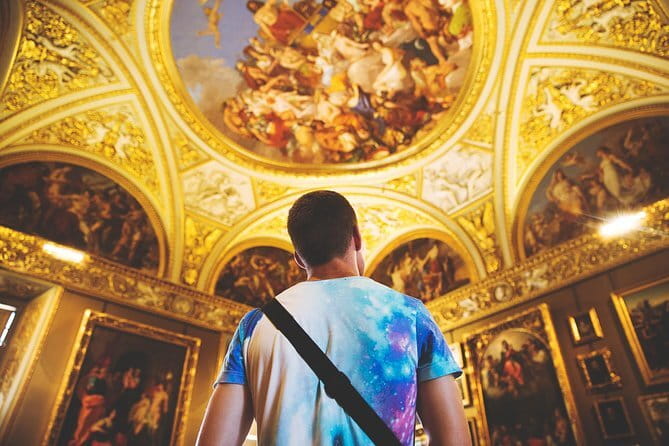
At $82.27 per person, this is not a budget museum visit. The included €19 palace admission accounts for only part of the cost, with the rest paying for the licensed English-speaking guide, timed access, and small-group service.
I would judge the price by your museum habits. If you tend to walk quickly past paintings because labels leave you cold, the guide can make the collection far more rewarding. The comments from past participants repeatedly praise guides for explaining artistic details, answering questions, and making the palace easier to understand.
If you prefer to read at your own pace, skip guided commentary, or spend a long time with a handful of paintings, you may find the tour too expensive. One criticism was that too much time went into fine details of individual works. That is a fair warning for anyone who wants a broad, fast overview.
The tour is also a good fit if you have limited time in Florence. Two hours gives you a firm structure, and timed admission means you do not need to build the whole visit around the ticket office. The small group keeps the format more personal than a large standard walk.
The experience is recommended by 92 percent of participants and has a 4.7 rating from 223 reviews. Those numbers suggest a strong level of satisfaction, but they do not erase the basic issue: the tour’s value rises or falls with your interest in guided art discussion.
Who will enjoy this Pitti Palace visit?

I would choose this tour for someone who wants a serious introduction to the Palatine Gallery without studying a museum guide beforehand. It suits art lovers, first-time visitors to Pitti Palace, and anyone who wants help spotting the major works in a visually crowded setting.
It also suits visitors who enjoy connecting art with patronage and court life. You will hear how the Medici shaped the palace and assembled its collection, even if you will not receive a complete family saga.
Families can participate, but children must be accompanied by an adult and the minimum age is six. A two-hour museum visit can work well for an older child who already enjoys paintings, though the amount of art commentary may be demanding for a very young child.
I would be more cautious if your main goal is the Boboli Gardens, original palace furnishings, or a detailed account of Medici personalities. Those interests are only partly served here. You may prefer to book the gallery tour and arrange the gardens as a separate stop.
The tour is offered in English. It requires at least one traveler to make the experience run, and the maximum group size is 14. Free cancellation is available up to 24 hours before the start time. After that point, the payment is not refunded and changes are not accepted.
Practical advice before you book
Enter every participant’s full name exactly as it appears on the person’s identification document. The booking voucher must show all names, and a mismatch can result in denied entry.
Bring the same valid passport or ID document used for the booking. This is not a minor formality. The palace requires the names and identification to match for successful entry.
The meeting point is near public transportation at Palazzo Pitti, Piazza de’ Pitti 1. Hotel pickup and drop-off are not included, so plan your own way to the palace. Food and drinks are also not included, though the tour ends in the gallery and leaves you free to continue exploring.
I would schedule this experience when you still have energy for looking closely. The gallery contains so much art that a rushed or tired visit may turn into a long corridor of frames. Afterward, you can decide if you want to keep exploring the palace or make a separate plan for the gardens.
Should you book the Palatine Gallery tour?
Book it if you want expert guidance through an overwhelming collection and care more about paintings than a complete Medici family narrative. The timed ticket, small group, earsets, and English-speaking guide make the visit easier to follow, while the chance to ask about specific works adds personal value.
Skip it if you want the lowest possible admission cost, dislike detailed art commentary, or mainly want the Boboli Gardens. In that case, the $82.27 price may not feel justified.
For the right audience, this is one of Florence’s better ways to approach Pitti Palace. You get the palace setting, a focused look at major artists, and enough Medici context to understand why the collection exists. Just book it for the art and court setting, not as a complete Medici history lesson.
FAQ
Where does the tour begin?
The tour begins at Palazzo Pitti, Piazza de’ Pitti 1, 50125 Florence, Italy.
Where does the tour end?
The activity ends back at the meeting point, inside the gallery. You are free to continue exploring afterward if you wish.
How long does the experience last?
The tour lasts approximately two hours. The Palatine Gallery portion takes about 90 minutes, with additional time for the piazza and palace introduction.
Is admission to Pitti Palace included?
Yes. The experience includes a timed entry ticket for Pitti Palace and the Palatine Gallery. The listed Palazzo Pitti admission is €19.
Does the ticket include the Boboli Gardens?
No. The Boboli Gardens are not included in this tour. You can see them from some palace windows, but separate admission is required to enter the gardens.
What language is the tour offered in?
The tour is offered in English and includes an experienced, licensed English-speaking guide.
How large is the group?
The maximum group size is 14 participants. Earsets are provided when there are four or more participants.
Are children allowed to join?
Yes. Children must be accompanied by an adult, and the minimum age is six.
What identification do I need?
Each participant must present a valid passport or ID document matching the full name provided at booking. The voucher must also list the full names of all participants before entry.
More Museums Worth an Hour
- Florence: Skip-The-Line Uffizi Gallery Timed Entry Ticket
★ 4.5 · 27,832 reviews - Florence: Leonardo Interactive Museum Entry Ticket
★ 4.5 · 11,763 reviews - Florence Accademia Gallery Tour with Entrance Ticket Included
★ 4.5 · 6,148 reviews - Uffizi Gallery Small Group Tour with Guide
★ 4.5 · 4,923 reviews
Latest additions around Florence
- Florence: Cathedral Tour & Brunelleschi’s Dome Climb Ticket★ 5.0 · 3 reviews
- Palatina Gallery and Pitti Guided Tour in Florence★ 5.0 · 3 reviews
- Private Tour: Pisa and Lucca from Florence★ 5.0 · 3 reviews
- San Gimignano Bike Tour (SOFT)★ 4.5 · 3 reviews
- Florence Uffizi Gallery Skip-the-line Tour w Art Historian Guide★ 5.0 · 3 reviews
- Florence: Tour of Florence by rickshaw★ 5.0 · 3 reviews
- Center of Florence by golf cart★ 5.0 · 3 reviews
- From Firenze | Chianti day tour in a classic car★ 5.0 · 3 reviews
Pitti Palace & Boboli Gardens, compared.
Uffizi, Pitti Palace & Boboli Combined 5-Day Pass
Read our review →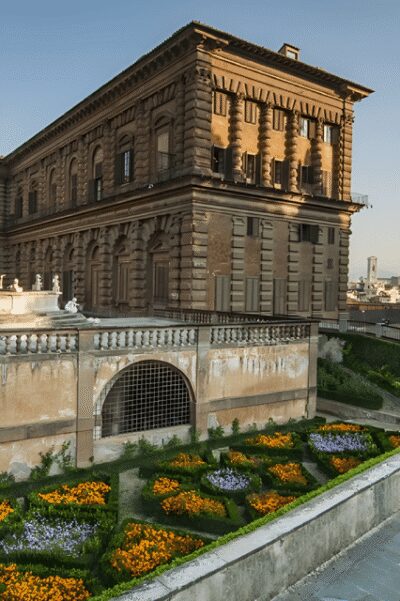

Pitti Palace, Boboli Garden, Palatine Gallery Tour
Read our review →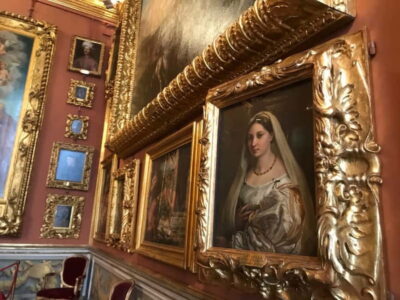
Uffizi, Pitti, Boboli and 7 Attractions 5-Day Pass
Read our review →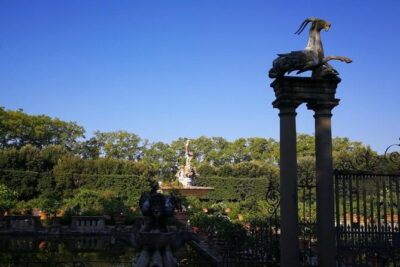
Pitti Palace, Boboli Garden & Palatina Gallery Guided Tour
Read our review →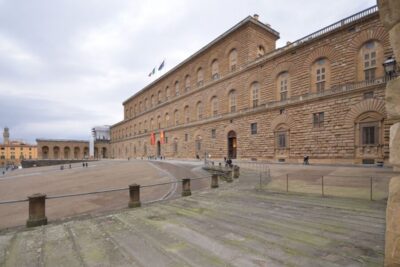
Pitti Palace and Palatina Gallery Ticket and Tour
Read our review →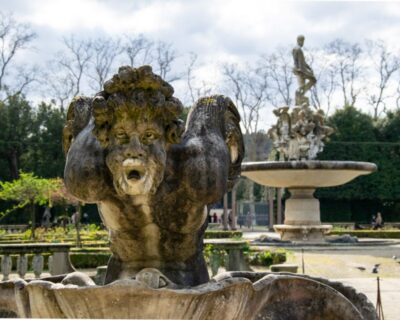
Browse the lists this tour appears in