
Reviewed · TUSCAN COOKING CLASSES
Tuscan Pasta Masterclass Small-Group Cooking Experience
The best part of this Florence class is that you do not simply watch a chef roll pasta. You work at your own station, knead dough, shape several types of pasta, prepare sauces, and then sit down to eat what you made. The menu is chosen with the chef, so the class has room to adjust to the group.
I like the small maximum of 12 people and the modern kitchen, which keep the class hands-on rather than turning it into a cooking demonstration. I also like the food focus: pici from Siena, Florentine gnudi, potato ravioli, pappardelle, and other dishes give you a useful taste of regional Tuscan cooking.
The main consideration is dietary. This class does not accept gluten-free, egg-free, cheese-free, or lactose-free requests, and nobody under 16 may attend. The price is also substantial at $156.20 per person, though lunch, wine, instruction, and several hours of practical cooking are included.
In This Review
- Key things to know before booking
- A hands-on start in a Florence kitchen
- What you actually make during the 2.5-hour class
- The class is practical, not just a demonstration
- Sitting down to eat what you made
- Why the small group matters
- Price, timing, and practical value
- Important food restrictions and age rules
- Who will get the most from this class
- Should you book the Tuscan Pasta Masterclass?
- FAQ
- Where does the cooking class begin?
- Where does the experience end?
- How long does the class last?
- How many people can attend?
- Is the class taught in English?
- What food and drinks are included?
- Can someone under 16 attend?
- Can the class accommodate gluten-free, egg-free, cheese-free, or lactose-free diets?
Key things to know before booking
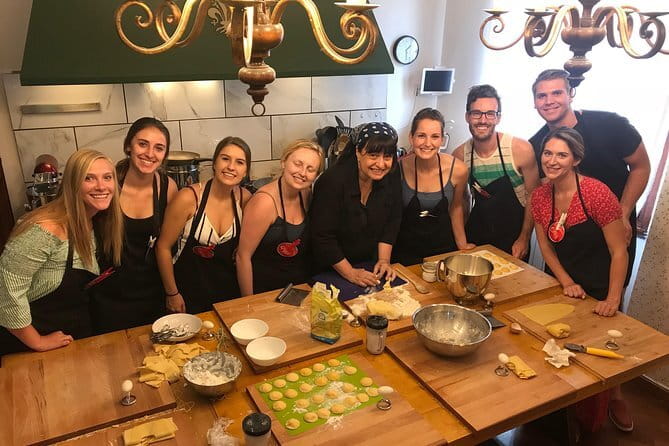
- You cook at your own workstation: Kneading, rolling, cutting, filling, and shaping are part of the class.
- The menu is decided with the chef: Possible dishes include pici, ravioli, pappardelle, gnudi, stuffed pasta, and Tuscan bruschette.
- Chef Vary brings food expertise: She has a PhD in the evolution of food, and other classes may be led by chefs including Roberto or Julio.
- The class ends with a proper meal: You eat your pasta while seated, with bottled water and included wine.
- The group is limited to 12 people: That is small enough for individual participation, though the class may still feel lively.
- Strict age and dietary rules apply: It is for people aged 16 and older, and it cannot accommodate several common dietary restrictions.
A hands-on start in a Florence kitchen
The class begins at Via Romana 41r in Florence, within easy reach of public transportation and a short walk from St Trinity Bridge. Confirmation arrives when you book, and the activity ends where it starts, so you do not need to arrange a second meeting point after lunch.
Once you enter the professional kitchen, the chef discusses the menu with the group. This matters because you are not locked into one single pasta recipe every time. The choices may include several classic Tuscan preparations, with the final plan shaped around the class.
The kitchen uses modern equipment and special tools designed to make pasta work easier. You might use a gnocchi board, a chitarra for cutting pasta, or other tools that are less common in a home kitchen. These are not just decorations for the room. They help you understand how shape, texture, and thickness affect the finished dish.
The chef speaks English, and instruction covers the full process. You learn how to clean and cut ingredients, knead dough, roll it, shape it, cook it, and combine it with sauce. Expect flour, onions, hands-on work, and a fair amount of laughter. The class has a practical feel rather than a formal culinary-school atmosphere.
More cooking classes in Florence:
- Florence: Pasta Cooking Class with Unlimited Wine
★ 4.9 · 10,285 reviews - Florence Pizza or Pasta Class with Gelato Making at a Tuscan Farm
★ 5.0 · 6,801 reviews - Florence: Pasta & Tiramisu Cooking Class with Unlimited Wine
★ 4.9 · 6,708 reviews
What you actually make during the 2.5-hour class
The exact menu can change, but the range of dishes is unusually broad. Pici is one of the most distinctive options. These thick, hand-rolled strands come from Siena and look more rustic than standard spaghetti. Making them gives you a clear lesson in how a simple dough becomes a substantial pasta with a chewy bite.
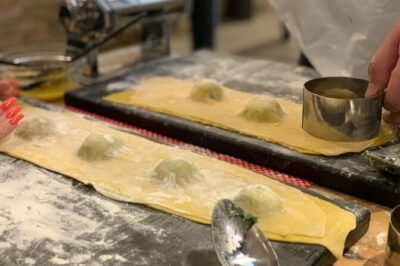
Ravioli with potato filling offers a different skill. You work with a filling, seal the pasta, and learn how much pressure is needed to keep the parcels closed without forcing out the filling. The sauce may use butter and cheese, mushrooms, or meat, depending on the menu selected.
Pappardelle brings another texture and shape. These wide ribbons can be served with tomatoes, local pesto, meat sauce, garlic and cheese, or pancetta and leek. The choice of sauce changes the whole character of the dish, which makes this part useful for home cooks who want to understand combinations rather than memorize one recipe.
You may also prepare Tuscan bruschette, a simple but important part of the meal. Bruschetta shows how much good Italian cooking depends on a few ingredients handled well. The class theme is simplicity and taste, not complicated restaurant tricks.
Gnudi are a particularly interesting possibility. The name means naked, because these are Florentine ricotta and spinach dumplings without a pasta wrapper. They resemble gnocchi but contain no potato, so they give you a look at a dish that many first-time visitors to Tuscany have never tried.
The menu can also include spinach and ricotta crepes, chickpea tagliatelle, and even cocoa ravioli based on an old recipe. That last option is a reminder that Italian pasta traditions are broader and stranger than the familiar tomato-and-spaghetti combination.
The class is practical, not just a demonstration
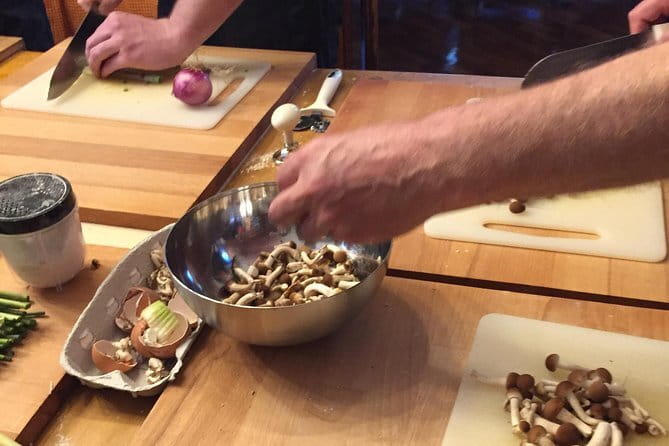
For me, the most important question with any cooking class is how much work you do yourself. Here, each person has a workstation, and the format is designed for direct participation.
You may mix and knead one of several doughs, including semolina, spinach egg pasta, or charcoal egg pasta. You then roll the dough and make shapes such as cavatelli, linguine, or ravioli. At the same time, the group chops sauce ingredients, prepares fillings, and works on the dishes that will be served later.
The chef handles some of the sauce cooking, but you still help mix and blend. That is a sensible arrangement in a short class. Sauces often need careful timing, while pasta shaping gives you more useful practice than standing over a pan for twenty minutes.
The class also explains some of the food science behind the process. You learn why dough behaves as it does, how ingredients affect texture, and why certain shapes suit particular sauces. This is especially useful if you already make pasta at home and want to improve rather than start from zero.
Chef Vary is described as direct and frank, with a strong sense of humor. That style can be entertaining and efficient, but it may not suit someone who wants a very gentle or polished presentation. Other sessions have been led by Roberto or Julio, both of whom are described as kind, helpful, and engaging. Since the chef can vary, you should expect the teaching style to have some personality from one class to another.
Sitting down to eat what you made
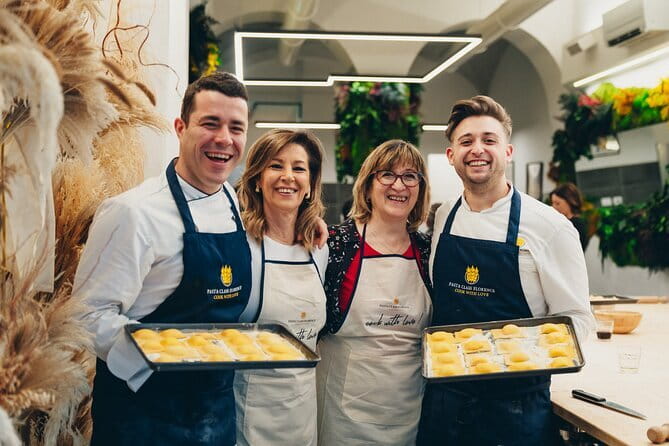
After the kitchen work, you sit down for lunch and eat the dishes prepared during the class. This final meal is more than a reward. It lets you compare the pasta shapes, fillings, and sauces while the techniques are still fresh in your mind.
Two glasses of wine are included for each guest, or one bottle for every four people. Bottled water is also provided. Extra wine can be purchased at a discount from the associated wine store.
The meal creates a relaxed second half to the class. You are no longer rushing to shape dough or keep track of ingredients. You can talk with the chef and the rest of the group, compare the food, and think about which recipes you want to try at home.
One practical note: the included wine is described as red wine. If you prefer white wine with pasta, do not assume it will be available as part of the standard service. Extra wine may be available for purchase, but the included arrangement is the safer expectation.
More Florence options worth a look before you decide
- Florence: Pasta Cooking Class with Unlimited Wine
★ 5.0 · 6,413 reviews - Pastamania – Florence Pasta Making Class
★ 5.0 · 3,050 reviews - Florence: Cooking Class Pasta & Tiramisu Making Unlimited Wine
★ 5.0 · 2,234 reviews - Florence: Pasta & Tiramisu Cooking Class with Unlimited Wine
★ 4.8 · 828 reviews
Why the small group matters
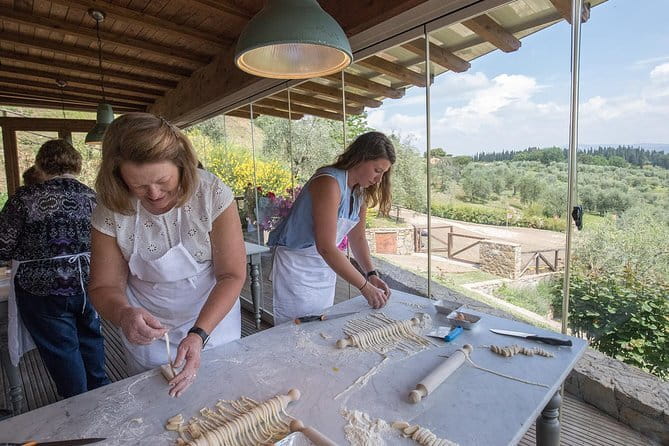
The class allows a maximum of 12 people. That is not a private lesson, but it is small enough that you should have room to work and a chance to ask questions.
A small class also makes it easier to keep everyone moving through the same stages. When one person is rolling dough, others can chop sauce ingredients or prepare fillings, so the session does not become a long wait for your turn.
The social side is part of the appeal. You cook alongside couples, families with older children, and solo participants, then share the finished meal. If you are looking for a quiet, private dinner, this is not the right format. If you enjoy meeting people around a shared table, the group setting adds value.
The class is also suitable for different skill levels. A beginner can learn the basic motions with guidance, while an intermediate home cook can focus on shaping tools, dough texture, and sauce technique. People who have made pasta before may get the most from the unusual regional recipes and the explanation of why each method works.
Price, timing, and practical value
At $156.20 per person, this is not a budget lunch. You are paying for about two and a half hours of instruction, kitchen access, ingredients, a meal, bottled water, and wine. The value depends on whether you want a meal only or a practical activity that continues to be useful after your trip.
If you simply want to eat excellent pasta, Florence has cheaper choices. If you want to make several types of pasta, learn from an English-speaking chef, use professional equipment, and finish with a sit-down meal, the price is easier to justify.
The class is often booked around 73 days ahead, so last-minute availability may be limited. This is worth considering when planning a Florence visit, especially if the cooking class is important to your schedule.
The full activity lasts approximately 2 hours and 30 minutes. That is long enough to feel substantial without taking up an entire day. You can fit it into a Florence itinerary more easily than a full-day countryside cooking course, but you should still allow extra time for getting to Via Romana and arriving ready to begin.
The experience is non-refundable and cannot be changed after booking. If the minimum number of participants is not reached and the provider cancels, you receive the option of another date or experience, or a full refund. For your own planning, book only when your Florence schedule is firm.
Important food restrictions and age rules
This is not a suitable class for every diet. The supplied restrictions state that the class does not accept gluten-free, egg-free, cheese-free, or lactose-free requirements. The information also emphasizes that eggs and cheese are part of the cooking experience.
One description notes that the chef may work with the group when preferences and restrictions are present, but you should not treat that as a guarantee for medically necessary exclusions. The clearest advice is to contact the provider before booking if you have any dietary concern.
No one under 16 is allowed. That rules out families with younger children, even though the hands-on format might otherwise appeal to them.
The class is offered in English. You do not need to be an experienced cook, but you should be comfortable following spoken instruction, working with your hands, and participating in a group kitchen.
Who will get the most from this class
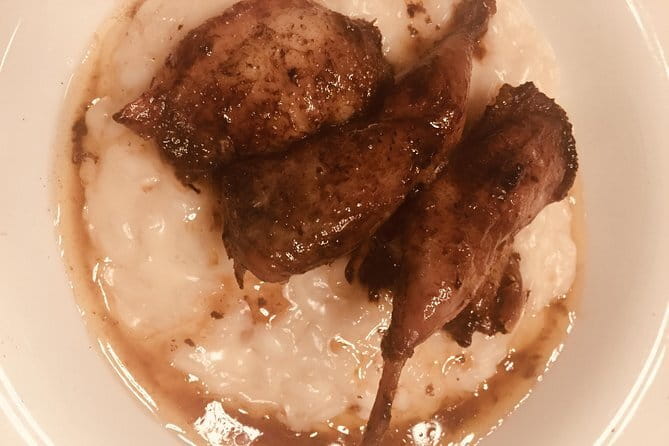
I would choose this experience if you want a break from museum visits and churches, and you like the idea of learning something you can repeat at home. It works particularly well for couples, friends, and families with older teenagers who enjoy cooking together.
It is also a strong choice for pasta fans who already know basic techniques. Learning to make pici, gnudi, ravioli, or cocoa pasta gives you more than another standard tagliatelle lesson. The use of a chitarra and gnocchi board adds practical detail that you may not get in a basic pasta workshop.
You may want to skip it if you dislike group activities, need a fully private lesson, have strict dietary restrictions, or prefer a quiet meal with no kitchen work. The chefs bring humor and personality, and one instructor is described as blunt, so this suits people who appreciate direct teaching more than formal ceremony.
Should you book the Tuscan Pasta Masterclass?
Book it if you want to work with dough, make several regional dishes, and eat a proper lunch with wine at the end. The strongest reasons are the personal workstation, small group limit, broad menu, and genuine focus on Tuscan pasta rather than a single basic recipe.
Think carefully before paying if you cannot eat gluten, eggs, cheese, or lactose, or if your Florence plans may change. For everyone else, the combination of instruction, food, and social time makes the $156.20 price reasonable for a special half-day activity. I would reserve well ahead, arrive ready to participate, and expect flour on your hands before lunch.
FAQ
Where does the cooking class begin?
The class begins at Via Romana, 41r, 50125 Florence, Italy.
Where does the experience end?
The activity ends back at the meeting point on Via Romana.
How long does the class last?
The cooking experience lasts approximately 2 hours and 30 minutes.
How many people can attend?
The class has a maximum of 12 participants.
Is the class taught in English?
Yes. The experience is offered in English, and the chef speaks English.
What food and drinks are included?
The class includes a hands-on lunch, bottled water, and wine. Each guest receives two glasses, or the group receives one bottle for every four people.
Can someone under 16 attend?
No. Participants must be at least 16 years old.
Can the class accommodate gluten-free, egg-free, cheese-free, or lactose-free diets?
No. The stated restrictions exclude gluten-free, egg-free, cheese-free, and lactose-free requirements.
Latest additions around Florence
- Palatina Gallery and Pitti Guided Tour in Florence★ 5.0 · 3 reviews
- Florence: Cathedral Tour & Brunelleschi’s Dome Climb Ticket★ 5.0 · 3 reviews
- Florence Uffizi Gallery Skip-the-line Tour w Art Historian Guide★ 5.0 · 3 reviews
- Private Tour: Pisa and Lucca from Florence★ 5.0 · 3 reviews
- San Gimignano Bike Tour (SOFT)★ 4.5 · 3 reviews
- Florence: Tour of Florence by rickshaw★ 5.0 · 3 reviews
- Center of Florence by golf cart★ 5.0 · 3 reviews
- From Firenze | Chianti day tour in a classic car★ 5.0 · 3 reviews
Tuscan Cooking Classes, compared.
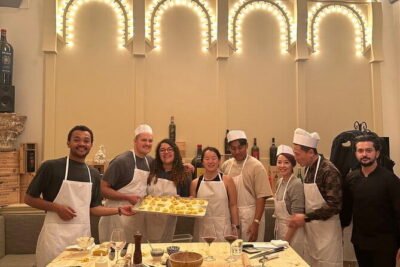
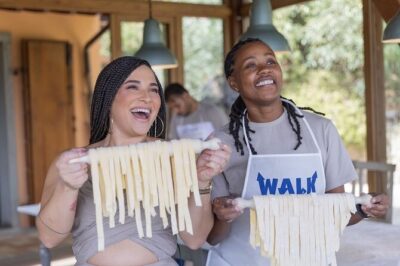
Florence Pizza or Pasta Class with Gelato Making at a Tuscan Farm
Read our review →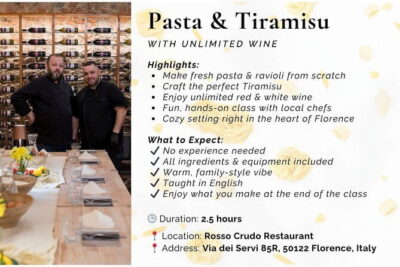
Pasta & Tiramisu Cooking Class with Unlimited Wine
Read our review →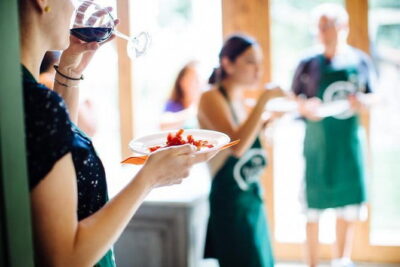
Cooking Class and Lunch at a Tuscan Farmhouse with Local Market Tour from Florence
Read our review →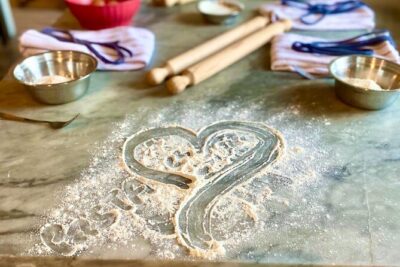
Cooking Class Pasta & Tiramisu Making Unlimited Wine
Read our review →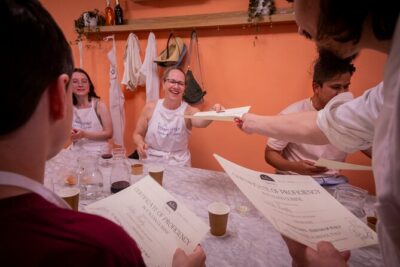
Florence Cooking Class The Art of Making Gelato & Authentic Pizza
Read our review →Browse the lists this tour appears in