Reviewed · TOURS
Leather and Passion: A Tour of Florentine Craftsmanship
Florence’s craft tradition comes alive in small workshops, where leather, ceramics, paint, and precious metals are handled by people who know their materials well. This tour pairs those working studios with a modern art gallery, so you see both Florence’s old skills and its newer artistic voice in one walk.
I like the family-owned workshops and the chance to see techniques rather than simply shop for finished goods. I also like the guide-led pace, with local tips on food and ice cream from guides such as Vanessa and Enrico. The main drawback is that the exact studios can change with artisan availability, so you cannot count on one particular workshop or artist.
In This Review
- Key points about Florence’s craft walk
- Why Florentine craftsmanship is worth your time
- The modern art gallery starts the artistic story
- Meeting a painter in a working studio
- The leather workshop is the tour’s strongest draw
- Ceramics add color and a different kind of skill
- A goldsmith’s studio brings precision to the route
- The two-hour and four-hour routes are quite different
- Guides Vanessa and Enrico shape the experience
- Gelato is a simple but well-judged ending
- What the $77 price really buys you
- Who should book this Florence craft tour
- Should you book Leather and Passion?
- FAQ
- How much does the tour cost?
- How long does the experience last?
- How many workshops are included?
- Which types of artisans might I visit?
- Is modern art included?
- What is included in the price?
- What languages are available?
- Where does the tour meet?
- What should I wear?
Key points about Florence’s craft walk
- Two route lengths: Choose two hours with two to three workshops, or four hours with four to six.
- Leather is a major highlight: See artisans make bags, jackets, and accessories by hand.
- Art beyond shopping: The route includes a modern art gallery with works by Fontana and De Chirico.
- Several craft traditions: Depending on the day, you may visit painters, ceramicists, and jewelers.
- A useful finish: Artisanal gelato is included, along with a guide speaking English or Italian.
- Comfort matters: This is a walking tour, so wear sneakers.
Why Florentine craftsmanship is worth your time
Florence is famous for its museums and Renaissance masterpieces, but its artistic life did not end centuries ago. Craftspeople still work with leather, clay, paint, gold, and other metals. This tour gives you a look at that living tradition in places where the work is made, not only displayed behind glass.
That distinction matters. In a shop window, a leather bag is a product. In a workshop, you can better understand the labor behind the cut, stitch, finish, and shape. The tour is not just a shopping stop, either. Its mix of a modern art gallery and working studios gives you a broader view of Florentine creativity.
At $77 per person, the price is reasonable if you want a guided introduction to several kinds of art and craft in a short visit. You are paying for a tour leader, access to a changing set of studios, and gelato. It is less compelling if your only goal is to buy leather, since you could browse shops on your own for free. The value comes from the explanation, the introductions, and the variety.
Other Florence outings people weigh against this one:
- Florence: Skip-The-Line Uffizi Gallery Timed Entry Ticket
★ 4.5 · 27,832 reviews - Tuscany Day Trip from Florence: Siena, San Gimignano, Pisa and Lunch at a Winery
★ 5.0 · 21,634 reviews - Florence: Timed Entrance Ticket to Michelangelo’s David
★ 4.6 · 16,983 reviews
The modern art gallery starts the artistic story
The route begins at a gallery devoted to modern and contemporary art. Works by artists such as Lucio Fontana and Giorgio de Chirico provide a useful counterpoint to the traditional workshops later in the walk.
This opening helps you see Florence as more than a city of old churches and Renaissance paintings. Modern Italian artists used new forms, unusual spaces, and dreamlike images to ask different questions about art. The gallery gives the tour a wider frame before you move into the hands-on world of local craft.
The exact gallery is not specified, so you should treat this as a planned art stop rather than a promise of one named museum. If you have a strong interest in modern art, ask your guide what is on view that day. The experience may be brief, especially on the two-hour route, but it adds welcome variety.
I also like the order of the itinerary. You first look at finished art in a gallery, then see how creative work develops in studios. That movement from viewing to making gives the walk a clear purpose.
Meeting a painter in a working studio
A painting studio brings the tour closer to the individual artist. You may see brushes, colors, and works in progress, with the guide explaining how the studio fits into Florence’s art scene.
This stop is valuable because unfinished work often tells you more than a polished display. You can see the choices, revisions, and physical process behind a painting. The information provided does not identify a particular painter or guarantee a demonstration, so expect a visit and discussion rather than a formal class.
For people who already plan to visit the Uffizi Gallery or Accademia, the studio adds a different point of view. Those museums focus on important historical works. Here, the focus is on a person working now. That contrast makes the tour a good choice for anyone curious about how Florence’s artistic identity continues in the present.
The painter’s studio may be one of several stops, especially on the shorter option. If painting is your priority, the four-hour route gives you a better chance of seeing it along with the other crafts.
The leather workshop is the tour’s strongest draw
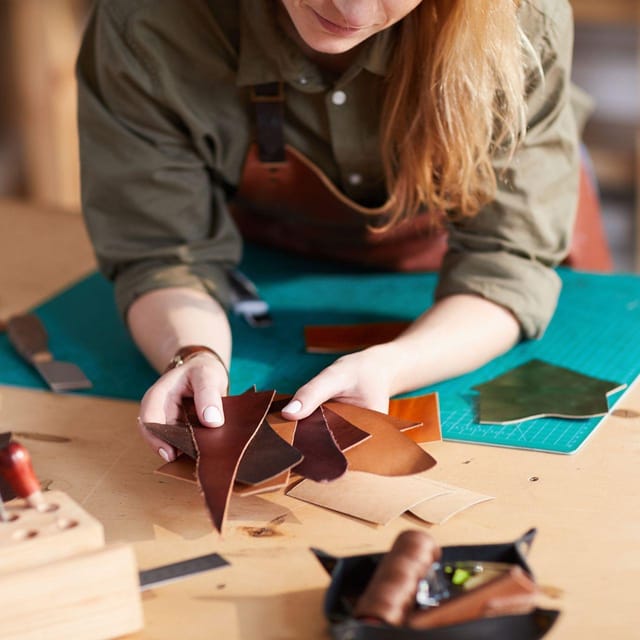
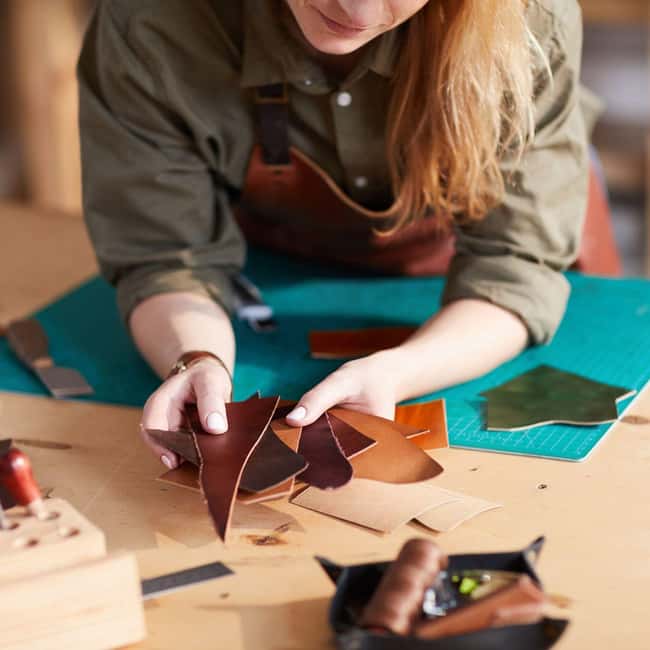
Leather is the clearest signature of this experience. At a traditional leather workshop, you can see artisans turn hides into bags, jackets, and accessories. The work represents one of Florence’s best-known craft traditions, but the important point is seeing the process rather than hearing a sales pitch in a shop.
The leather stop received the strongest specific praise in the supplied comments, and that makes sense. Leather goods are everywhere in Florence, yet it can be hard to tell careful work from tourist-market merchandise. A workshop visit gives you context for the material and the skill involved.
You should still keep your expectations practical. The information does not promise a full lesson, a chance to make your own item, or a set amount of time with one artisan. It is also not described as a shopping tour. You may see finished pieces for sale, but the central purpose is learning about craftsmanship.
I would place this tour high on the list for anyone considering a leather purchase in Florence. Even if you buy nothing, seeing the work can help you judge quality more thoughtfully afterward. Look closely, listen to the guide, and ask questions about how the item was made.
A different way to spend the same Florence day:
- Florence: Michelangelo’s David Skip-the-Line Entry Ticket
★ 4.5 · 12,764 reviews - The Best tour in Florence: Renaissance & Medici Tales – guided by a STORYTELLER
★ 5.0 · 12,316 reviews - Florence: Leonardo Interactive Museum Entry Ticket
★ 4.5 · 11,763 reviews - The Best Tour in Florence: Renaissance and Medici Tales
★ 5.0 · 10,810 reviews
Ceramics add color and a different kind of skill
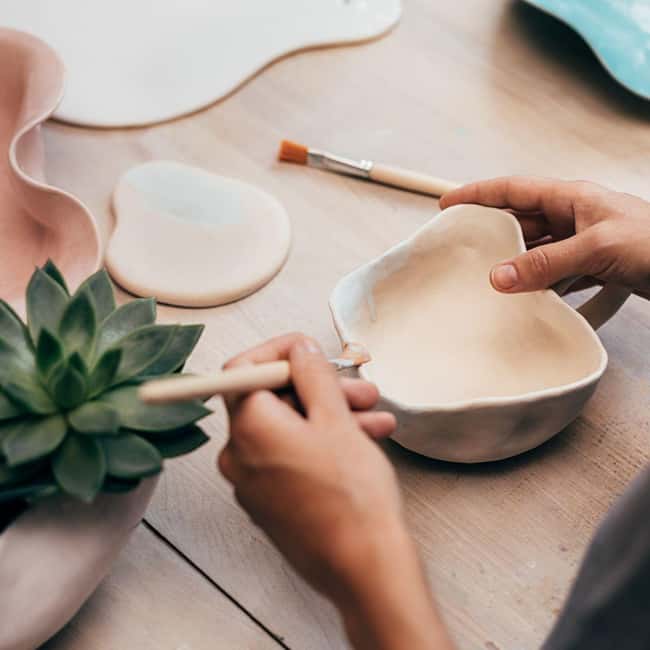
The ceramics workshop changes the mood. Leather is tactile and practical, while ceramics bring color, shape, and the transformation of clay through heat. The route presents traditional methods alongside newer ideas, showing how an old craft can continue without becoming frozen in the past.
The listing does not give the name of the ceramicist or describe a specific kiln process. You might see pieces in various stages, hear about the techniques, and learn how the workshop connects older Florentine skills with present-day design.
This stop is especially useful if you enjoy objects made for daily life. A ceramic bowl or decorative piece carries a different relationship to the home than a museum painting does. The tour helps you notice the decisions behind form and finish.
On the four-hour tour, ceramics can be part of a wider sequence of four to six workshops. On the two-hour version, you may see only two or three studios total, so the ceramic stop is not guaranteed. The changing schedule is a small weakness, but it also keeps the route tied to real working artisans rather than a fixed theatrical display.
A goldsmith’s studio brings precision to the route
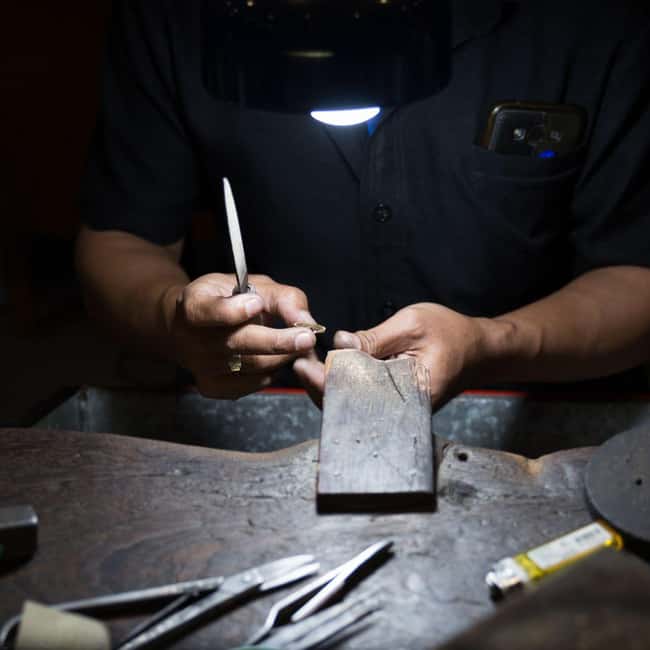
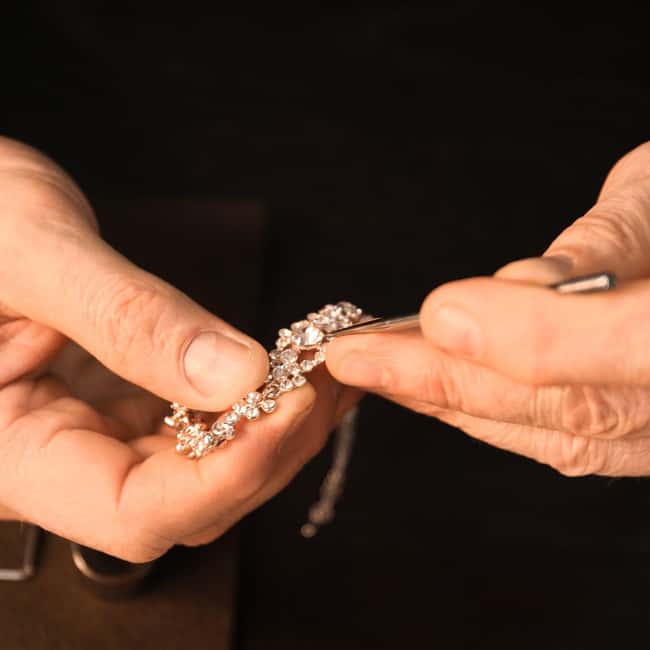
The goldsmith workshop offers the most refined stop on the itinerary. Here, gold and precious metals become jewelry, carrying on a Florentine tradition across generations.
Jewelry making calls for a different kind of attention than leather or ceramics. Small details matter, and the materials demand precision. Even a short visit can help you understand why handmade jewelry costs more than a mass-produced piece.
The experience does not specify which metals or jewelry techniques you will see, and no particular goldsmith is guaranteed. Think of this as an introduction to the trade, not a specialist workshop for jewelers. If you are shopping for jewelry, the guide may help you understand the difference between a handmade piece and a generic souvenir, but the available information does not promise buying advice.
I like that the itinerary includes both useful crafts and luxury crafts. The leatherworker, ceramicist, and painter show different sides of everyday creative work, while the goldsmith adds a sense of fine detail and tradition.
The two-hour and four-hour routes are quite different

The two-hour option includes two to three workshops. It suits a tight schedule, a first afternoon in Florence, or anyone who wants a focused introduction without giving up most of the day.
Because the studios vary, the shorter route requires flexibility. You might see the leatherworker and one other artisan, or encounter a different combination. Ask your guide at the meeting point what is planned that day so you can set realistic expectations.
The four-hour tour includes four to six workshops and gives you a fuller picture of Florentine craft. It is the better choice if you want a reasonable chance of seeing leather, painting, ceramics, and jewelry in one outing. It also gives the guide more time to explain how the trades differ.
Four hours on foot can feel long, especially after a morning of museums. Wear sneakers, and plan your other sightseeing around the tour rather than squeezing it between several major attractions. The route is not presented as accessible transport-based sightseeing, so you should think of it as an active city walk.
Guides Vanessa and Enrico shape the experience
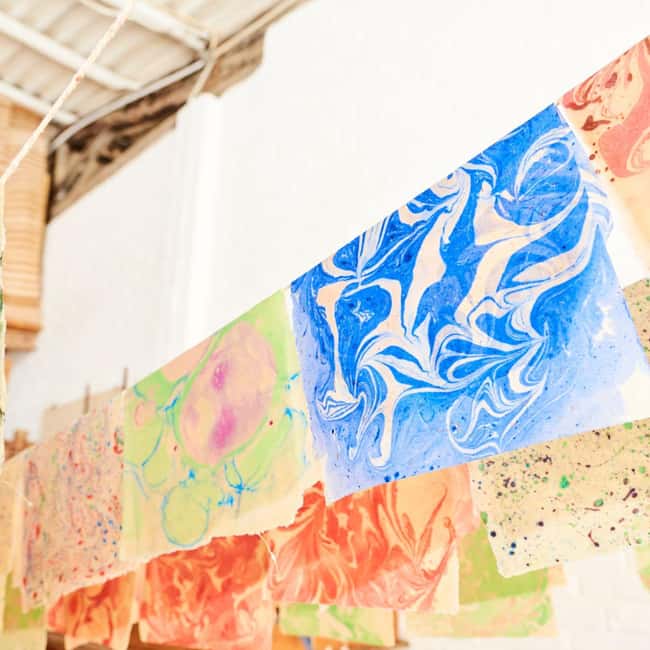
A guide matters here because the workshops need context. Without explanation, you may look at a leather tool or a ceramic piece and miss what makes it special. The guide connects the object to the neighborhood, the material, and the person making it.
Vanessa is described as warm and informative, with useful advice about food and ice cream in Florence. Enrico has also led the tour, taking time to explain the area and help a solo participant understand how to find the way back later. Those details suggest a personal style rather than a large, anonymous group presentation.
The official information lists English and Italian as the tour languages. If you want the most out of a craft visit, choose the language in which you can ask detailed questions comfortably.
No group size is given, so do not assume a private tour or a tiny group. One solo participant had a one-to-one experience with Enrico, but that does not establish the usual group size. If a personal guide relationship is important to you, confirm the arrangement before booking.
Gelato is a simple but well-judged ending
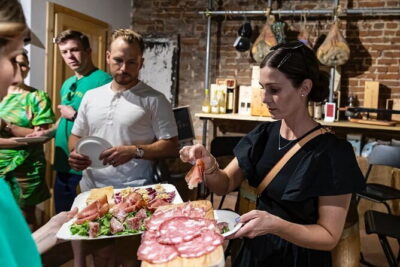
The tour includes artisanal gelato. It is a small detail, but it fits the route well. After several studios and a fair amount of walking, a cold treat gives the experience a pleasant finish.
The gelato should not be the reason to book. Its real value is that the break closes the tour without adding another charge. Guides may also share suggestions for good food and ice cream, which can help you plan the rest of your time in Florence.
The precise gelateria is not named, and the details do not promise a tasting of several flavors. Expect one included gelato stop rather than a food tour.
What the $77 price really buys you
At $77, this is not the cheapest way to see Florence’s artisan shops. You can walk through shopping streets independently, and many galleries have their own admission prices. But a self-guided stroll will not necessarily get you inside active studios or help you understand the difference between crafts.
The price makes the most sense for you if:
- You want several art forms in one outing.
- You value explanations from a local guide.
- You are curious about authentic working spaces, not only major museums.
- You have limited time and prefer a planned route.
- You may shop for leather, ceramics, or jewelry and want more background first.
It makes less sense if you dislike shopping-related stops, want a fixed list of named museums, or expect a hands-on class. The itinerary is built around visits and explanations, not making an object yourself.
Free cancellation up to 24 hours before the tour and the option to reserve now and pay later make the booking less risky. Starting times vary, so check availability before building the rest of your day around it.
Who should book this Florence craft tour
This is a strong fit for first-time visitors who want a different side of Florence after seeing the major museums. It also suits repeat visitors who have already covered the headline sights and want contact with the city’s working artists and craftspeople.
Couples, solo visitors, and small groups can all find value here. Enrico’s careful orientation for a solo participant shows how useful a guide can be when you are learning the streets, though the standard group size is not provided.
Families with older children may enjoy the variety of materials and tools, but the tour is not described as a children’s program. Anyone who finds walking difficult should ask for more details before booking, since sneakers are recommended and the experience takes place on foot.
Art lovers will appreciate the gallery and painting studio. Shoppers will get the most from the leather and jewelry stops. If you simply want an easy introduction to local culture with a sweet finish, the shorter option may be enough.
Should you book Leather and Passion?
Book it if you want to see Florence through its makers. The leather workshop, family-run feel, and mix of painting, ceramics, jewelry, and modern art make this more useful than a basic shopping walk. The personal guidance from Vanessa, Enrico, or another English- or Italian-speaking leader adds the local setting that independent browsing often lacks.
Choose four hours if the craft variety is your main goal. Choose two hours if you want a compact introduction and can accept seeing only two or three workshops. Do not book it expecting a fixed list of studios, a hands-on class, or a guaranteed named artisan. The route changes with availability, but that flexibility is part of its connection to real working workshops.
FAQ
How much does the tour cost?
The tour costs $77 per person.
How long does the experience last?
You can choose a two-hour or four-hour tour, depending on availability and the starting time you select.
How many workshops are included?
The two-hour tour includes two to three workshops. The four-hour tour includes four to six workshops.
Which types of artisans might I visit?
Possible stops include a leatherworker, painter, ceramicist, and jeweler. The exact locations can change based on the day and artisan availability.
Is modern art included?
Yes. The experience begins with a gallery of modern and contemporary art, including works by artists such as Fontana and De Chirico.
What is included in the price?
A tour leader and artisanal gelato are included.
What languages are available?
The live tour guide speaks English or Italian.
Where does the tour meet?
The meeting point is the Agency Local Guides Tour.
What should I wear?
Sneakers are recommended because the experience is a walking tour.
Latest additions around Florence
- Florence: Cathedral Tour & Brunelleschi’s Dome Climb Ticket★ 5.0 · 3 reviews
- Palatina Gallery and Pitti Guided Tour in Florence★ 5.0 · 3 reviews
- Florence Uffizi Gallery Skip-the-line Tour w Art Historian Guide★ 5.0 · 3 reviews
- Private Tour: Pisa and Lucca from Florence★ 5.0 · 3 reviews
- San Gimignano Bike Tour (SOFT)★ 4.5 · 3 reviews
- Florence: Tour of Florence by rickshaw★ 5.0 · 3 reviews
- Center of Florence by golf cart★ 5.0 · 3 reviews
- From Firenze | Chianti day tour in a classic car★ 5.0 · 3 reviews
Tours, compared.

The Best tour in Florence: Renaissance & Medici Tales – guided by a STORYTELLER
Read our review →
The Best Tour in Florence: Renaissance and Medici Tales
Read our review →

Florence Accademia Gallery Tour with Entrance Ticket Included
Read our review →
SMALL-GROUP Wine Safaris: Tuscan Wine Tasting Tours from Florence
Read our review →