
Reviewed · FLORENTINE CRAFT WORKSHOPS
Fresco Painting Class in Florence
The remarkable part of this Florence class is that you do not simply study Renaissance art. You make a small fresco with wet lime plaster, powdered pigments, and a recipe linked to medieval artist Cennino Cennini. The painting becomes part of the plaster as it dries, just as wall frescoes did centuries ago.
I like the private format, since your instructor can adjust the design to your skill level. I also like the pause while your piece dries, which may include coffee and a pastry nearby with Rosanna. The main consideration is the price, $475.62 per person, which makes this a special splurge rather than a casual afternoon activity.
In This Review
- Key Points Before You Book
- Making a Fresco Instead of Just Looking at One
- What Happens During the Three-Hour Workshop
- The Instructors and the Personal Feel
- Why the Drying Break Matters
- Choosing a Design You Can Finish
- Your Finished Fresco and Getting It Home
- Price, Timing, and Practical Value
- Reaching the Studio on Via Coluccio Salutati
- Who Will Get the Most From This Class
- Accessibility and Cancellation Details
- My Take: A Worthwhile Art Splurge for Florence
- FAQ
- Where does the fresco painting class take place?
- How long does the workshop last?
- What happens if my fresco takes more than three hours?
- Is the class private?
- Is the class offered in English?
- Are painting materials included?
- Can beginners take part?
- Can I take my fresco home?
- How do I arrange the starting time?
Key Points Before You Book
- Use the same basic method as Renaissance artists: You will mix lime and sand plaster, prepare your design, and paint on a wet surface.
- Choose a simple or more ambitious subject: Beginners can create a straightforward image, while experienced painters may attempt anatomy or a face.
- Get personal instruction: This is a private class, with only your group participating.
- Meet the artists behind Geko Art Studio: Octavio Palomino is the sculptor and studio owner, while Claudia and Eleonora are among the instructors connected with the class.
- Plan for a small take-home artwork: The studio carefully packs your fresco, but shipping is not included.
- Arrange your start time after booking: The studio contacts you directly, and you should provide a valid WhatsApp number.
Making a Fresco Instead of Just Looking at One
Florence is full of paintings made to be admired from a respectful distance. This workshop changes the relationship. You handle the materials, make decisions about the image, and learn why a fresco is far more demanding than painting on a dry board or canvas.
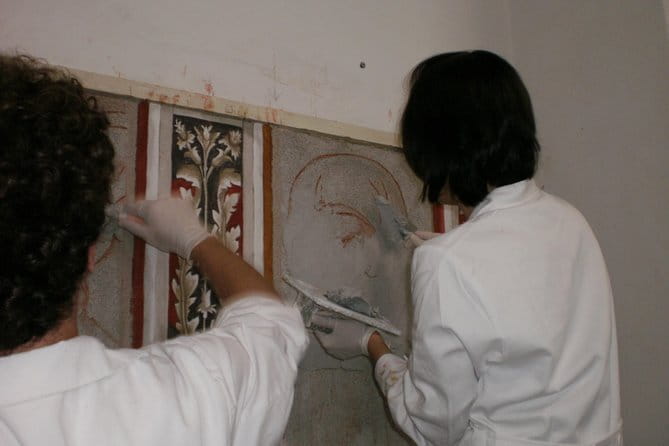
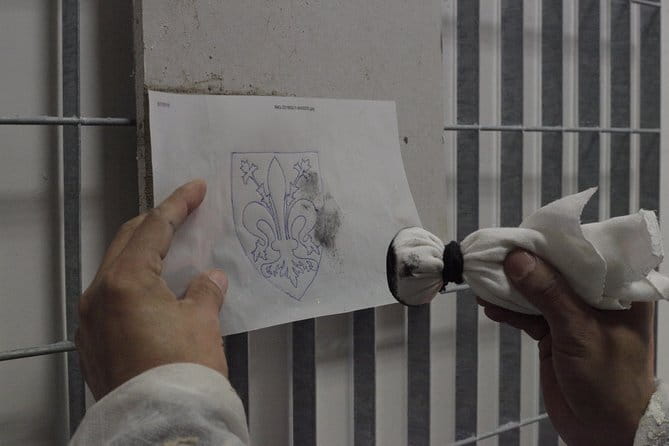
A fresco is painted onto freshly laid lime plaster. Water carries dry pigment into the wet surface, and as the plaster sets, the color becomes part of the wall. You are not merely brushing color over a finished support. You are working against the clock while the plaster remains workable.
That process explains why the class has real value for anyone who spends time in Florence’s churches, museums, and historic buildings. After three hours in the studio, you will look at old frescoes with a better sense of the labor behind them. You will notice the smooth plaster sections, the planning of the image, and the careful handling of color in a way that is difficult to understand from a museum label alone.
The class follows the medieval recipe associated with Cennino Cennini. The experience therefore connects practical work with the artistic methods of the past, without requiring you to be a professional painter.
More artisan tables in Florence:
- Florence: Perfume Masterclass and Sensory Experience
★ 4.7 · 463 reviews - Perfume Masterclass in Florence: Make your Own Personal Fragrance
★ 4.5 · 253 reviews - Handmade Tuscan Ceramics Masterclass in Montelupo
★ 5.0 · 205 reviews
What Happens During the Three-Hour Workshop
The session lasts about three hours, though the exact pace depends on your design and experience. All materials and pigments are provided, so you do not need to shop for supplies or carry art equipment across Florence.
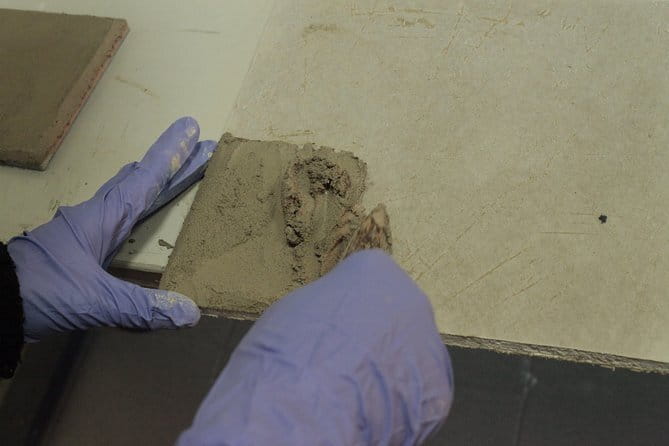
The work begins with the plaster. You learn how the lime and sand mixture is prepared, using the same general type of materials used for historic fresco work. This is one of the most useful parts of the class because it makes the technique physical. You can see and handle the base that will receive your painting.
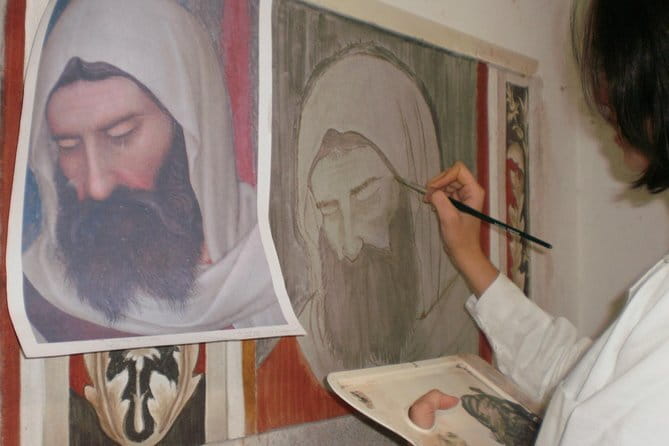
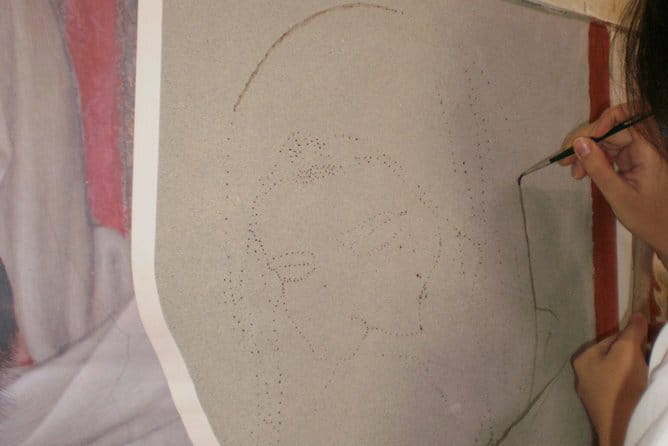
Next comes the image. The class can be shaped to your ability. If you are new to painting, a simple subject is the sensible choice. A small, clear design gives you enough time to learn the process without turning the session into a race.
If you already paint, you can attempt something more demanding. The studio can accommodate subjects with anatomical details, and a face is possible if you want a greater challenge. Keep in mind that a more involved image may take longer than three hours. Any extra time costs €40 per hour, paid directly at the studio.
That extra-hour policy matters. If you have a train, dinner booking, or museum reservation soon after class, choose a modest design. If you want a portrait or detailed figure, leave room in your schedule and confirm the plan with the studio.
The Instructors and the Personal Feel
The class is offered in English and is private, so your instruction is not diluted by a large group. That matters here. Fresco painting has several stages, and you may need help at the exact moment the plaster or pigment is ready.
Claudia is described as patient and encouraging, with a clear enthusiasm for teaching. Eleonora brings experience with fresco restoration in Italy, along with historical knowledge of the technique. Octavio Palomino, the studio owner, is a sculptor and artist. Rosanna helps run the studio and handles communication with participants.
The staff setup gives the workshop a family-studio quality rather than the feel of a large commercial art class. The experience can include time with Rosanna while your fresco dries, and past sessions have included coffee, a pastry, snacks, or drinks nearby. This break is not just a pleasant extra. It gives the plaster time to set before you return to the next stage.
You should still think of this as a working studio experience, not a formal lecture. The focus is on making. You will receive historical context, but the lesson is tied to what you are doing with your hands.
Why the Drying Break Matters
Fresco painting has a built-in pause. The plaster needs time to dry, and the workshop uses that interval for a short break. This may take place at a local coffee shop down the street, with time for a treat and conversation.
I like this feature because it keeps the class from becoming three straight hours of concentrated work. It also gives you a chance to talk with the people running the studio in a relaxed setting. In past sessions, this has included coffee and pastry with Rosanna.
The exact refreshments are not presented as a formal menu, so you should not book this expecting a full meal. Think of it as a friendly pause built around the practical needs of the painting.
When you return, you continue with guidance from the instructor. This two-part rhythm helps you understand the material. You see the surface when it is wet, then come back after the plaster has changed. That is a useful lesson in the timing that makes fresco different from other painting methods.
More Florence options worth a look before you decide
- Florence: Pasta Cooking Class with Unlimited Wine
★ 4.9 · 10,285 reviews - Florence Pizza or Pasta Class with Gelato Making at a Tuscan Farm
★ 5.0 · 6,801 reviews - Florence: Pasta & Tiramisu Cooking Class with Unlimited Wine
★ 4.9 · 6,708 reviews - Florence: Pasta Cooking Class with Unlimited Wine
★ 5.0 · 6,413 reviews
Choosing a Design You Can Finish
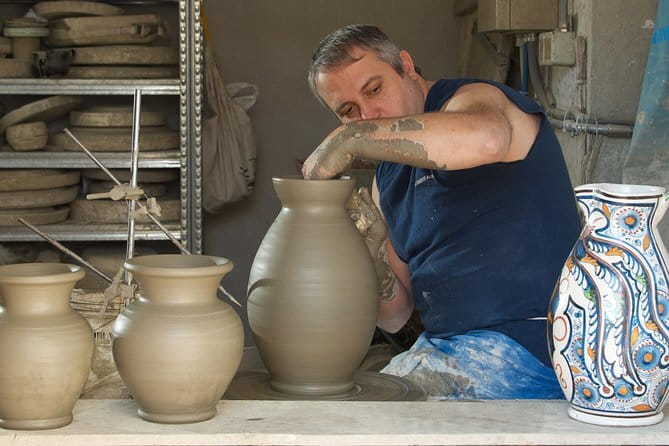
Your subject choice is one of the most important decisions. The studio can help you make a simple fresco suitable for a first attempt, or guide you toward a more complex image if you have painting experience.
For beginners, I would keep the design clean and readable. A small image with limited detail gives you time to learn how the pigment behaves and how the plaster accepts it. You will still face the central challenge of fresco, which is enough for one afternoon.
Experienced painters may want to use the private format to work on anatomy or a face. That can make the session more rewarding, but it also raises the chance of going beyond the included three hours. The additional €40 hourly charge is reasonable for extra studio time, but it changes the total cost quickly.
If the artwork matters more to you than keeping the class short, contact the studio about your idea after booking. The starting time is arranged directly with the studio, so you can discuss the subject and schedule before arriving.
Your Finished Fresco and Getting It Home
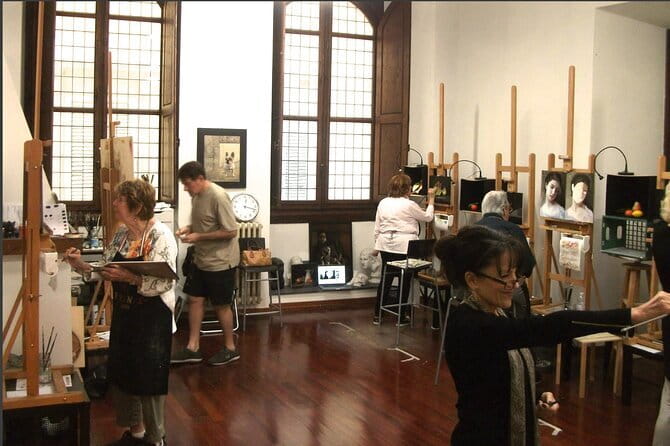
The studio carefully packs your completed fresco so you can take it home. This gives the workshop a lasting result rather than leaving you with only photographs and memories.
Shipping is not included. That is important for anyone flying home with limited luggage or continuing to another destination. Some participants have arranged to have their finished pieces mailed to the United States, but the shipping cost is separate.
Because the fresco is a plaster artwork, you should think ahead about how you will carry it safely. Ask the studio about packing and shipping options when you arrange your session. If you are traveling with the piece yourself, give it a protected place in your luggage and avoid treating it like a flat paper souvenir.
The finished work will not be a museum masterpiece, and the point is not to reproduce a major Florentine fresco in miniature. Its value is personal. You made it using a historic process, and that gives the object a stronger connection to your time in the city.
Price, Timing, and Practical Value
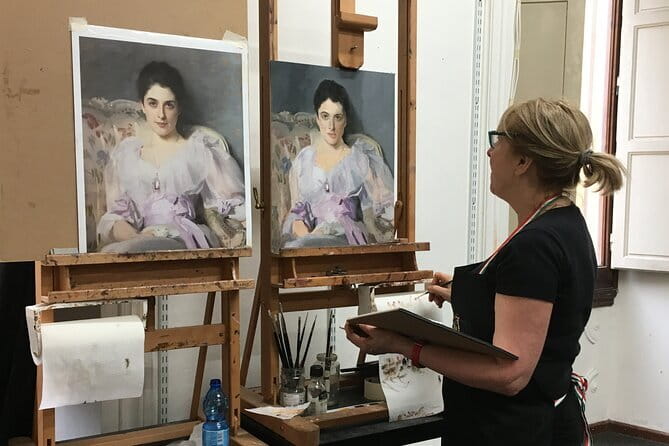
At $475.62 per person, this is an expensive art activity. The price makes more sense when you consider what is included: a private three-hour class, all materials, all pigments, personal instruction, and a finished fresco to keep.
It is not the best choice if you simply want a low-cost creative break. Florence has less costly ways to spend an afternoon. This class is aimed at people who place a high value on direct instruction, historic craft, and a one-of-a-kind souvenir.
The private setting is the biggest reason to consider the cost. You are not sharing the instructor’s attention with a large room of strangers. A beginner can ask basic questions without feeling rushed, while an experienced painter can use the session to explore more complex work.
The average booking lead time is 66 days. That does not guarantee that every date sells out, but it is a useful planning signal. If this is a priority for your Florence visit, reserve early rather than trying to fit it in at the last minute.
The start times are not fixed in the published details. After booking, the studio contacts you to arrange the session. Provide a valid WhatsApp number and watch for that message. This flexible scheduling is helpful, but it means you should not assume a standard morning or afternoon departure.
Reaching the Studio on Via Coluccio Salutati
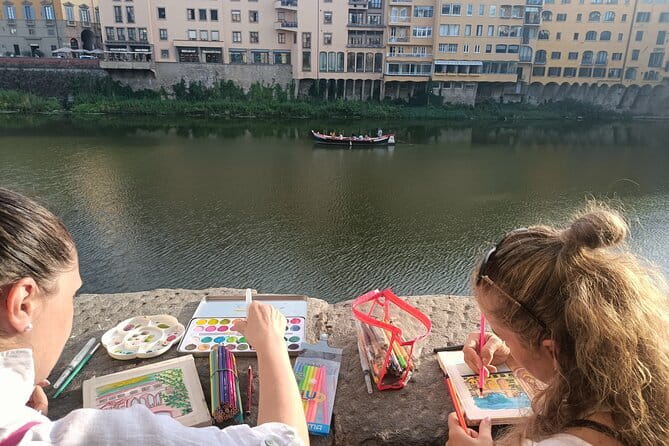
The meeting point is Via Coluccio Salutati, 3r, 50126 Firenze. The activity begins and ends there. You should allow time to reach the address without squeezing the class between two tight appointments.
The studio is near public transportation, which helps if you are not staying close by. The practical advantage of a fixed studio is that you can leave your other sightseeing plans behind and work in a place set up for plaster, pigments, and painting.
Since the class ends at the same meeting point, you do not need to arrange a separate return transfer. You will also have your packed artwork to manage afterward, so a simple route back to your accommodation may be preferable to a long series of stops.
The exact meeting instructions and start time come from the studio after booking. Confirm the details before the day of the class, especially if you have arranged an extended session for a more difficult design.
Who Will Get the Most From This Class
This workshop suits anyone who wants to make art rather than only see it. You do not need professional experience. The class is designed to adjust from basic work for beginners to more detailed subjects for painters with an established practice.
It is especially useful for:
- Couples looking for a shared activity with a physical souvenir
- First-time painters who want close instruction
- Art students and working painters curious about fresco methods
- Visitors who plan to see Renaissance frescoes elsewhere in Florence or Rome
- People who prefer private activities to large group classes
The format can work well for a couple because each person can create an individual fresco while sharing the same instructor and studio time. One participant may have strong artistic experience while the other claims to have none. The private lesson allows both to work at an appropriate level.
This is less suitable if you want a quick drop-in activity with a guaranteed fixed schedule. It is also a poor fit if you dislike handling plaster or if you want to leave Florence with a lightweight souvenir that needs no special care.
Accessibility and Cancellation Details
Service animals are allowed, the studio is near public transportation, and most people can participate. The available information does not provide further details about step-free access, seating, or specific mobility accommodations, so contact the studio directly if you need those answers.
You receive confirmation at booking. Free cancellation is available up to 24 hours before the experience begins. Cancellations or changes made within 24 hours are not accepted for a refund, and the cut-off follows local Florence time.
My Take: A Worthwhile Art Splurge for Florence
You should book this class if you want a close, hands-on connection with Florence’s artistic tradition and you are comfortable paying for a private lesson. The use of lime plaster, pigments, and Cennino Cennini’s recipe gives the activity real substance. It is not simply a painting class with a Renaissance label attached.
The strongest reasons to choose it are the personal instruction, the patient guidance from artists such as Claudia and Eleonora, and the chance to take home an actual fresco. The coffee break while your work dries adds warmth without distracting from the craft.
I would skip it if your budget is tight, your itinerary is packed, or you need a strictly fixed three-hour schedule. For everyone else, especially art lovers and curious beginners, this is one of the more memorable ways to spend an afternoon in Florence. Choose a design you can finish, ask about shipping before class, and leave enough time for the plaster to do its slow work.
FAQ
Where does the fresco painting class take place?
The class begins and ends at Geko Art Studio, located at Via Coluccio Salutati, 3r, 50126 Firenze, Italy.
How long does the workshop last?
The class lasts approximately three hours. A more detailed subject may require extra time.
What happens if my fresco takes more than three hours?
Additional time costs €40 per hour. You pay this amount directly at the studio.
Is the class private?
Yes. Only your group participates, and the activity is arranged as a private class.
Is the class offered in English?
Yes. The experience is offered in English.
Are painting materials included?
Yes. All materials and pigments are included in the price.
Can beginners take part?
Yes. The workshop can be adapted for beginners, who can create a simple fresco. Participants with more experience may work on anatomical details or a face.
Can I take my fresco home?
Yes. The studio carefully packs the finished fresco so you can take it home. Shipping is not included.
How do I arrange the starting time?
Starting times are arranged directly with the studio after booking. Provide a valid WhatsApp phone number so the studio can contact you.
Latest additions around Florence
- Florence: Cathedral Tour & Brunelleschi’s Dome Climb Ticket★ 5.0 · 3 reviews
- Palatina Gallery and Pitti Guided Tour in Florence★ 5.0 · 3 reviews
- Florence Uffizi Gallery Skip-the-line Tour w Art Historian Guide★ 5.0 · 3 reviews
- Private Tour: Pisa and Lucca from Florence★ 5.0 · 3 reviews
- San Gimignano Bike Tour (SOFT)★ 4.5 · 3 reviews
- Florence: Tour of Florence by rickshaw★ 5.0 · 3 reviews
- Center of Florence by golf cart★ 5.0 · 3 reviews
- From Firenze | Chianti day tour in a classic car★ 5.0 · 3 reviews
Florentine Craft Workshops, compared.
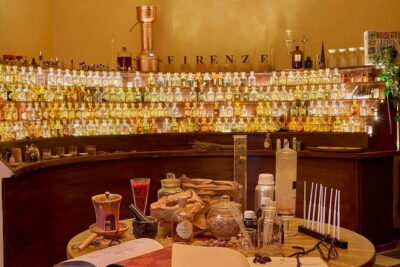
Perfume Masterclass in Florence: Make your Own Personal Fragrance
Read our review →
Handmade Tuscan Ceramics Masterclass in Montelupo
Read our review →
Private jewelry class in Florence, Tuscany, Italy (4 hours)
Read our review →
Perfume Making Workshop in the Heart of Florence
Read our review →
Learn to Sculpt or Paint in a Private Florence Art Studio
Read our review →
Browse the lists this tour appears in