
Reviewed · WINE TOURS
Florence: Wine Tasting and Paring Class Guided Tour
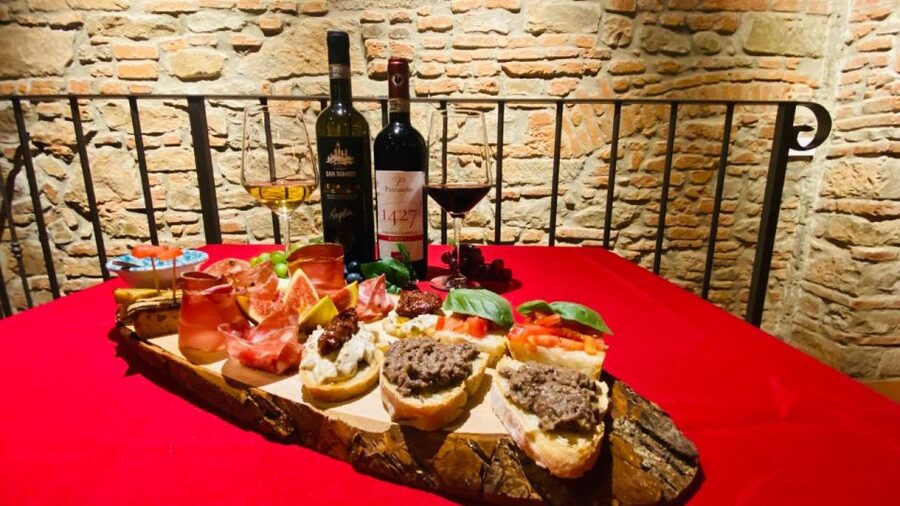
The best part of this Florence wine tasting is its focus on matching wine with food, not simply pouring glasses and naming grapes. In about 90 minutes, you sample Chianti Classico, Chianti Classico Riserva, and either a Tuscan Prosecco or white wine alongside olives, bruschetta, Parmesan, salami, and prosciutto.
I like the clear teaching style and the chance to compare several Tuscan wines in one sitting. I also like the small, central meeting point on Via del Gomitolo dell’Oro, which makes this easy to fit into a day of sightseeing. The main caution is value: the three-wine option may feel modest if you expect full glasses or a full meal, so serious wine drinkers may prefer the seven-wine or VIP choice.
In This Review
- Key points to know before booking
- What this Florence wine class is really about
- Arriving at Via del Gomitolo dell’Oro 11
- The three-wine tasting: a compact introduction to Tuscany
- The seven-wine option for serious comparison
- Why the Tuscan food pairings matter
- The guides and the teaching style
- Is $52.38 a fair price?
- Timing, group fit, and practical limits
- How I would plan this into a Florence day
- Who should book this wine tasting?
- FAQ
- Where does the wine tasting begin?
- How long does the activity last?
- Which wines will I taste?
- How many wines are included?
- What food is served?
- Can dietary requirements be accommodated?
- Is the experience wheelchair accessible?
- What happens if I arrive late?
Key points to know before booking
- Chianti takes center stage: Compare Chianti Classico and Chianti Classico Riserva with traditional Tuscan foods.
- Food is part of the lesson: Olives, bruschetta, Parmesan, salami, and prosciutto show how wine changes with different flavors.
- Choose your tasting size: The basic option includes three wines, while the larger option includes seven.
- Guides make the difference: Giorgio and Vincenza have led sessions praised for clear explanations, practical advice, and warm service.
- It is short and central: The class lasts 1.5 hours and begins and ends at Via del Gomitolo dell’Oro 11.
- Special diets need notice: Vegetarian and gluten-free menus can be arranged on request, and allergies should be reported when booking.
What this Florence wine class is really about
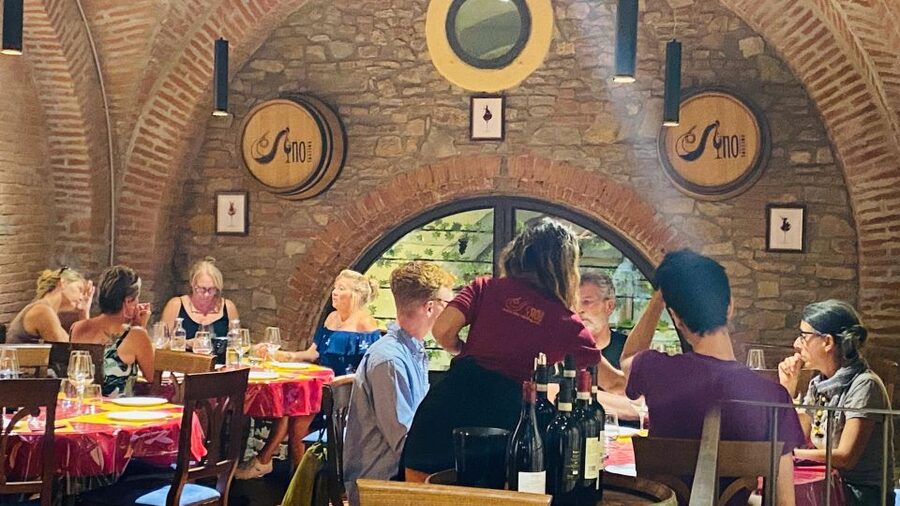
This is not a vineyard visit. You will not ride through the Tuscan countryside or tour a winery outside Florence. Instead, you meet at a wine tasting venue in the city and spend the session learning how Tuscan wines are made, labeled, served, and paired with food.
That city setting is useful if your Florence schedule is tight. You can fit the class between museum visits, shopping, or dinner without giving up half a day to transportation. The tradeoff is that the experience gives you wine knowledge and tasting practice, not a view of the vines or a walk through a cellar.
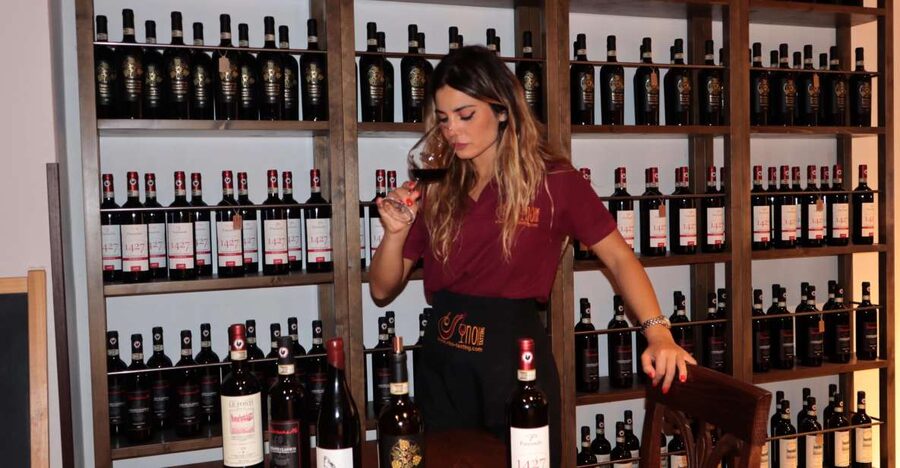
The session is led in English or Italian by a live guide. The teaching aims to educate without becoming stiff or overly formal. You can expect local winemaking facts, stories about the area, and an explanation of why certain foods work well with certain wines.
I find that format especially helpful if you are unsure how to order wine in Italy. You get a chance to ask questions in a relaxed setting, then test the advice immediately with food in front of you.
More Florence wine afternoons:
- Tuscany Day Trip from Florence: Siena, San Gimignano, Pisa and Lunch at a Winery
★ 5.0 · 21,634 reviews - Florence: Pasta Cooking Class with Unlimited Wine
★ 4.9 · 10,285 reviews - Florence: Chianti Wineries Tour with Wine Tasting
★ 4.5 · 8,301 reviews
Arriving at Via del Gomitolo dell’Oro 11
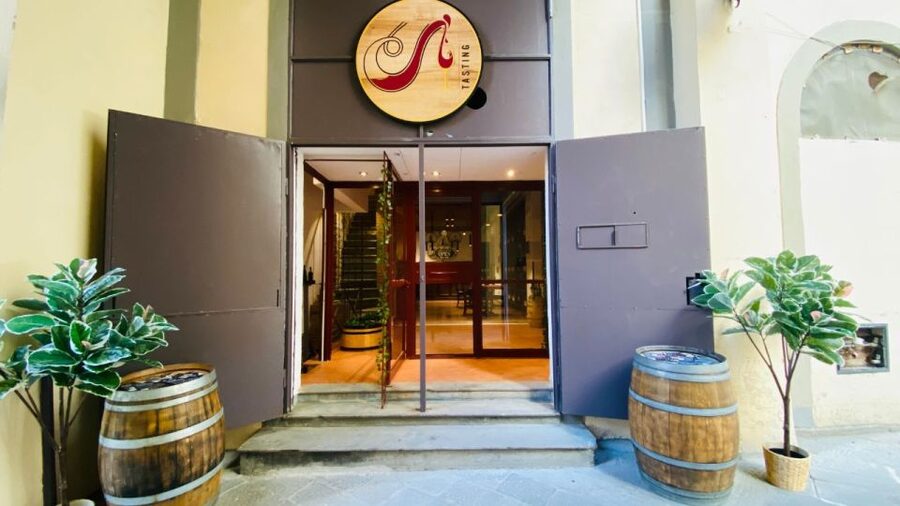
The meeting point is Via del Gomitolo dell’Oro 11 in Florence. The activity begins and ends at the same address, so you do not need to arrange a ride between stops or find your way back from a distant winery.
Plan to arrive at least 15 minutes early. This matters here because late arrival means you may not be allowed to join, and the booking cannot be refunded or moved to another departure. Bring your passport or ID card, as identification is required.
Large bags and luggage are not allowed. That makes this a poor first activity after arriving at the train station if you still have suitcases with you. It works better after you have checked into your accommodation or left your bags somewhere secure.
The venue is wheelchair accessible. The tour requires at least two people to operate, so a solo booking may depend on another person joining. There is also a possibility of cancellation if the minimum number is not reached, in which case an alternative or full refund is offered.
The three-wine tasting: a compact introduction to Tuscany
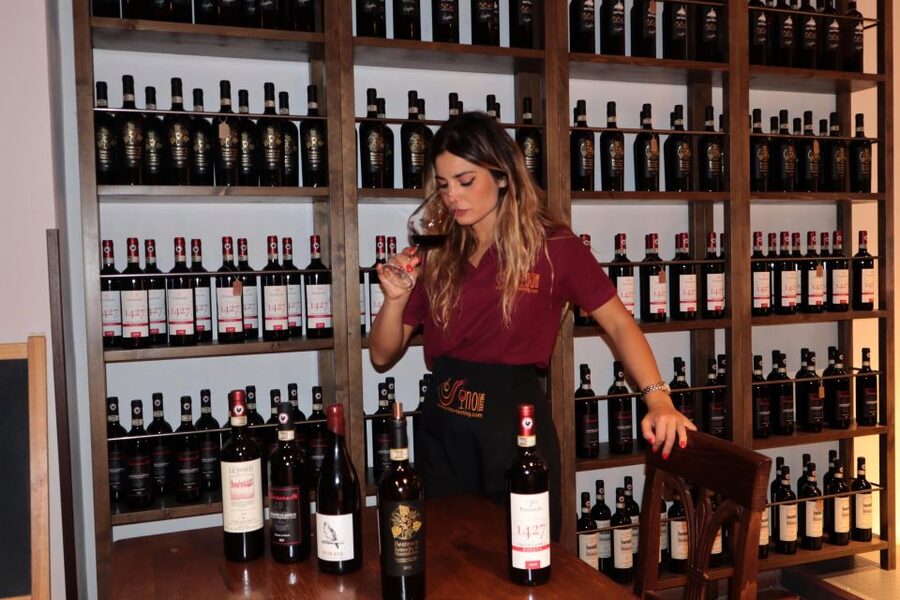
The three-wine option is designed for a shorter, lighter introduction. The exact wines can vary, but the planned selection includes Tuscan styles such as Chianti Classico, Chianti Classico Riserva, and Tuscan Prosecco or white wine.
This range gives you useful contrast. Chianti Classico introduces one of Tuscany’s best-known red wine styles. The Riserva provides a second point of comparison within the same broad tradition. A sparkling or white wine adds a change of pace and lets you think about pairing beyond red meat and aged cheese.
The pours are tasting portions rather than large drinking glasses. That is normal for a class, since the point is to compare several wines without becoming uncomfortable or losing your ability to notice differences. Still, you should choose the seven-wine option if you want a more substantial tasting.
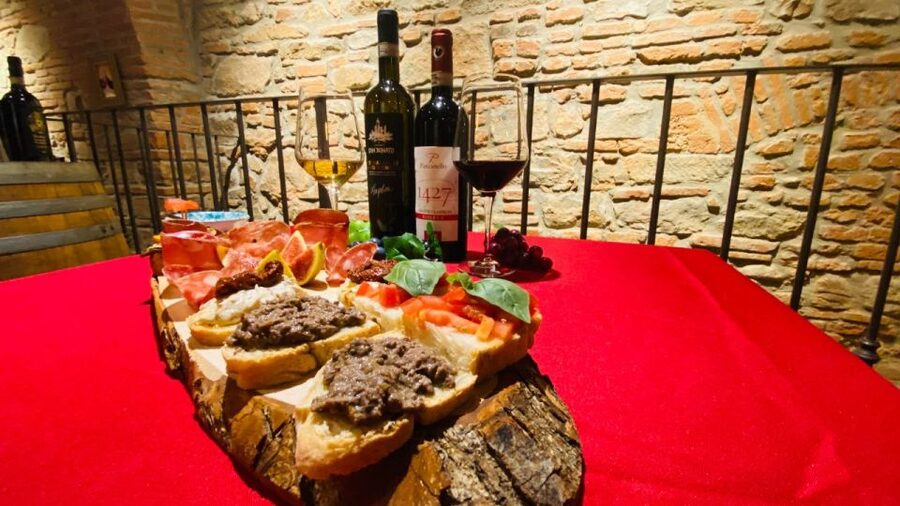
The food arrives as a Tuscan appetizer platter. Expect Italian olives, bruschetta, Parmesan, salami, and prosciutto. These are not decorative extras. They are used to show how salt, fat, acidity, and texture affect the taste of wine.
The three-wine format suits couples, first-time wine tasters, and anyone who wants a pleasant break rather than a major food event. If you already know your way around wine, the shorter session may leave you wishing for more bottles and more time.
The seven-wine option for serious comparison
The seven-wine choice gives the guide more room to show variety. It is the better pick if you want to compare white, rosé, sparkling, and red styles, or if you are curious about the differences between several Tuscan bottles.
One useful feature is the possibility of a more personal selection. A past session included a mix of white, rosé, and red wines chosen around the group’s preferences. That kind of adjustment can make the class more useful than a fixed list, since you can focus on styles you actually order at home.
Seven wines also make the pairing lesson clearer. With only one or two foods, the idea can remain abstract. With several wines and a platter of salty, creamy, crisp, and cured foods, you can see why one match works better than another.
You should not read seven wines as seven full glasses. This remains a guided tasting, and the portions are meant for sampling. The advantage is breadth, not a long drinking session.
The larger option has earned strong praise for offering enough wine and food to feel like a full activity. At the same time, the value depends on your expectations. Someone looking for a casual aperitivo may find three wines enough, while an enthusiast will likely get more from seven.
More Florence options worth a look before you decide
- Florence Pizza or Pasta Class with Gelato Making at a Tuscan Farm
★ 5.0 · 6,801 reviews - Florence: Pasta & Tiramisu Cooking Class with Unlimited Wine
★ 4.9 · 6,708 reviews - Florence: Pasta Cooking Class with Unlimited Wine
★ 5.0 · 6,413 reviews - Cooking Class and Lunch at a Tuscan Farmhouse with Local Market Tour from Florence
★ 5.0 · 4,831 reviews
Why the Tuscan food pairings matter
The platter gives the class a local flavor without pretending to be a complete Tuscan meal. Italian olives bring salt and bitterness. Bruschetta adds bread, tomato, herbs, and olive oil. Parmesan contributes a firm, savory bite, while salami and prosciutto bring fat, salt, and spice.
These foods are practical choices for teaching because they change the wine in noticeable ways. A sharp or dry wine may taste different beside cured meat than it does on its own. A red wine may feel rounder with cheese, while a sparkling or white wine can offer a cleaner match for lighter bites.
Portions are described as generous enough for a tasting and snack, but you should still plan a proper meal later if you need lunch or dinner. The food is a strong part of the experience, yet it is not presented as a full restaurant meal.
Vegetarian and gluten-free menus are available on request. If you have an allergy or intolerance, tell the operator when booking and remind the staff before the tasting begins. Do not assume a last-minute change can always be made.
Children can receive Coca-Cola, Fanta, or Sprite instead of wine. However, unaccompanied minors are not permitted, and the activity is not suitable for pregnant women.
The guides and the teaching style
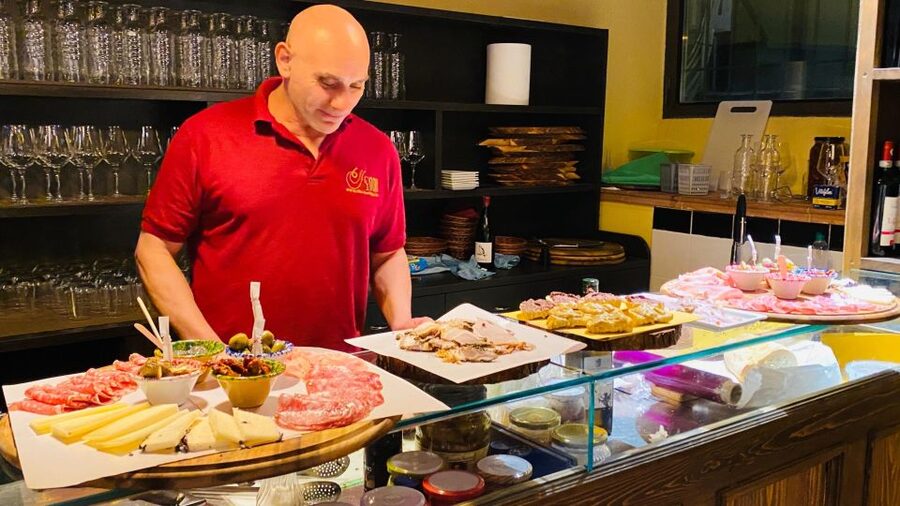
A good wine class depends heavily on the person leading it. Giorgio has been praised for being friendly, precise, and easy to follow. Vincenza has also led sessions with detailed explanations, food matches, and stories about individual bottles.
The useful thing here is not simply the number of facts. The guide explains how to think about wine. You learn about production, local traditions, and the reason a particular appetizer is placed beside a particular pour.
The class also aims to amuse, which helps keep the information from turning into a lecture. You should expect stories and practical observations rather than an advanced certification course.
I would especially recommend this for people who often feel lost when reading an Italian wine list. The session may help you understand why Chianti Classico and Chianti Classico Riserva are not identical choices, and how to choose a wine that fits the food on your table.
The language options are English and Italian. If you want a highly technical lesson about vintages, soil, and production rules, ask questions early and be clear about your interests. The class is built for a broad audience, so the level may remain introductory unless the group takes it further.
Is $52.38 a fair price?
The listed price is $52.38 per person. At that rate, the value is reasonable if you want a guided tasting in Florence with food, instruction, and a central location. You are paying for the guide’s time and interpretation, not just the liquid in the glass.
The price looks better for the seven-wine option, especially if the platter is substantial and you want a structured lesson. The three-wine choice can still work well, but it is less compelling if you judge the cost only by the number of pours.
One important point is that the experience is not a full meal and does not include transportation, extra drinks, or additional food. If you arrive hungry and expect to leave fed for the rest of the evening, budget for another meal.
The VIP option includes a bottle of Brunello di Montalcino. That changes the calculation for someone interested in a more special wine experience, though the provided information does not specify whether the bottle is for drinking during the class or taking away. Confirm that detail before booking if it matters to you.
The best value comes when you care about learning how to taste and pair wine. If you only want a cheap glass of Tuscan red, a wine bar may cost less and give you more freedom. If you want guidance, local foods, and several comparisons in a short period, this class makes more sense.
Timing, group fit, and practical limits
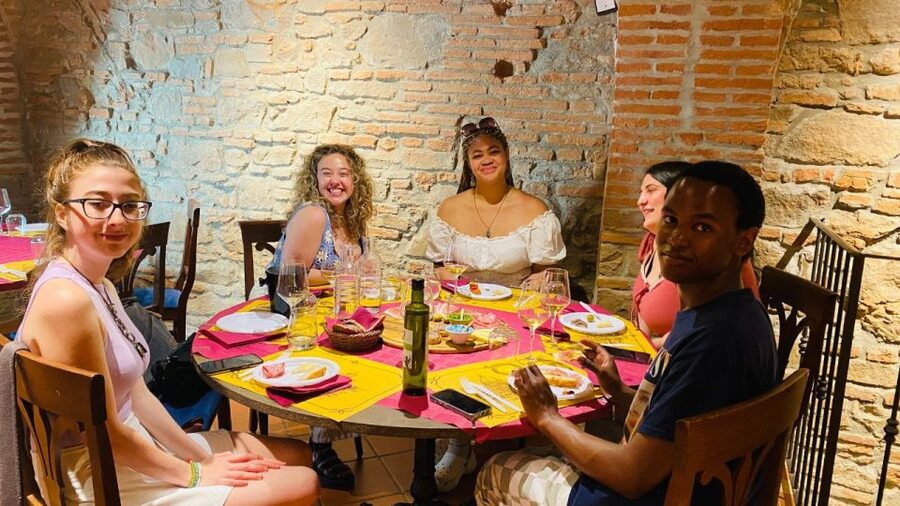
The activity lasts 1.5 hours, with the actual tasting and guided lesson taking about 75 minutes. Starting times vary, so check availability for the date you want.
That length is a strength. You get a focused introduction without losing an entire afternoon. It also means the experience cannot cover every corner of Tuscan wine culture. Think of it as a useful first chapter, not a complete wine course.
This class works well for couples, friends, and small groups with mixed wine experience. A beginner can ask basic questions without needing prior knowledge. An experienced drinker can use the session to compare local styles and talk through pairing choices.
It may not suit someone seeking a countryside excursion, a long winery tour, or a large meal. It is also not appropriate if you are pregnant, bringing pets, carrying luggage, or planning to arrive with children on their own.
Free cancellation is available up to 24 hours before the start time, and you can reserve now and pay later. Those terms help if your Florence plans are still shifting, but they do not protect you from the strict late-arrival rule.
How I would plan this into a Florence day
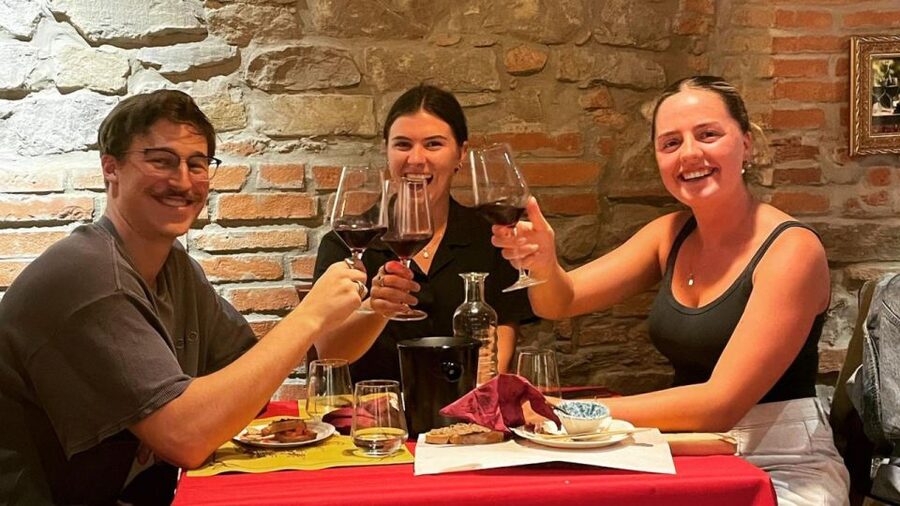
I would place the tasting in the middle or late part of a sightseeing day, after leaving luggage at your accommodation. Because the class begins and ends at the same central address, you can continue on foot afterward without arranging a transfer.
Do not schedule it so tightly that a museum delay puts you at risk. Arriving 15 minutes early is the sensible plan, and extra time is useful if you are unfamiliar with the street.
The tasting can work before dinner, but remember that the platter is a snack rather than a guaranteed full meal. If you choose the three-wine option, plan a restaurant afterward. If you choose seven wines, you may feel satisfied for a while, but you will still want a proper Tuscan meal later.
I would also avoid booking it immediately before a major timed attraction. The class has a fixed start, and late arrivals cannot join. Give yourself a cushion so the wine lesson feels relaxed rather than rushed.
Who should book this wine tasting?
Book it if you want a short, friendly introduction to Tuscan wine with local food and clear instruction. It is particularly useful if you want to order wine with more confidence during the rest of your Italy trip.
Choose the seven-wine option if you enjoy comparison, want more variety, or already know that three tasting pours will feel too brief. Consider the VIP option if the Brunello bottle is important to you and you confirm how it is handled.
Choose the three-wine option if your schedule is tight or you simply want an aperitivo-style activity with some useful context. I would skip this experience if your priority is visiting vineyards, touring production rooms, or eating a full Tuscan dinner.
At $52.38 per person, I see it as a fair introduction rather than a bargain meal. You are buying structure, explanation, and a chance to taste several wines with foods chosen for comparison. For many people, that practical lesson is worth more than ordering one random glass at a bar.
FAQ
Where does the wine tasting begin?
It begins at the Wine Tasting Tour Meeting Point, Via del Gomitolo dell’Oro 11, 50123 Florence, Italy.
How long does the activity last?
The activity lasts 1.5 hours. The main guided tasting portion is listed as about 75 minutes.
Which wines will I taste?
The tasting includes Tuscan wines such as Chianti Classico, Chianti Classico Riserva, and Tuscan Prosecco or white wine. The exact selection can depend on the option chosen.
How many wines are included?
You can select an option with three wines or an option with seven wines. The VIP option also includes a bottle of Brunello di Montalcino.
What food is served?
The platter includes Italian olives, bruschetta, Parmesan cheese, salami, and prosciutto.
Can dietary requirements be accommodated?
Vegetarian and gluten-free menus are available on request. You should report allergies or intolerances when booking and again before the activity.
Is the experience wheelchair accessible?
Yes, the activity is wheelchair accessible.
What happens if I arrive late?
You must arrive at least 15 minutes before the start time. If you arrive after the activity begins, you will not be allowed to join, and you will not receive a refund or a rescheduled place.
Latest additions around Florence
- Florence: Cathedral Tour & Brunelleschi’s Dome Climb Ticket★ 5.0 · 3 reviews
- Palatina Gallery and Pitti Guided Tour in Florence★ 5.0 · 3 reviews
- Florence Uffizi Gallery Skip-the-line Tour w Art Historian Guide★ 5.0 · 3 reviews
- Private Tour: Pisa and Lucca from Florence★ 5.0 · 3 reviews
- San Gimignano Bike Tour (SOFT)★ 4.5 · 3 reviews
- Florence: Tour of Florence by rickshaw★ 5.0 · 3 reviews
- Center of Florence by golf cart★ 5.0 · 3 reviews
- The David from Michelangelo.★ 5.0 · 3 reviews
Wine Tours, compared.
Tuscany Day Trip from Florence: Siena, San Gimignano, Pisa and Lunch at a Winery
Read our review →
Small-Group Wine Tasting Experience in the Tuscan Countryside
Read our review →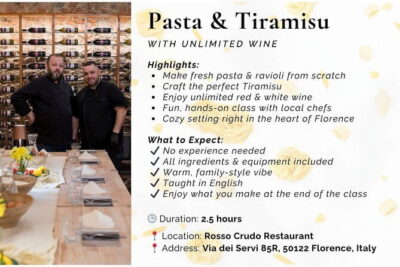
Pasta & Tiramisu Cooking Class with Unlimited Wine
Read our review →
Pisa, Siena and San Gimignano Day Trip with Lunch & Wine Pairing
Read our review →
SMALL-GROUP Wine Safaris: Tuscan Wine Tasting Tours from Florence
Read our review →Browse the lists this tour appears in