
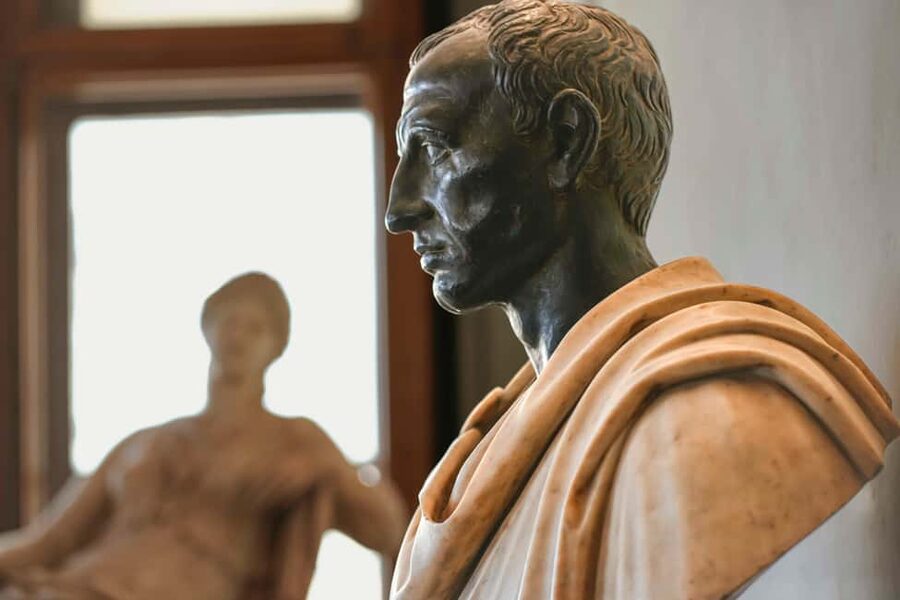
Reviewed · UFFIZI GALLERY TOURS
Florence: Uffizi Gallery Reserved-Entry VIP Tour
Botticelli’s Birth of Venus is famous enough to be a Florence cliché, yet seeing it in the Uffizi with someone who can explain its symbols, colors, and Medici connections gives the painting new life. This 90-minute guided visit focuses on the gallery’s great Renaissance works, including Michelangelo’s Doni Tondo, Leonardo da Vinci’s drawings and paintings, and Caravaggio’s Medusa.
I like two things here: the small group of no more than nine people, and the chance to remain inside the museum after the guided portion ends. The headsets also matter. In a crowded gallery, you can stand a few steps away from the guide and still follow the story.
The main drawback is time. Security can take another 15 to 20 minutes during busy periods, and the tour itself may feel closer to an hour once everyone enters, uses the facilities, and gathers. This is a highlights visit, not a slow examination of every room.
In This Review
- Key points to know before booking
- Meeting the guide outside the Uffizi
- Reserved entry helps, but security still takes time
- The Uffizi building gives you the first lesson
- Botticelli’s Venus and the language of Renaissance painting
- Leonardo’s drawings reward close attention
- Michelangelo’s Doni Tondo and the changing human figure
- Caravaggio and the works that may receive less time
- What the guides do best
- A compact route with real advantages for families
- Staying inside after the guided portion
- Is $82 a fair price?
- Practical details that can make the visit smoother
- Who should book this Uffizi tour?
- Should you book it?
- FAQ
- How long does the Uffizi tour last?
- What artworks are included?
- Does the tour include skip-the-line entry?
- How long can security take?
- How large is the group?
- Which languages are available?
- Where do I meet the guide?
- Do I need identification?
- Is the Uffizi tour wheelchair accessible?
- Is hotel transportation included?
- Can I cancel the booking?
Key points to know before booking
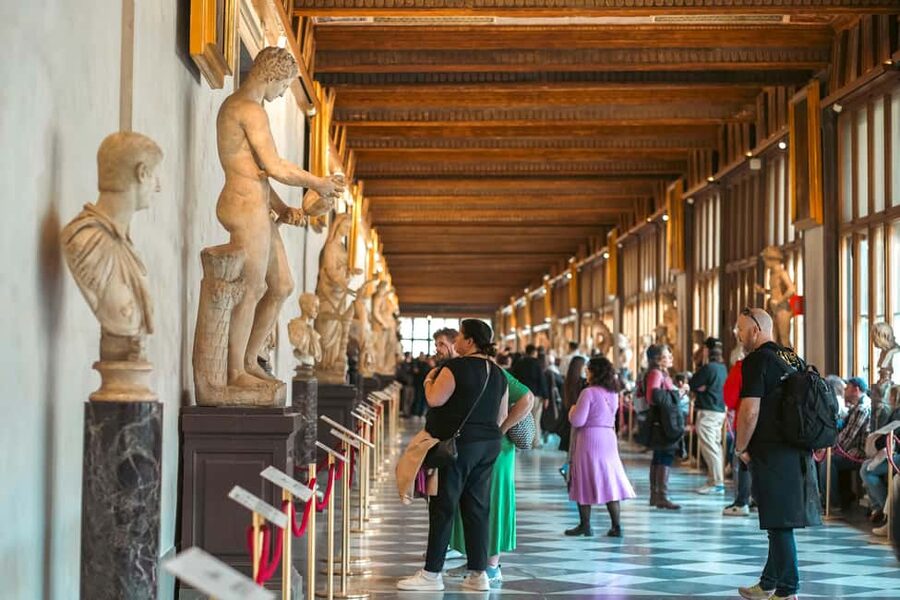
- Botticelli, Michelangelo, and Leonardo lead the route: You see several of the Uffizi’s most important works while learning how Renaissance art changed.
- A group of up to nine keeps things personal: Guides can answer questions and adjust the pace more easily than on a large coach tour.
- Reserved entry saves time, but not all waiting: You use a separate entrance, yet every visitor still passes through museum security.
- The guide shapes the experience: Ilaria, Silvia, Anastasia, Francesca, Claudia, and others have received praise for clear explanations, humor, and warm handling of families.
- You can continue after the tour: The guided route ends after 1.5 hours, but you are free to see more of the collection.
- Bring your passport or ID: Your full name must match the booking, and incorrect ticket details may prevent entry.
Meeting the guide outside the Uffizi
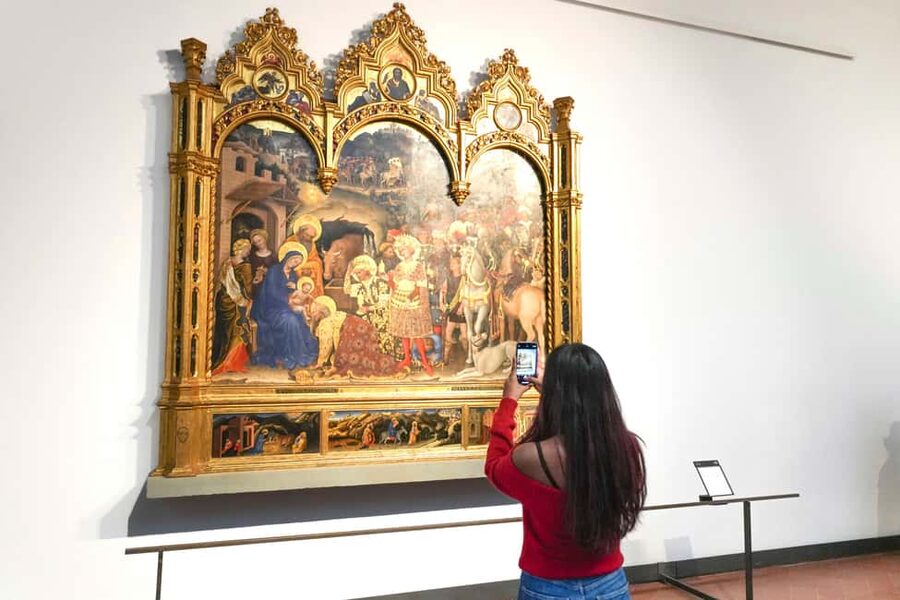
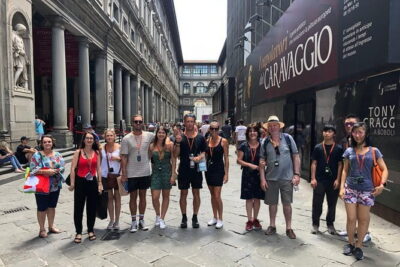
The meeting point is in front of Leonardo da Vinci’s statue, near the Uffizi ticket office. Look for the guide holding a white flag marked Enjoy Rome. That detail is useful because the square can be crowded, and several tour groups gather around the museum entrances.
Allow extra time to find the statue and identify the flag. You do not want to arrive at the last minute, especially if you need to sort out names, tickets, or the headset system. Your passport or ID card is mandatory, so keep it handy rather than buried at the bottom of your bag.
The tour is offered in English, Spanish, German, Italian, and French. The exact starting time varies, so you need to check the available departure when booking. Hotel pickup and drop-off are not included. You make your own way to the Uffizi.
More ways into the Uffizi:
- Florence: Skip-The-Line Uffizi Gallery Timed Entry Ticket
★ 4.5 · 27,832 reviews - Florence: Uffizi Priority Ticket & Masterpieces Audio App
★ 4.2 · 6,402 reviews - Florence: Skip-the-Line Uffizi Small Group Tour
★ 4.6 · 5,926 reviews
Reserved entry helps, but security still takes time
The practical advantage is a separate entrance for reserved groups. That can be a major help when the regular line stretches along the building, particularly during peak hours. One visit had a long line outside, and the group entrance made a clear difference.
Do not read skip-the-line as walk straight in without a pause. The museum still requires a security check for everyone. During busy periods, that check can take around 15 to 20 minutes. One group also faced an unavoidable delay after another visitor had a medical emergency.
That sort of delay is outside the guide’s control. A good guide can still use the time well. Ilaria, for example, filled the wait with information about the Uffizi building and Florentine politics rather than leaving the group standing in silence.
A museum visit works better when you accept that the entry process is part of the day. The reserved ticket reduces one kind of waiting, but it cannot remove security, crowd control, or unexpected interruptions.
The Uffizi building gives you the first lesson
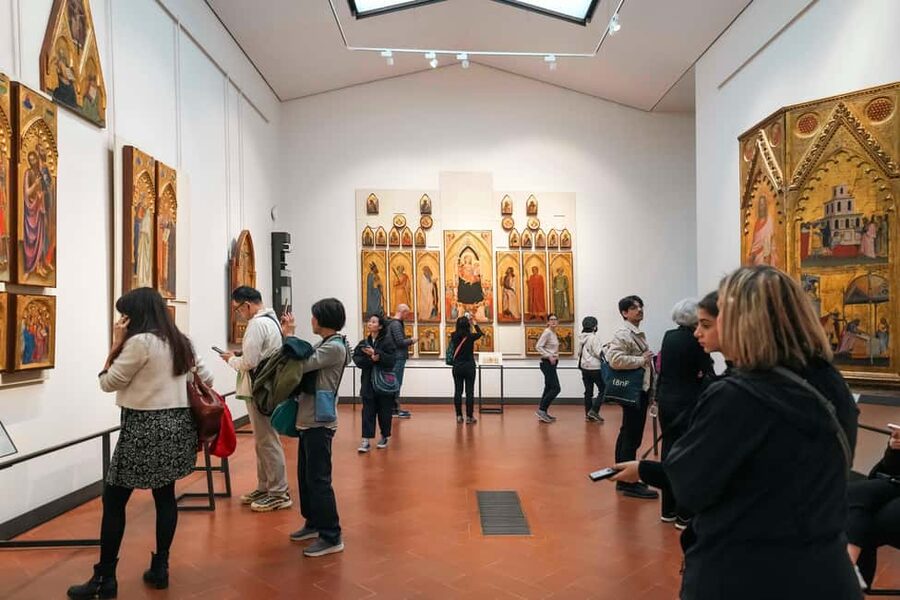
The Uffizi was designed by Giorgio Vasari, and its long corridors are part of the experience. The architectural features, views between rooms, and ancient statues set the stage before you reach the best-known paintings.
Your guide uses the building to explain how Florence’s ruling Medici family shaped the collection. This political setting matters because the Uffizi is not just a storehouse of famous pictures. It reflects the ambitions, religious ideas, and public image of the people who commissioned and collected the art.
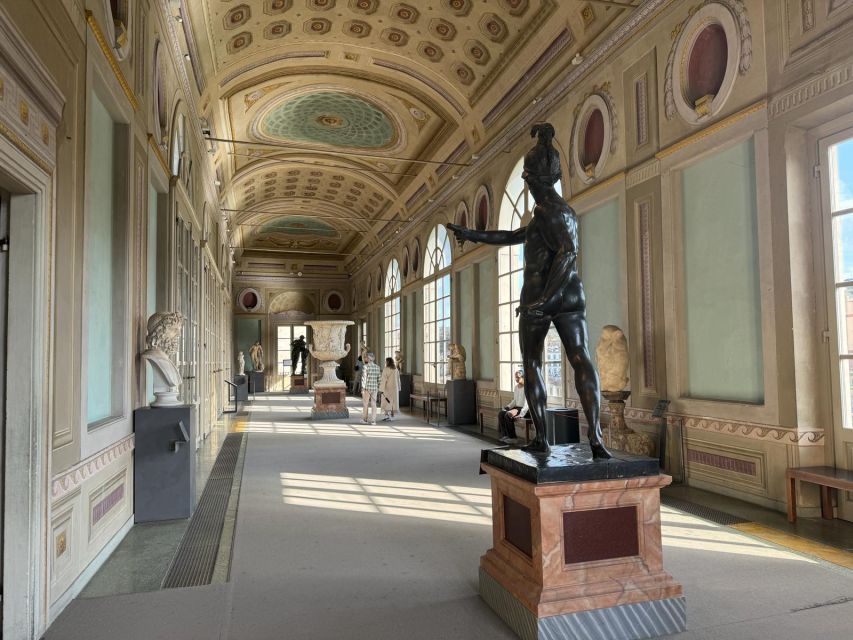
The corridors also contain a broad selection of ancient statues. The tour may not stop for a long explanation of every sculpture, since the route gives priority to painting, but you will see them as you move through the museum. If sculpture is your main interest, plan to remain afterward and explore at your own pace.
Botticelli’s Venus and the language of Renaissance painting
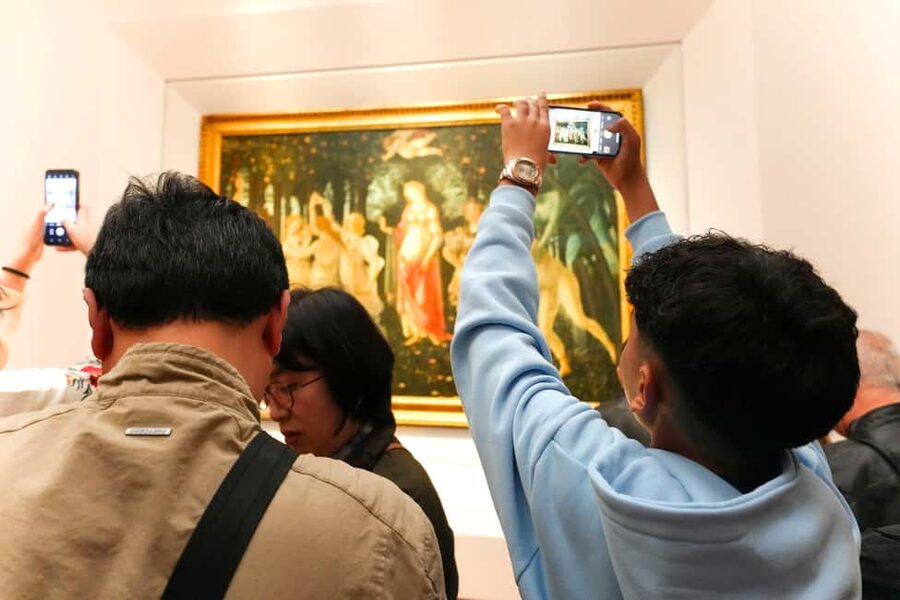
Botticelli’s Birth of Venus is one of the tour’s main stops. A guide can help you look past its fame and notice how the pose, flowing hair, pale colors, and mythological subject differ from earlier religious painting.
The value of the explanation is not simply learning the title. You get help reading the work: why certain figures appear, how beauty was presented, and how the painting connects to Florence’s intellectual and artistic circles. A good guide turns a picture you may have seen many times into a scene with choices, symbols, and purpose.
Botticelli’s work often becomes the point at which the tour’s larger story makes sense. You begin to see the Renaissance not as a sudden switch from old art to new art, but as a period when artists experimented with the human body, nature, classical ideas, perspective, and emotion.
The room can be crowded. People gather around the most famous paintings, and it may take patience to get a clear view. The headset lets you listen while standing at the edge of the crowd, though you may still need to wait for a better position.
More museums worth an hour:
- Florence: Leonardo Interactive Museum Entry Ticket
★ 4.5 · 11,763 reviews - Florence Accademia Gallery Tour with Entrance Ticket Included
★ 4.5 · 6,148 reviews - Uffizi Gallery Small Group Tour with Guide
★ 4.5 · 4,923 reviews - Florence: Accademia Gallery Guided Tour
★ 4.6 · 4,156 reviews
Leonardo’s drawings reward close attention
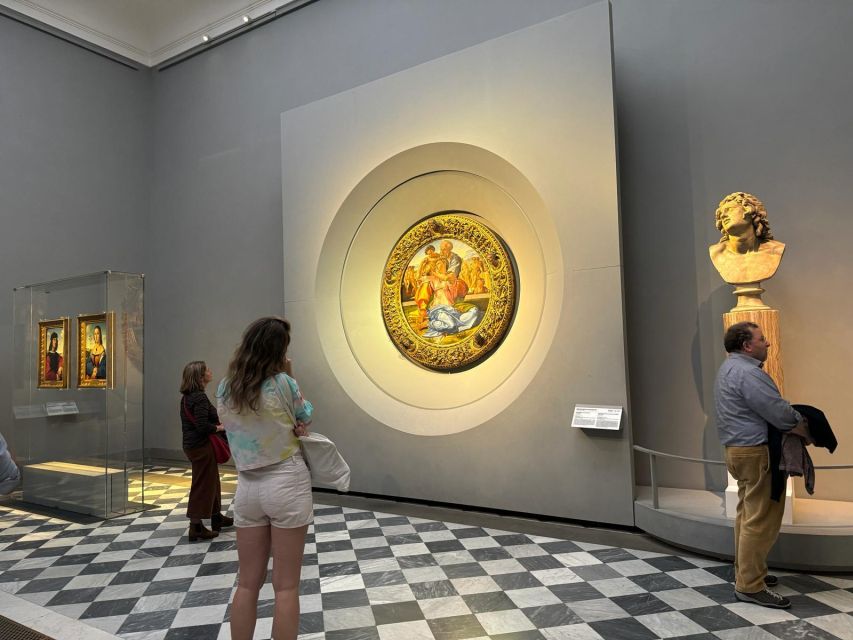
Leonardo da Vinci’s drawings and paintings require a different kind of looking. They can be smaller and more delicate than the grand altarpieces, so a guide’s commentary helps you notice technique, observation, and the artist’s interest in light, water, anatomy, and movement.
The tour presents Leonardo within the development of Renaissance art rather than treating him as an isolated genius. That context is useful if you are not trained in art. You can follow how artists built on earlier methods and then pushed them further.
This is also where the headsets prove their worth. A guide can continue speaking without everyone pressing shoulder to shoulder around a drawing. You can look closely, step back, and still hear the explanation.
The tour is designed for a broad audience. One guide was praised for making the material accessible to someone who felt far removed from art. That is an important strength. You do not need to know the difference between a fresco and a tempera panel before arriving.
Michelangelo’s Doni Tondo and the changing human figure
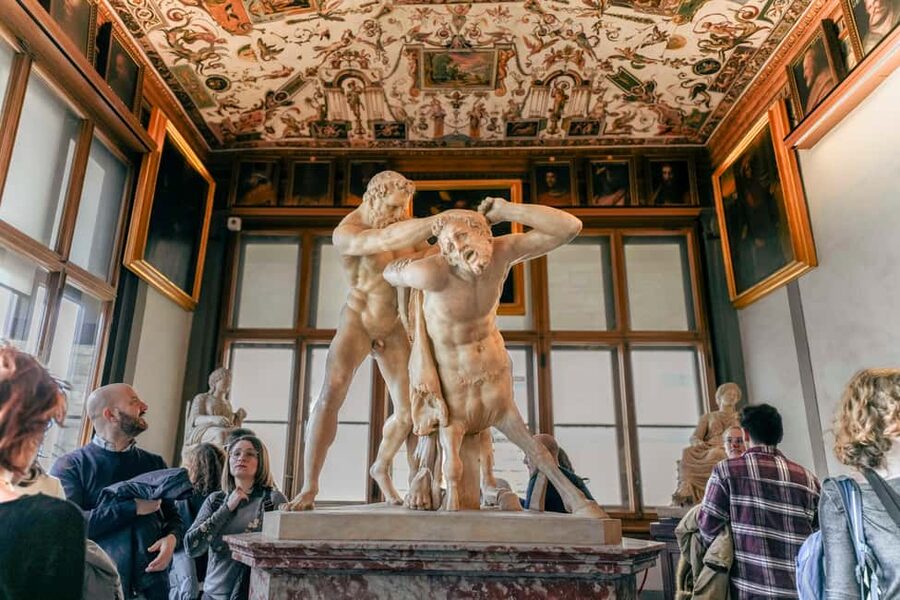
Michelangelo’s Doni Tondo gives the tour another strong anchor. The painting lets you consider the powerful bodies, vivid colors, and sculptural quality associated with Michelangelo’s art.
The guide also connects the work to the artist’s life and to the changing ideals of the period. The point is not to memorize dates. It is to understand why artists began giving figures greater weight, presence, and physical force.
This stop can be especially useful if you have seen Michelangelo’s sculpture elsewhere in Florence. The Uffizi allows you to compare the artist’s approach to painted figures with the sculptural ideas that made him famous.
Because the tour covers several major artists in a short time, you will not stand before every work for a long stretch. If Doni Tondo matters most to you, tell the guide. The small group makes that kind of question easier than it would be on a large tour.
Caravaggio and the works that may receive less time
Caravaggio’s Medusa is included among the important works you may see. Its drama and force provide a sharp contrast to the earlier Renaissance paintings. The route can show you how art continued to change after the period associated with Botticelli, Leonardo, and Michelangelo.
Still, the exact attention given to Caravaggio can vary with the guide, crowd levels, and the group’s pace. A 1.5-hour visit cannot give equal weight to every major room. Some visitors found the tour concentrated mainly on the key Renaissance paintings, with less time for Caravaggio and the sculptures.
That is not a flaw if you want a clear introduction to the Uffizi’s best-known paintings. It is a limitation if your priority is seventeenth-century art, sculpture, or obscure rooms. In that case, use the free time after the tour to return to the areas that received only a brief look.
What the guides do best
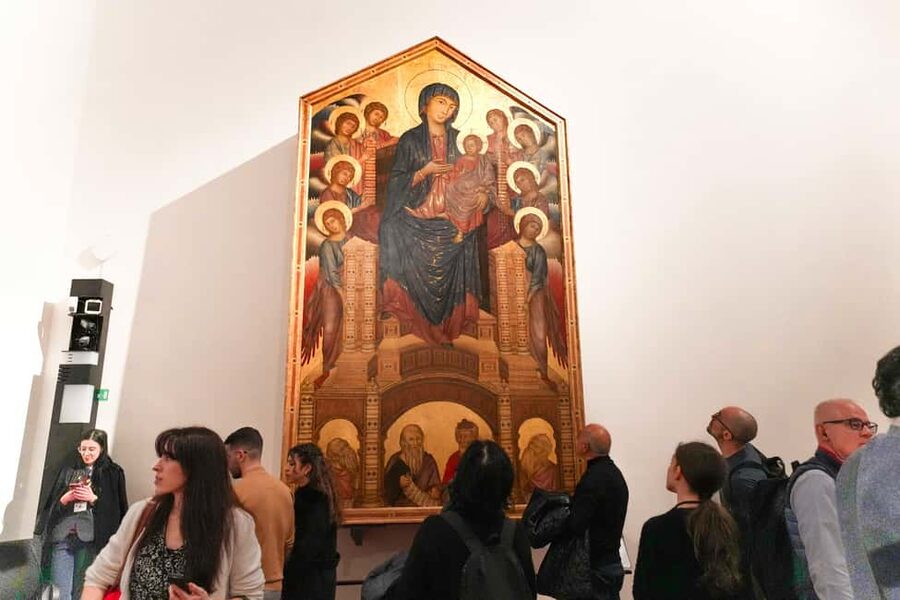
The strongest part of this experience is the human element. Guides named Ilaria, Silvia, Anastasia, Rosanna, Francesca, Claudia, Virginia, Martina, Ana, and others have been praised for clear storytelling, humor, patience, and enthusiasm.
Silvia’s approach, for instance, links the painting process to methods, colors, water, and light. Anastasia has been praised for keeping a steady pace while explaining the development of painting before, during, and after the Renaissance. Francesca handled a group that included an 89-year-old visitor and made sure no one was left behind.
These details matter more than a long list of credentials. A guide must manage a moving group in a crowded museum while explaining art at a pace that works for different ages and interests. Families with children aged 10 to 13 found the compact route held attention better than a much longer visit.
The small group gives you a better chance to ask questions. A guide can also adjust the route or emphasis to suit the people present. That does not guarantee the same guide or the same style on every departure, but it gives the experience a more personal shape.
Not every guide will suit every person. One booking described a guide as lacking energy and warmth, while another found a tour too long because of delays and extended explanations. Most of the feedback is strongly positive, but your experience will still depend on the individual guide and the day’s crowd.
A compact route with real advantages for families
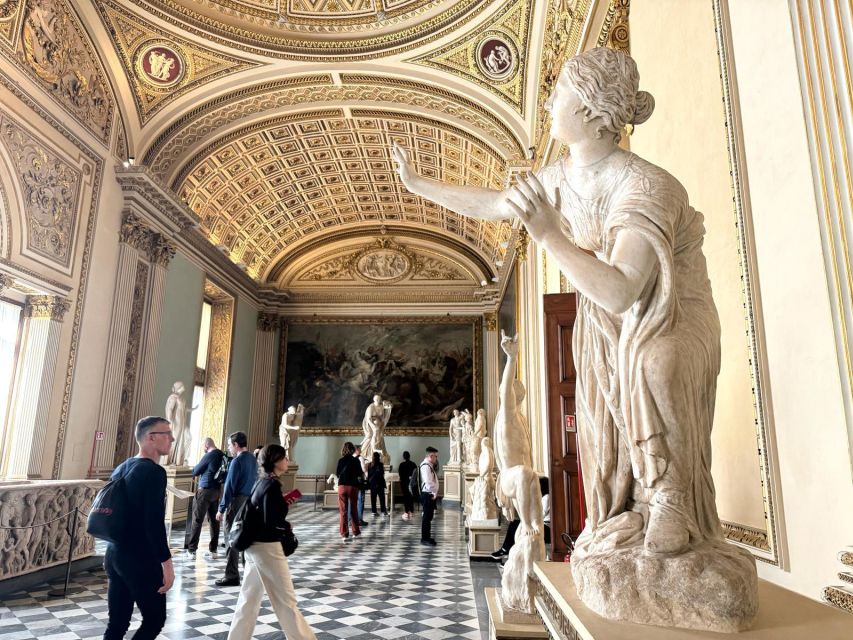
The 1.5-hour length is a good fit for many first-time visitors. You get the major names without trying to absorb the entire Uffizi in one sitting. Families may appreciate the firm endpoint, especially if younger children or teenagers are part of the group.
Older visitors may also find the shorter format manageable. One guide made a point of including an 89-year-old member of the group, while another kept a family with children engaged through humor and short explanations.
The risk is that the tour feels rushed if entry takes longer than expected. A scheduled 90-minute activity may lose part of its museum time to security, restroom stops, late arrivals, or an unexpected closure. One visit was described as closer to an hour inside the galleries, while another stretched toward three hours because of waiting for missing group members.
You should build some flexibility into your day. Do not schedule a train, lunch reservation, or another timed attraction immediately afterward. The tour itself is short, but museums do not always run on a perfect clock.
Staying inside after the guided portion
After the 1.5-hour tour, you can continue exploring the Uffizi. This is one of the best features of the booking because the guide gives you a framework, then you can slow down.
Use the remaining time to revisit a painting that moved too quickly during the group visit. You can also spend longer with the ancient statues, examine rooms not emphasized by the guide, or return to Caravaggio and other later works.
This arrangement works better than trying to see everything with a guide. First, you get orientation and context. Then you can follow your own interests without needing to navigate the entire collection from scratch.
I would treat the guided hour and a half as your introduction, not your complete museum visit. If you have strong art interests, allow extra time afterward. The guided portion points you toward the collection’s major ideas, but the Uffizi rewards a slower second look.
Is $82 a fair price?
At $82 per person, this is not the cheapest way to enter the Uffizi. You are paying for reserved entry, a live guide, a group capped at nine, and the radio headset system, not simply for access to the museum.
The price makes the most sense if you want the famous works explained and expect heavy crowds. The separate group entrance may save valuable time, and a good guide can help you understand why the paintings matter rather than leaving you to read labels while people press around you.
The value is less clear if you prefer silence, already know Renaissance art well, or plan to spend hours studying one artist. In that case, independent entry and a museum guidebook may suit you better, though you would give up the live questions and the structured route.
For a first visit, I find the cost easier to justify because the Uffizi can feel overwhelming. The guide narrows the field to works you should not miss, explains the political and artistic setting, and leaves you inside to continue alone. The experience is especially good value for families and first-time museum visitors who might otherwise move through the rooms without knowing what deserves attention.
Practical details that can make the visit smoother
Enter your full, correct name when booking. The ticket is tied to that information, and incorrect names may cause trouble at the door. Bring your passport or ID card, since identification is mandatory.
The museum is wheelchair accessible. No hotel transportation is provided, so plan your route to the Uffizi independently.
Cancellation is free up to 24 hours before the scheduled activity for a full refund. You can also reserve now and pay later, which may help if your Florence plans are still changing.
The activity has a 4.5 rating from 419 bookings, but the more useful point is the pattern in the feedback: the guides are usually the reason people find the tour worthwhile. Look for a departure in your preferred language and arrive early enough to locate the flag, check in, and prepare for security.
Who should book this Uffizi tour?
I would choose this tour if you are visiting the Uffizi for the first time, want the major Renaissance works, or feel unsure how to read paintings. It also suits families, mixed-age groups, and anyone who prefers a clear 90-minute plan rather than wandering through a vast museum without direction.
It is a good option for visitors who value a small group. Nine people is still enough for different questions and interests, but far easier to manage than a large crowd. The headset helps when the rooms become noisy or packed.
I would skip it if you want a long, quiet study of sculpture or later Italian painting. The route gives priority to Botticelli, Leonardo, Michelangelo, and other major highlights, and some sections may receive only brief attention.
Should you book it?
Book it if you want the Uffizi’s major works to make sense, not just appear on a checklist. The combination of reserved entry, a small group, strong storytelling, and time to remain afterward gives first-time visitors a practical way into the museum.
Just keep your expectations realistic. Skip-the-line entry does not remove security, the 90-minute tour may feel shorter on a crowded day, and the exact guide affects the tone. Arrive with ID, allow a little breathing room in your schedule, and plan to use the post-tour time for the rooms that catch your eye.
FAQ
How long does the Uffizi tour last?
The guided portion lasts 1.5 hours. Afterward, you can continue exploring the gallery for as long as you like.
What artworks are included?
The tour includes Botticelli’s Birth of Venus, Michelangelo’s Doni Tondo, Caravaggio’s Medusa, and drawings and paintings by Leonardo da Vinci. You also see ancient statues and other works from the Middle Ages and Renaissance.
Does the tour include skip-the-line entry?
Yes. The booking includes reserved entrance through a separate group entrance. All visitors must still pass through the museum security check.
How long can security take?
During peak periods, the security check can take around 15 to 20 minutes.
How large is the group?
The activity is limited to nine participants.
Which languages are available?
The live guide is available in English, Spanish, German, Italian, and French.
Where do I meet the guide?
Meet in front of Leonardo da Vinci’s statue near the Uffizi ticket office. The guide holds a white flag marked Enjoy Rome.
Do I need identification?
Yes. A passport or ID card is mandatory. Enter your full and correct name when booking because incorrect ticket details may not be accepted.
Is the Uffizi tour wheelchair accessible?
Yes, the activity is listed as wheelchair accessible.
Is hotel transportation included?
No. Hotel pickup and drop-off are not included.
Can I cancel the booking?
Yes. You can cancel up to 24 hours in advance for a full refund. You can also reserve now and pay later.
Latest additions around Florence
- Florence: Cathedral Tour & Brunelleschi’s Dome Climb Ticket★ 5.0 · 3 reviews
- Palatina Gallery and Pitti Guided Tour in Florence★ 5.0 · 3 reviews
- Florence Uffizi Gallery Skip-the-line Tour w Art Historian Guide★ 5.0 · 3 reviews
- Private Tour: Pisa and Lucca from Florence★ 5.0 · 3 reviews
- San Gimignano Bike Tour (SOFT)★ 4.5 · 3 reviews
- Florence: Tour of Florence by rickshaw★ 5.0 · 3 reviews
- Center of Florence by golf cart★ 5.0 · 3 reviews
- From Firenze | Chianti day tour in a classic car★ 5.0 · 3 reviews
Uffizi Gallery Tours, compared.
Skip-The-Line Uffizi Gallery Timed Entry Ticket
Read our review →
Uffizi Priority Ticket & Masterpieces Audio App
Read our review →

Skip the line: Uffizi and Accademia Small Group Walking Tour
Read our review →
Uffizi Gallery and Accademia Gallery Guided Tour
Read our review →
Uffizi Gallery Small-Group Guided Tour with Ticket
Read our review →
Michelangelo’s David, Accademia & Uffizi Small Group Tour
Read our review →Browse the lists this tour appears in