
Reviewed · SELF-GUIDED TOURS
Florence: Smartphone self guided Tour
Florence’s great advantage is that its historic center is made for walking, and this smartphone audio tour lets you set the pace. There is no meeting point, guide, or fixed group. You open the Itguides app when you wish and use its geo-routing to move between major sights, from the Duomo to the Teatro dell’Opera delle Cascine.
I like the freedom to choose your order, especially if you want to pause for gelato, coffee, or a museum visit. I also like the short recordings, usually no more than two minutes, which give you a quick fact or useful piece of context without trapping you in a long lecture. The main caution is that the audio can feel thin, and much of the content focuses on church interiors rather than the outside streets and squares.
In This Review
- Key points
- A self-guided route through Florence’s geometric heart
- The Duomo, Baptistery, and Giotto’s Bell Tower
- Santa Maria Novella and the route beyond the cathedral
- Piazza della Signoria and the Loggia della Signoria
- Palazzo Strozzi and Florence’s Renaissance families
- Santa Croce and the Medici Chapels
- From historic Florence to the Opera House
- How the Itguides app works on the street
- Why the short recordings can work, and when they do not
- Price, flexibility, and the real value at $4.70
- Accessibility and planning your six-hour walk
- Who should choose this Florence audio tour
- Should you book this self-guided Florence tour?
- FAQ
- Where does the Florence smartphone tour start?
- How long does the audio tour last?
- How many audio descriptions are included?
- Which languages are available?
- Do I receive entrance tickets?
- Which Florence sights are covered?
- Do I need to download an app?
- Should I download the audio before visiting Florence?
- Is the tour wheelchair accessible?
Key points
- More than 35 short audio descriptions cover Florence’s main monuments, with over half focused on the Cathedral of Santa Maria del Fiore.
- Geo-routing and a digital map help you move between sights without following a group.
- No meeting point or fixed start time means you can begin wherever and whenever you like.
- Four languages are available: English, Italian, French, and German.
- Tickets are not included, so you need to arrange entrance separately where required.
- A $4.70 price makes this a low-cost introduction, but the short scripts may not satisfy serious art lovers.
A self-guided route through Florence’s geometric heart

The route is built around Florence’s most recognizable pattern: the cathedral dome, the Baptistery, and Giotto’s Bell Tower. This is a sensible way to begin because these monuments sit at the heart of the city and give you a clear sense of Florence’s medieval and Renaissance center.
The app is not a live guide leading you from one stop to the next. Instead, you walk with your phone and choose how much of the route to follow. The geo-routing is useful when you want help finding the next point, but you remain responsible for deciding when to stop, wander, eat, or skip ahead.
The suggested experience lasts about six hours. That is long enough for a full walk with pauses, though you should not read the duration as six hours of continuous narration. The recordings are brief, and the rest of the time is yours.
More Florence options worth a look before you decide
- Florence: Uffizi Priority Ticket & Masterpieces Audio App
★ 4.2 · 6,402 reviews - Florence: Michelangelo’s David Entrance Ticket and Audio App
★ 4.3 · 1,901 reviews - Florence: Uffizi & Accademia Priority Tickets with Audio App
★ 4.4 · 1,253 reviews
The Duomo, Baptistery, and Giotto’s Bell Tower
The Cathedral of Santa Maria del Fiore receives the largest share of the audio material. More than half of the recordings concern the cathedral complex, which makes this the central part of the tour.
You can expect separate descriptions for the Basilica of Santa Maria del Fiore, the Baptistery, and Giotto’s Bell Tower. Together, these buildings explain much of Florence’s visual identity. The cathedral provides the huge central focus, the Baptistery brings an older and more compact feel, and the bell tower adds the vertical element.
This concentration is helpful if you want a basic introduction to the Duomo without paying for a longer private guide. It is also convenient if you are standing in the piazza and want to listen to several descriptions from one location.
There is a limitation. The material may suit someone who wants an overview better than someone seeking detailed art criticism, architectural analysis, or a long account of Brunelleschi’s work. One audio description can be only a paragraph or two, so you should treat the app as a companion to looking, not as a full course in Renaissance architecture.
Entrance tickets are not included. You can use the audio outside the monuments without buying admission, but any interior visit or paid access must be handled separately.
Santa Maria Novella and the route beyond the cathedral
Santa Maria Novella is one of the named stops, giving the route a useful change of pace after the Duomo. The basilica is especially relevant to a tour focused on Florence’s art and religious buildings, and the app provides a short explanation rather than asking you to rely only on a map.
This is where you should pay attention to the tour’s limits. The audio content is particularly useful when you are looking at a specific building, but it may not offer much commentary on the walk between locations. If you want a full account of Florence’s neighborhoods, street life, food, or local customs, you will need another source.
I would use this part of the route flexibly. Listen near the basilica, then take time to explore the surrounding area on your own. The point of a self-guided visit is not to keep your eyes fixed on the phone. Florence rewards you when you look up.
Piazza della Signoria and the Loggia della Signoria
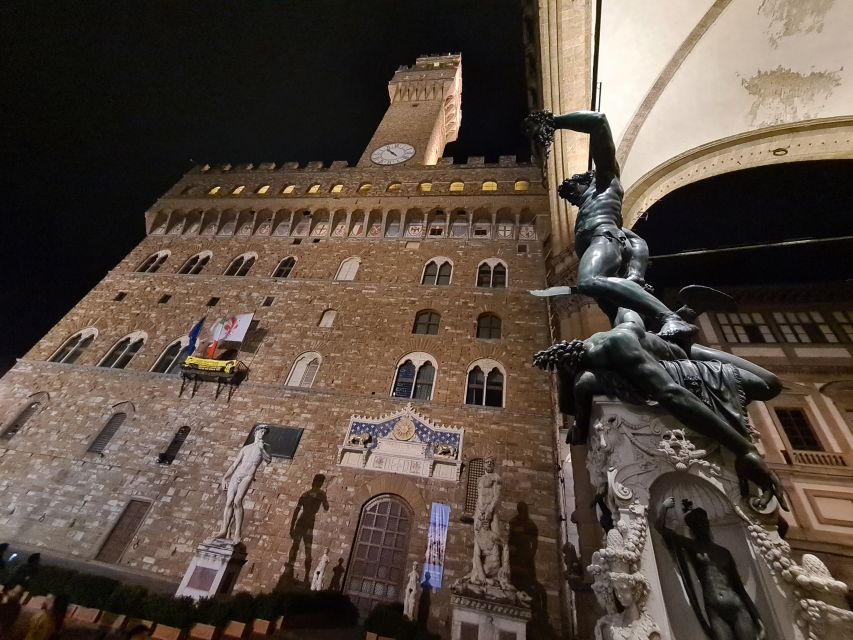
The route continues to Piazza della Signoria and the Loggia della Signoria, two important public spaces in central Florence. These are good stops for understanding how the city’s artistic heritage appears in open air, not only inside churches and museums.
The app can give you a quick explanation of the square and its nearby works. That short format is practical when you are surrounded by things to see and do not want to listen for ten minutes before moving on.
Still, the recordings may not satisfy you if you want a detailed account of every sculpture, political event, or building around the piazza. You will get the most from this stop by using the audio as a prompt, then spending time looking at the architecture and public art yourself.
A different way to spend the same Florence day:
- Florence: Skip-The-Line Uffizi Gallery Timed Entry Ticket
★ 4.5 · 27,832 reviews - Tuscany Day Trip from Florence: Siena, San Gimignano, Pisa and Lunch at a Winery
★ 5.0 · 21,634 reviews - Florence: Timed Entrance Ticket to Michelangelo’s David
★ 4.6 · 16,983 reviews - Florence: Michelangelo’s David Skip-the-Line Entry Ticket
★ 4.5 · 12,764 reviews
Palazzo Strozzi and Florence’s Renaissance families
Palazzo Strozzi adds a palace stop to a route otherwise weighted toward churches. It helps broaden the picture of Florence, since the city’s art and architecture were shaped not only by religious institutions but also by powerful families.
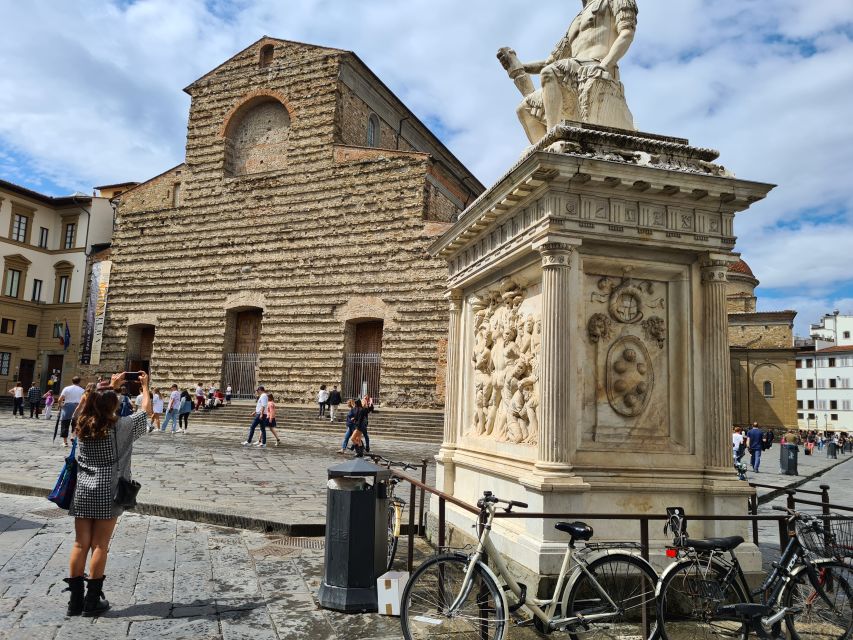
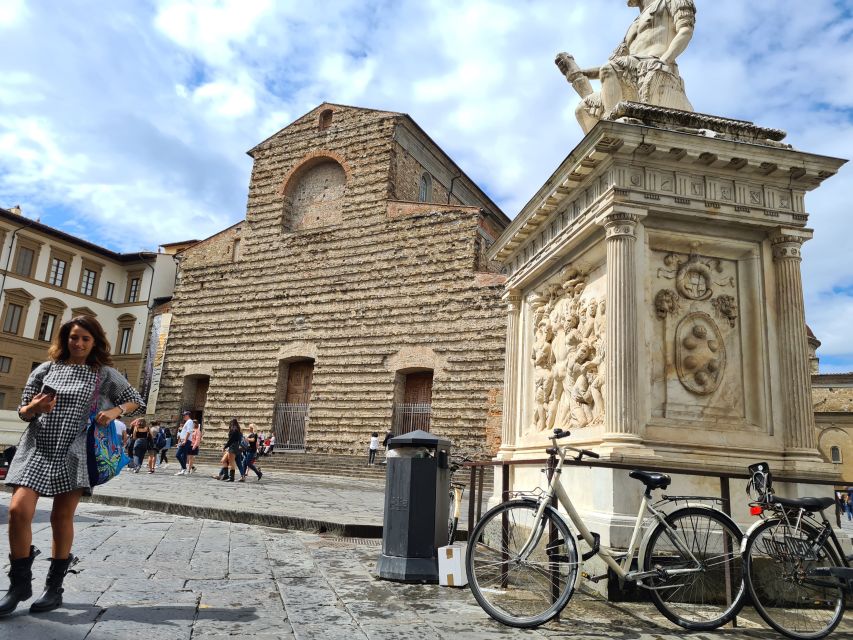
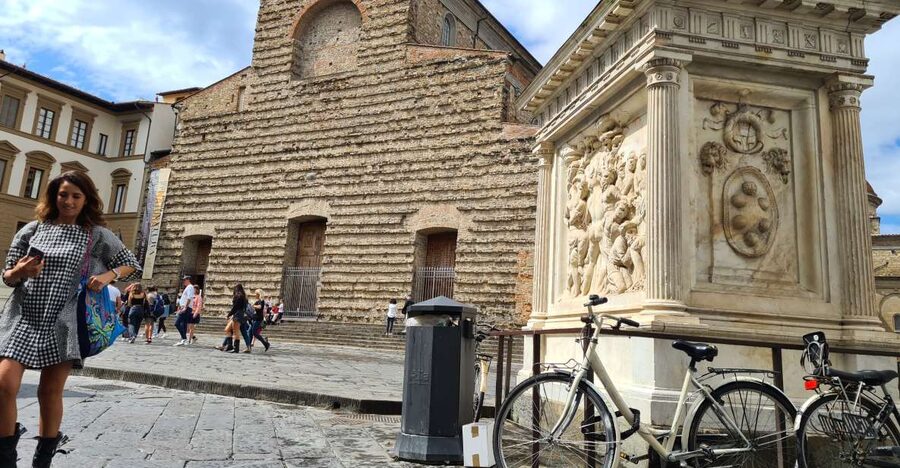
The itinerary also points you toward the Basilica of San Lorenzo and the Medici Chapels. This makes the family connection more direct. San Lorenzo is closely linked with the Medici world, while the chapels provide another major stop for visitors interested in sculpture, design, and the names associated with the Renaissance.
The audio descriptions refer to artists including Michelangelo, Donatello, Benedetto da Maiano, Brunelleschi, and Benvenuto Cellini. That list gives you a useful sense of the people the route aims to introduce.
You should keep your expectations measured. The app does not promise extended lectures on each artist, and the recordings last no more than two minutes. If you already know Florence’s art history, you may find the commentary repetitive or too basic. If you are new to the subject, the short introductions can help you recognize why a building or artwork matters.
Santa Croce and the Medici Chapels
Santa Croce is another major church on the route. Like the Duomo and San Lorenzo, it is best approached with a little time to look around rather than rushing from audio point to audio point.
The route also includes the Medici Chapels, one of the most useful additions for anyone who wants more than a simple walk past Florence’s main squares. These stops strengthen the tour’s focus on Renaissance art and the city’s leading families.
A key practical point is that the product is not an admission package. You do not receive tickets with the audio guide. That means you need to check the entrance arrangements for any interior site you want to visit, while the audio itself remains available as your walking commentary.
One criticism worth taking seriously is that the program can focus heavily on interiors. If your plan is mainly an outdoor stroll, you may find that some descriptions do not match what you most want to hear. The app is a better fit for someone who plans to enter several churches than for someone interested only in façades, streets, and viewpoints.
From historic Florence to the Opera House
The route extends to the Nuovo Teatro dell’Opera delle Cascine, Florence’s modern Opera House and a sign of the city’s outward-looking side. This gives the experience a broader arc. You are not stopping with medieval and Renaissance monuments, but moving toward a more modern cultural building.
That contrast is useful. Florence can easily become a parade of old stones, famous names, and church interiors. The Opera House reminds you that the city also has a present-day cultural life.
The available information does not provide a detailed account of every turn or the exact time spent at each point. Use the digital map as your guide and allow extra time if you want to pause, take photos, or visit interiors. The six-hour duration gives you room, but your actual day will depend on your walking speed and the places you enter.
How the Itguides app works on the street
The audio guide is delivered through the free Itguides app. Before beginning, download the app and try its free demo. This is the best way to confirm that the controls and presentation suit you before paying.
You should download all the audio content over reliable Wi-Fi or with a strong cellular signal before setting out. A phone-based tour is only useful if the material is ready when you reach the monument. Preloading the content also lets you keep your attention on the city instead of stopping to solve a connection problem.
The app includes a digital map and geo-routing. These features can help you find the next point of interest, but they do not turn the experience into a live walking guide. You will still need to watch your route and decide where to pause.
The recordings are available in Italian, English, French, and German. Select your language before you begin and check the demo if you are unsure how the audio starts at each location.
Why the short recordings can work, and when they do not

The biggest strength of the format is speed. A recording of two minutes is easy to fit into a busy day, especially when you are standing outside a major building and want a useful explanation before moving on.
Short audio also suits families and independent visitors who do not want to keep up with a group. You can stop for cappuccino, take a wrong turn, or spend longer at one artwork without holding anyone else back.
The same format is also the main weakness. A short paragraph cannot explain the full story of the cathedral, the political role of the Medici, or the work of several major artists in much detail. One user found the dialogue too brief, and that is a fair concern if you already have a strong background in Florence.
I see this as a basic orientation tool, not a replacement for a specialist art guide. It gives you a starting point, names important artists, and helps connect the monuments. You should bring a guidebook or another source if you want fuller explanations.
Price, flexibility, and the real value at $4.70
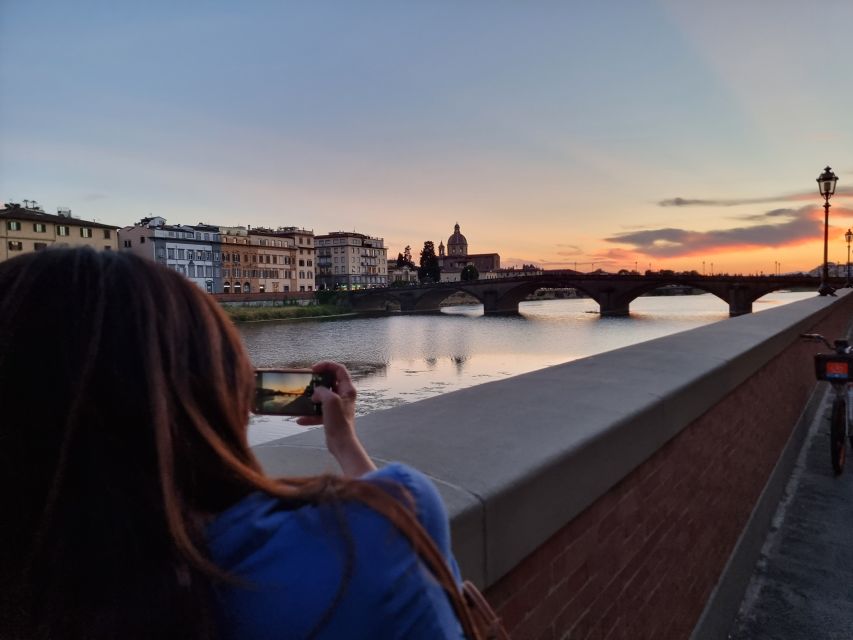
At $4.70 per person, this is one of the less expensive ways to add commentary to a day in Florence. The low cost matters because you are paying for the app and audio, not a live guide, tickets, transport, or a private group experience.
The value is strongest when you want independence. You can start where you like, follow the stops in any order, and listen from one location if you prefer. You can even use the material from your hotel after seeing the sights, though that turns the product into an audio reference rather than a walking tour.
The value is weaker if you expect a long, detailed narration at every stop. The overall rating is 3.3 from 55 ratings, which fits the mixed picture: the flexible order and useful basic information work well, while the limited length and church-focused material can disappoint.
Free cancellation up to 24 hours before the activity and a reserve-now, pay-later option add flexibility. Still, download the content before your visit and test the demo first. That small step can prevent a frustrating start.
Accessibility and planning your six-hour walk
The activity is listed as wheelchair accessible. The route itself is self-guided, so you are not tied to a group’s pace or a fixed meeting point. You can choose when to pause and how much of the route to complete.
The supplied details do not explain the surface, slope, or interior access at every stop. If you need specific access information for a particular church or monument, check that site separately before visiting.
There is no meeting point. You start wherever you want, which is convenient if you are already near the Duomo, Santa Maria Novella, or another listed stop. It also means you must orient yourself rather than wait for a guide to gather the group.
Who should choose this Florence audio tour
I would choose this app if you want a cheap and flexible first look at Florence. It suits independent adults, couples, and families who prefer to move at their own speed and do not want a fixed schedule.
It is also useful for someone visiting the city for a short time who wants a list of the major art and church sites. The route covers the Duomo, Baptistery, bell tower, Santa Maria Novella, Piazza della Signoria, Palazzo Strozzi, San Lorenzo, Santa Croce, the Medici Chapels, and the Opera House.
I would think twice if you want detailed commentary, a personal guide, or substantial information about streets and outdoor spaces. The short scripts may feel too light, especially if you already know Florence’s history. You may also be disappointed if you mainly want to walk outside and hear about façades, since much of the material concerns church interiors.
Should you book this self-guided Florence tour?
Book it if you want a low-cost audio companion, can prepare the app before leaving, and value freedom more than depth. The geo-routing, digital map, four language choices, and no-meeting-point setup make it easy to fit into your own day.
Skip it if you expect a full six-hour lecture or detailed guidance at every monument. For $4.70, it is a reasonable orientation tool, but you should pair it with your own reading if Renaissance art is the main reason you came to Florence.
FAQ
Where does the Florence smartphone tour start?
There is no required meeting point. You can begin wherever you want because it is a self-guided tour delivered through the Itguides smartphone app.
How long does the audio tour last?
The stated duration is six hours. The individual audio descriptions last no more than two minutes, so the six-hour period includes walking, sightseeing, pauses, and any visits you make along the route.
How many audio descriptions are included?
The tour includes more than 35 audio descriptions. More than half of them focus on the Cathedral of Santa Maria del Fiore and its related buildings.
Which languages are available?
You can use the audio guide in Italian, English, French, or German.
Do I receive entrance tickets?
No. Tickets are not included, so you must arrange and pay for admission separately where a site requires it.
Which Florence sights are covered?
The route includes the Basilica of Santa Maria del Fiore, the Baptistery, Giotto’s Bell Tower, Santa Maria Novella, Piazza della Signoria, the Loggia della Signoria, Palazzo Strozzi, the Basilica of San Lorenzo, the New Sacristy, Santa Croce, the Medici Chapels, and the Nuovo Teatro dell’Opera delle Cascine.
Do I need to download an app?
Yes. The audio guide is provided through the free Itguides app. You can try a free demo before buying.
Should I download the audio before visiting Florence?
Yes. The instructions advise downloading all content using Wi-Fi or a strong cellular signal before starting the visit.
Is the tour wheelchair accessible?
Yes, the activity is listed as wheelchair accessible. The available information does not give detailed access conditions for each individual monument, so check separately for any specific interior you plan to enter.
Latest additions around Florence
- Florence: Cathedral Tour & Brunelleschi’s Dome Climb Ticket★ 5.0 · 3 reviews
- Palatina Gallery and Pitti Guided Tour in Florence★ 5.0 · 3 reviews
- Florence Uffizi Gallery Skip-the-line Tour w Art Historian Guide★ 5.0 · 3 reviews
- Private Tour: Pisa and Lucca from Florence★ 5.0 · 3 reviews
- San Gimignano Bike Tour (SOFT)★ 4.5 · 3 reviews
- Florence: Tour of Florence by rickshaw★ 5.0 · 3 reviews
- Center of Florence by golf cart★ 5.0 · 3 reviews
- The David from Michelangelo.★ 5.0 · 3 reviews
Self-Guided Tours, compared.
Uffizi Priority Ticket & Masterpieces Audio App
Read our review →
Michelangelo’s David Entrance Ticket and Audio App
Read our review →
Uffizi & Accademia Priority Tickets with Audio App
Read our review →
Eco-Friendly Golf Cart City Tour with Audio Guide
Read our review →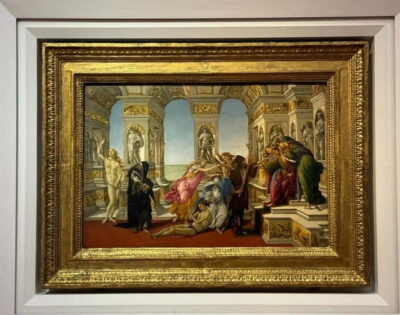
Uffizi Skip-the-Line Ticket & Digital Audio Guide
Read our review →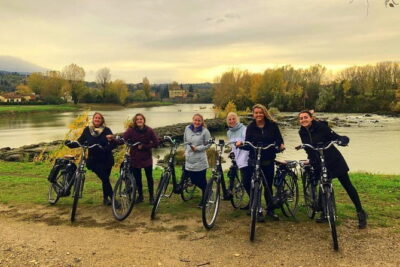
Private Self-Guided E-Bike Ride in Tuscany with Vineyard Visit
Read our review →
Florence Duomo Cathedral with Host & Audio Guide (Interior Only)
Read our review →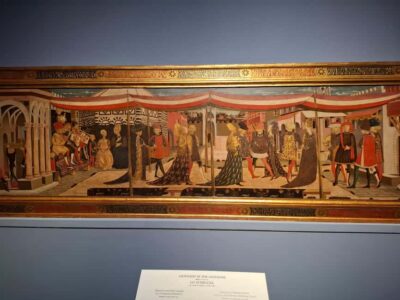
Accademia Gallery Ticket with Optional Audio Guide
Read our review →Browse the lists this tour appears in