Reviewed · TOURS
Florence: Museo Galileo Small Group Tour
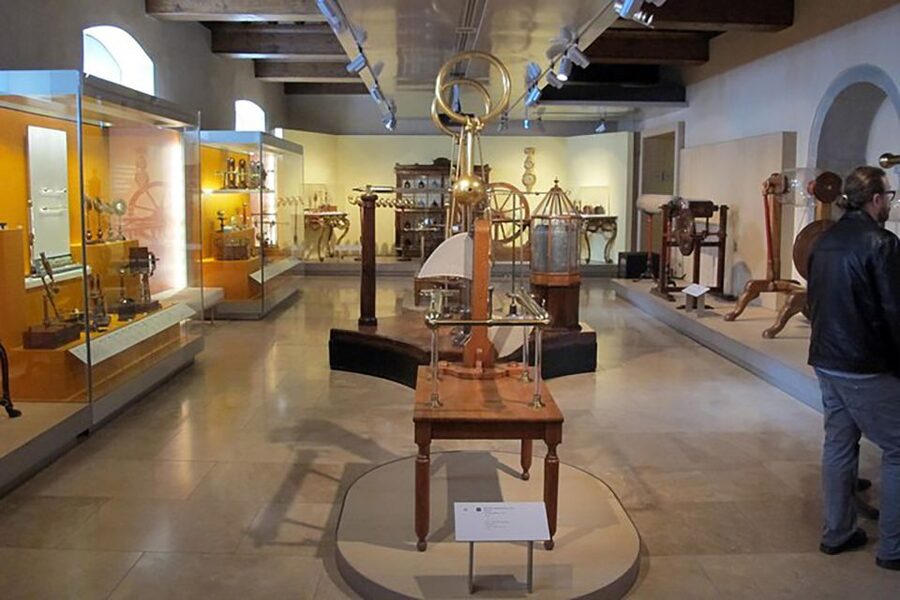
Galileo’s original telescopes and lenses are the stars here. At Florence’s Museo Galileo, you get close to the tools he used while studying the sky, including the instruments linked to his discovery of Jupiter’s moons. I like the nine-person limit, which keeps the tour personal, and I like having time to remain in the museum after the guided visit. The main drawback is the price: at $108 per person for 90 minutes, this is a serious supplement to your Florence sightseeing budget.
The guide makes a real difference. Elizabeth has led visitors through the museum with clear explanations and plenty of context, while Ivan helped make one visit especially engaging. The meeting point can vary by booking option, so check your reservation carefully and arrive with comfortable shoes, identification, and no large luggage.
In This Review
- Key points about the Museo Galileo tour
- Why Galileo’s instruments matter in Florence
- The 90-minute route through the museum
- What the guide adds to the experience
- The best reasons to stay after the guided visit
- Is $108 a fair price?
- Who will enjoy this Florence museum tour?
- Languages, access, and what to bring
- Flexible booking for a changing Florence schedule
- My advice for getting the most from the visit
- Should you book the Museo Galileo small-group tour?
- FAQ
- How long does the Museo Galileo tour last?
- How many people are allowed in the small group?
- What languages are available?
- Is museum admission included?
- Can I stay in the museum after the tour?
- Does the tour include skip-the-ticket-line entry?
- Is the museum wheelchair accessible?
- What should I bring?
- Can I bring a pet or large bag?
- Can I cancel for a refund?
Key points about the Museo Galileo tour
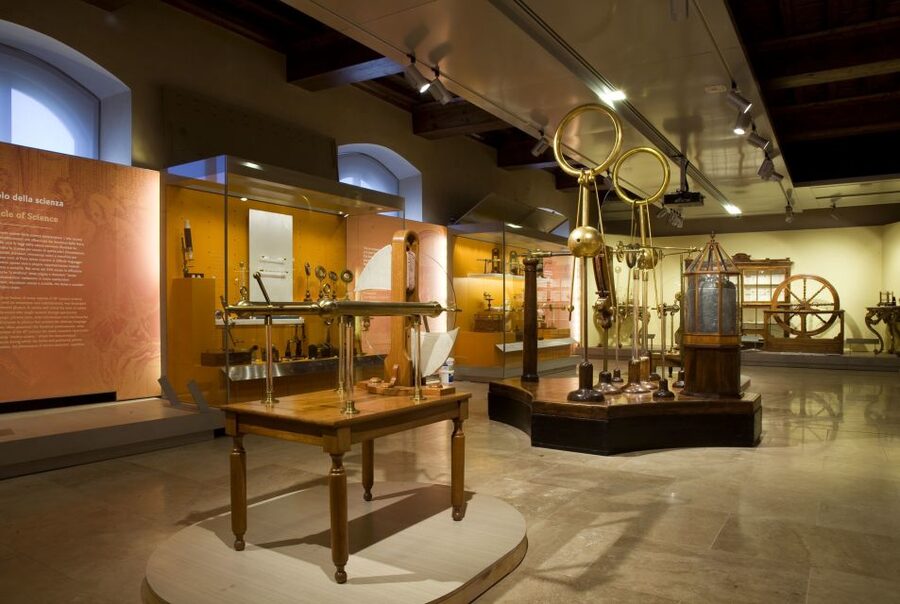
- Galileo’s working instruments: See original telescopes and lenses connected with his study of Jupiter’s moons.
- A nine-person maximum: The small group size gives you a better chance to follow explanations and ask questions.
- A focused 90-minute visit: The tour offers a useful introduction without taking an entire day from Florence.
- Three guide languages: Tours are offered in English, Italian, and Spanish.
- Stay after the tour: Once the guided portion ends, you can continue looking around the museum on your own.
- Practical access: The museum is wheelchair accessible, and the tour includes admission and skip-the-ticket-line entry.
Why Galileo’s instruments matter in Florence
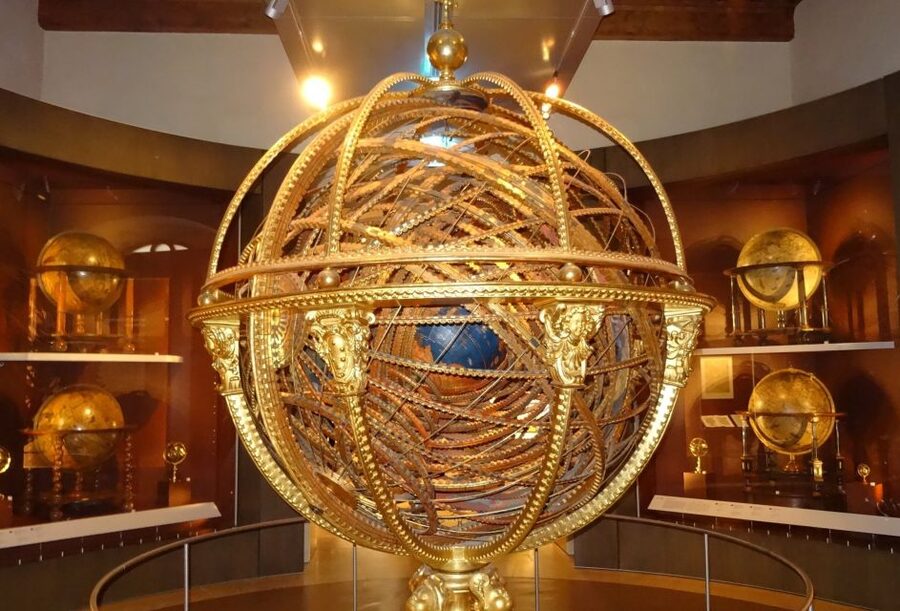
Florence is full of famous art, but the Museo Galileo gives you a different way to understand the city. This is not simply a room of old objects. It shows how people measured time, studied the heavens, tested ideas, and built instruments to make sense of the natural world.
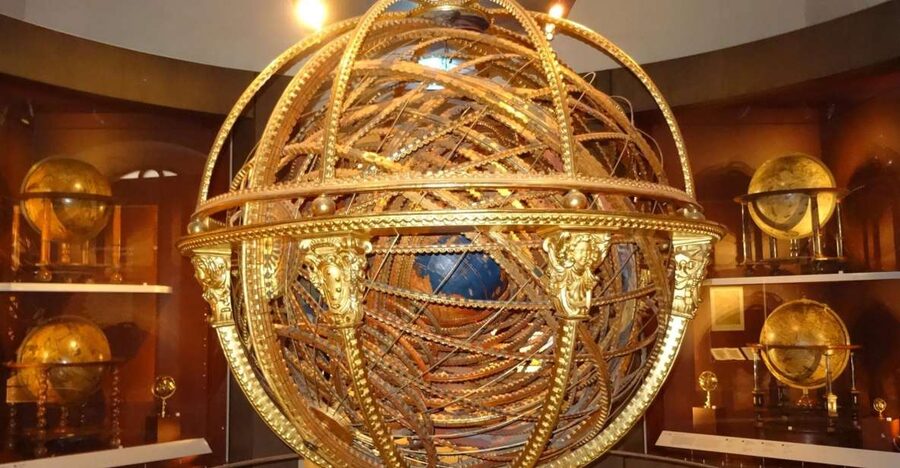
Galileo is the clear draw. His telescopes and lenses are not modern replicas made for display. They are original scientific tools connected with his observations of the sky. Seeing them in person gives the story a physical scale. You are looking at the devices that helped turn distant points of light into objects that could be studied.
The reference to Jupiter’s moons is especially important. Galileo’s observations challenged the old idea that everything in the heavens revolved around Earth. The museum lets you connect that major change in scientific thinking with the small, carefully made instruments that helped reveal it.
I like this kind of museum because it puts science in human hands. You see the tools, the limits of the period, and the patience required to draw conclusions from what appeared through a lens. A guide can make that connection much clearer than a quick solo walk past display cases.
Other Florence outings people weigh against this one:
- Florence: Skip-The-Line Uffizi Gallery Timed Entry Ticket
★ 4.5 · 27,832 reviews - Tuscany Day Trip from Florence: Siena, San Gimignano, Pisa and Lunch at a Winery
★ 5.0 · 21,634 reviews - Florence: Timed Entrance Ticket to Michelangelo’s David
★ 4.6 · 16,983 reviews
The 90-minute route through the museum
The tour lasts about an hour and a half. That is long enough to give the museum a proper introduction, but short enough to fit around a morning in Florence, an afternoon appointment, or an evening meal.
Your official guide leads the visit and explains the museum’s role in preserving and presenting the history of science. You can expect the guide to focus on key instruments and the larger ideas behind them rather than simply naming objects as you pass.
The most important stop is the collection of Galileo’s original tools. Telescopes and lenses help tell the story of his observations, including his work on Jupiter’s moons. You will want to pay attention to the explanation here, since the value of the display comes from knowing what these instruments allowed Galileo to see and why those observations mattered.
The museum itself is described as an institution devoted both to scientific instruments and to research, documentation, and public education about science. That means the visit is not limited to one famous person. Galileo gives you an entry point, while the wider collection places his work within the development of scientific study.
A 90-minute tour cannot explain every object in a museum devoted to the history of science. That is both its strength and its limit. You receive a guided framework, then have the option to stay longer and examine more of the displays independently.
What the guide adds to the experience
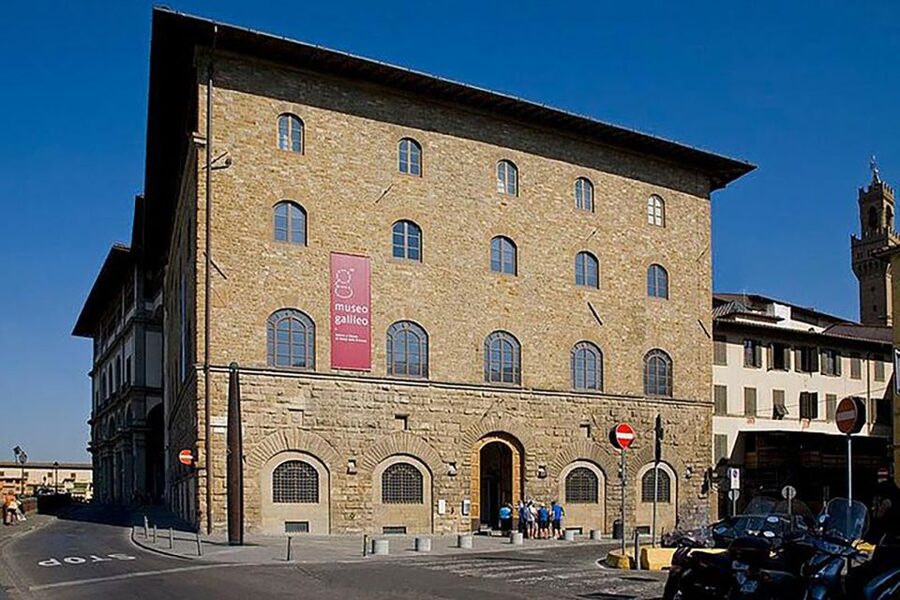
I would choose the guided option over entering alone if you have only one visit to the museum. Scientific instruments can be difficult to understand at a glance. Their shape may be beautiful, but without context you may not know what a device measured, how it worked, or why it changed the way people thought.
The guide’s job is to turn the collection into a story. Elizabeth, who led one small group, was praised for explaining details that would have been easy to miss while keeping the group interested. That is exactly the role you want here: not a lecture packed with dates, but a clear explanation of how an instrument connects to a discovery.
Another visit was helped by Ivan, with Rebecca and Beatrice managing the arrangements. That detail suggests a useful practical point: the people handling the visit can affect how smoothly the experience begins, while the museum guide shapes the substance of the tour. Your assigned guide may be different, so do not book on the assumption that a specific person will lead every departure.
The group is limited to nine participants. That is small enough to make the guide easier to hear and to give you a better chance to ask about an object. It also avoids the feel of a large procession moving from case to case.
Still, a small group does not guarantee a private tour. You share the 90 minutes with other people, and the pace will be set by the guide and the group. If you already have a strong background in Galileo or the history of science, you may want to use the guided hour and a half as an introduction, then spend your remaining time studying the displays that interest you most.
The best reasons to stay after the guided visit
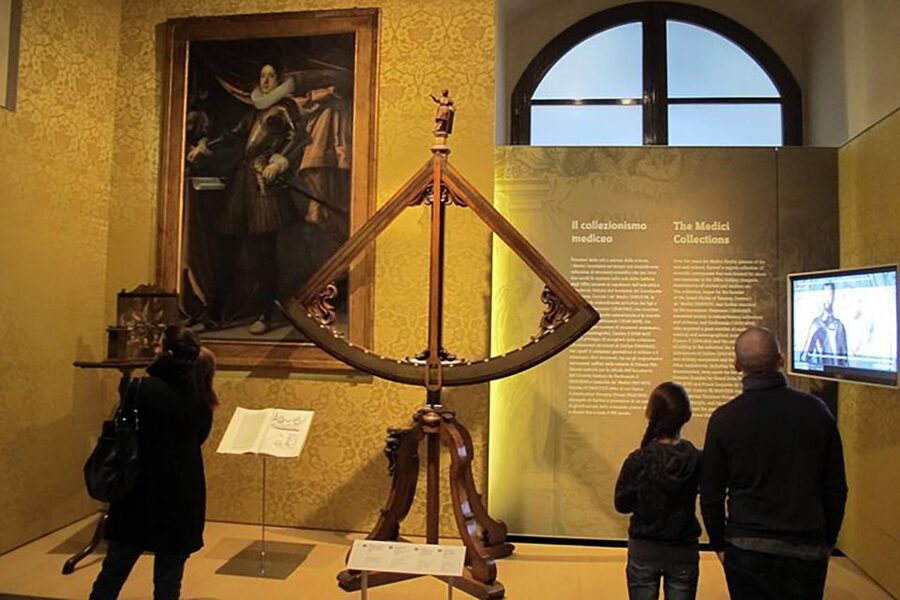
The included tour is only the first part of the museum experience. After it ends, you may remain inside for as long as you like. This matters because the guided route gives you the main story, while independent time lets you slow down.
I would use the extra time in three ways:
- Return to Galileo’s instruments and look again at their construction.
- Revisit objects the guide mentioned but could not explain at length.
- Walk through the museum at your own pace instead of following a set route.
No additional activity is promised after the tour, so think of this as open museum time rather than a second guided program. The advantage is freedom. You are not forced to leave just because the official tour has ended.
If science museums are not normally your first choice, the guided portion may be enough. If you enjoy instruments, astronomy, or the origins of scientific ideas, staying longer makes the $108 cost easier to justify. You get more than a quick introduction and can turn the visit into a longer museum stop.
A different way to spend the same Florence day:
- Florence: Michelangelo’s David Skip-the-Line Entry Ticket
★ 4.5 · 12,764 reviews - The Best tour in Florence: Renaissance & Medici Tales – guided by a STORYTELLER
★ 5.0 · 12,316 reviews - Florence: Leonardo Interactive Museum Entry Ticket
★ 4.5 · 11,763 reviews - The Best Tour in Florence: Renaissance and Medici Tales
★ 5.0 · 10,810 reviews
Is $108 a fair price?
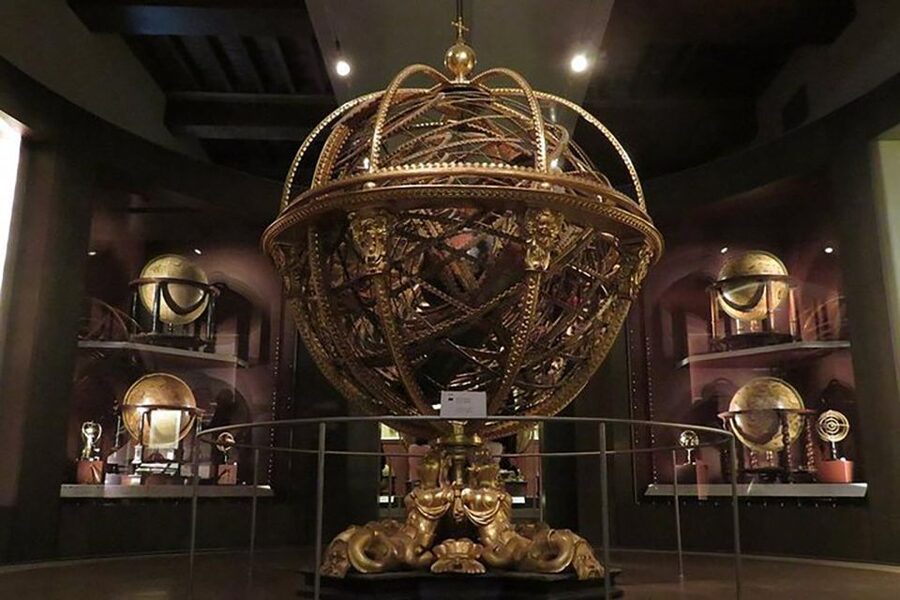
The price is $108 per person. That includes museum admission, the official guide, the guided tour, and skip-the-ticket-line entry. The tour lasts 90 minutes, and the small group has no more than nine participants.
That is not a cheap museum visit. You are paying for a guided experience rather than simply buying entry. The value depends on how much explanation you want and how important Galileo is to your Florence plans.
I see the price working best for three kinds of visitors. First, it suits anyone who wants the major ideas explained without spending time researching the museum before arrival. Second, it works for visitors who dislike large groups and want a quieter, more direct visit. Third, it can make sense if you have limited time and want a clear route through a museum that might otherwise feel difficult to read.
The price is harder to defend if you plan to spend only a short time looking at the exhibits or if you prefer to read everything alone. The museum gives you the option to stay afterward, which helps, but the cost remains a consideration for families or larger groups.
The skip-the-ticket-line feature also has practical value. Florence can make even a simple museum stop take more time than expected. Skipping the ticket line does not turn the visit into a private experience, but it helps protect your sightseeing schedule.
Who will enjoy this Florence museum tour?
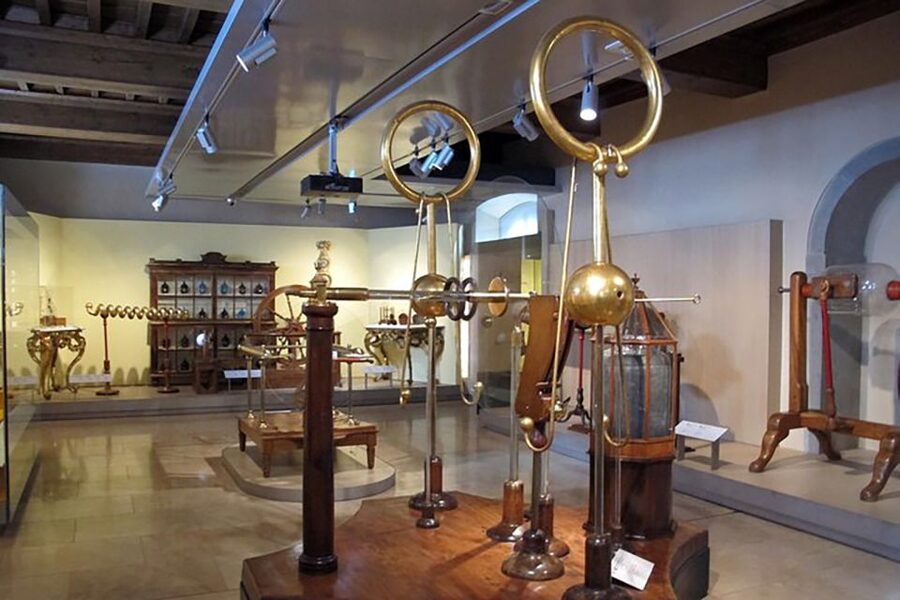
This is a strong choice for adults and older children who like astronomy, inventions, and the story of how people tested ideas. You do not need to be a science expert. The point of the guide is to explain the objects and show why they matter.
It also suits history-minded visitors who want to see a side of Florence beyond paintings, churches, and sculpture. Galileo’s work connects art, craft, observation, and debate. The instruments are scientific, but they also show the skill required to make precise objects in an earlier age.
The tour may be less satisfying if you want a broad, hands-on science center or a highly interactive family attraction. The information provided describes a museum of scientific instruments and a guided historical visit. It does not promise experiments, workshops, or demonstrations.
I would also think twice if you dislike fixed schedules. The duration is set at 90 minutes, and the guide controls the pace. The benefit is a focused visit. The tradeoff is less freedom during the guided section.
Languages, access, and what to bring
Live guiding is available in English, Italian, and Spanish. Select the language that lets you follow technical explanations most comfortably. A museum about lenses and astronomy is much easier when you can ask questions and understand the answers without strain.
The museum is wheelchair accessible. That is useful for visitors who need step-free access, though the supplied details do not describe every doorway, lift, or restroom. If you have specific mobility needs, confirm the arrangement before booking.
Bring a passport or ID card. Comfortable shoes are also sensible, since the visit takes 90 minutes and you may choose to remain afterward.
Pets, smoking, luggage, and large bags are not allowed. Plan to arrive without bulky items. This is especially important if you are moving through Florence with suitcases or a large day bag.
The meeting point may vary depending on the option you book. Do not rely on a general map pin alone. Read the meeting instructions attached to your specific reservation so you know where the guided portion begins.
Flexible booking for a changing Florence schedule
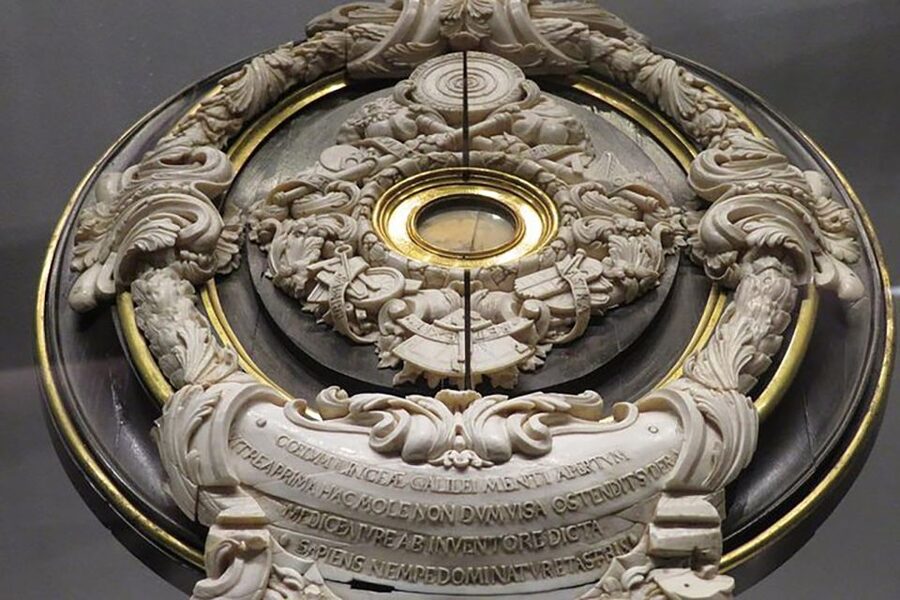
You can cancel up to 24 hours in advance for a full refund. That gives you some protection if your Florence plans shift, your train schedule changes, or you decide to rearrange your museum days.
The reserve-now, pay-later option also keeps money out of the booking until later. It does not change the tour itself, but it can help when you are building a busy Italy itinerary and want to hold a place before every detail is fixed.
Check the available starting times before committing. The duration is fixed at 1.5 hours, but departure times depend on availability. Fit the tour around meals, other museum reservations, and your time in central Florence.
My advice for getting the most from the visit
Read a little about Galileo before you go, but do not turn the visit into homework. Knowing that his telescopes helped him study Jupiter’s moons is enough to give the instruments meaning when you see them.
Arrive ready to listen. The most useful part of the tour is likely to be the explanation of what the instruments did and how they supported new ideas. If you rush ahead or focus only on taking photos, you may miss the reason these objects are important.
Use the guide’s 90 minutes as a map. Make a mental note of the displays you want to revisit, then stay afterward if your schedule allows. The independent time is where you can look closely without needing to keep pace with the group.
If you are booking for a mixed group, explain the focus in advance. Someone who loves astronomy may want every detail, while another person may be more interested in the craftsmanship or the story of scientific change. The museum can serve both interests, but the guide will naturally shape the visit around the central themes.
Should you book the Museo Galileo small-group tour?
Book it if you want Galileo’s instruments explained by a guide, prefer a group capped at nine, and value a focused introduction to a museum that could be difficult to understand on your own. The original telescopes and lenses, the connection to Jupiter’s moons, and the chance to remain inside afterward make this more than a quick ticket stop.
Skip it if $108 feels too high for a 90-minute guided visit or if you want a fully independent museum experience. The price is the main obstacle, not the museum’s subject.
For most science fans, curious families, and visitors seeking a different side of Florence, I would put this on the short list. Go in expecting a carefully guided look at Galileo and the development of scientific instruments, not a large interactive attraction. That expectation matches what the visit does best.
FAQ
How long does the Museo Galileo tour last?
The guided tour lasts 1.5 hours, or 90 minutes.
How many people are allowed in the small group?
The group is limited to nine participants.
What languages are available?
The live tour guide is available in English, Italian, and Spanish.
Is museum admission included?
Yes. Museum entrance fees are included in the activity price.
Can I stay in the museum after the tour?
Yes. After the guided tour ends, you may remain in the museum for as long as you like.
Does the tour include skip-the-ticket-line entry?
Yes. Skip-the-ticket-line entry is included.
Is the museum wheelchair accessible?
Yes. The Museo Galileo is wheelchair accessible.
What should I bring?
Bring a passport or ID card and wear comfortable shoes.
Can I bring a pet or large bag?
No. Pets, smoking, luggage, and large bags are not allowed.
Can I cancel for a refund?
Yes. You can cancel up to 24 hours in advance for a full refund.
Latest additions around Florence
- Florence: Cathedral Tour & Brunelleschi’s Dome Climb Ticket★ 5.0 · 3 reviews
- Palatina Gallery and Pitti Guided Tour in Florence★ 5.0 · 3 reviews
- Florence Uffizi Gallery Skip-the-line Tour w Art Historian Guide★ 5.0 · 3 reviews
- Private Tour: Pisa and Lucca from Florence★ 5.0 · 3 reviews
- San Gimignano Bike Tour (SOFT)★ 4.5 · 3 reviews
- Florence: Tour of Florence by rickshaw★ 5.0 · 3 reviews
- Center of Florence by golf cart★ 5.0 · 3 reviews
- From Firenze | Chianti day tour in a classic car★ 5.0 · 3 reviews
Tours, compared.

The Best tour in Florence: Renaissance & Medici Tales – guided by a STORYTELLER
Read our review →
The Best Tour in Florence: Renaissance and Medici Tales
Read our review →

Florence Accademia Gallery Tour with Entrance Ticket Included
Read our review →
SMALL-GROUP Wine Safaris: Tuscan Wine Tasting Tours from Florence
Read our review →