
Reviewed · FLORENCE FOOD TOURS
Florence: Grocery Market Food Tour and Tastings with a chef
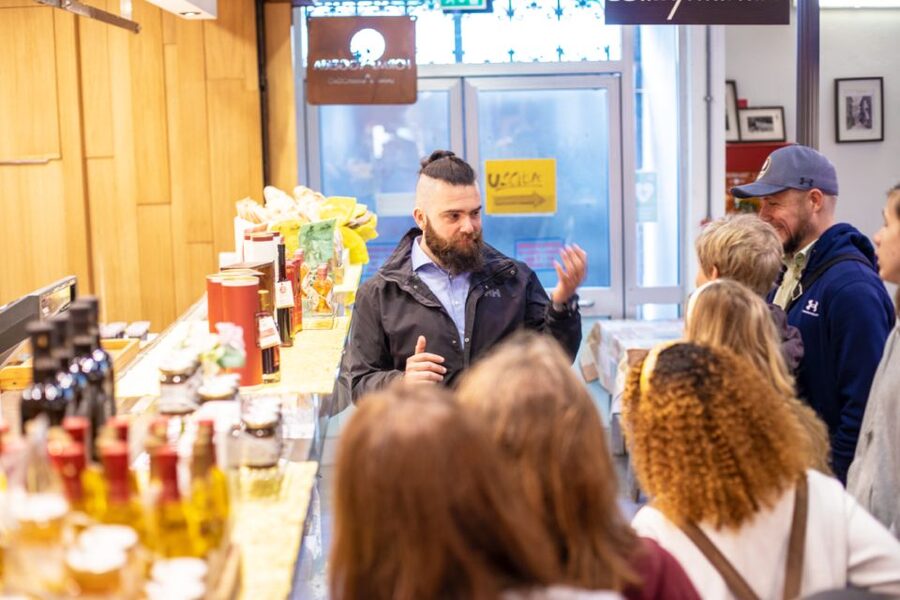
Sant’Ambrogio Market is where this food tour earns its keep. Instead of treating Florence’s cuisine as a list of restaurant dishes, you see the ingredients, vendors, and everyday shopping habits behind it. You’ll move from an espresso bar to market stalls, a delicatessen, a wine shop, and a gelateria, eating your way through the neighborhood.
I like the local-chef perspective, especially because the chef guide grew up in the Sant’Ambrogio district. I also like the mix of tastings, from finocchiona and regional cheeses to pappa al pomodoro, wine, bruschetta, and gelato. The main consideration is that the food changes with the day’s offerings, so you should expect a genuine market experience rather than a fixed menu.
In This Review
- Key points at a glance
- Why Sant’Ambrogio is a smart food-tour setting
- Starting with espresso in Florence
- Browsing the produce stalls
- Tuscan cold cuts at the salami shop
- Cheese, formaggi, and the craft behind them
- A warm dish at the neighborhood delicatessen
- Two wines and bruschetta at a small wine shop
- Gelato as the final course
- How much food do you actually get?
- The guide can make or break the experience
- Is $79 a fair price?
- Who should book this food walk?
- Practical advice before you go
- Should you book this Sant’Ambrogio food tour?
- FAQ
- Where does the food tour meet?
- How long does the tour last?
- What language is the tour offered in?
- Is hotel pickup included?
- What foods are included?
- Is wine included?
- Can the food be changed for allergies or intolerances?
- Are young children allowed?
Key points at a glance
- Sant’Ambrogio Market: See where Florentines shop for produce and everyday foods in a market at the heart of the city.
- Chef-led tasting route: Learn about Tuscan cooking from a local chef, with Matteo named as a guide on recent tours.
- Several savory stops: Try prosciutto, salami, finocchiona, cheese, and prepared market dishes.
- Wine beyond the market: Walk through the Sant’Ambrogio neighborhood to a small wine shop for red and white wine with bruschetta.
- A sweet finish: End with Italian gelato and a choice of classic or less common flavors.
- Three hours on foot: The pace suits visitors who want a substantial food outing, not a quick snack stop.
Why Sant’Ambrogio is a smart food-tour setting
Florence has plenty of food tours, but the neighborhood matters. Sant’Ambrogio gives you a look at the working side of Florentine food culture. The market is not presented as a grand museum. It is a place where fresh produce arrives, locals shop, and stalls sell the ingredients used in Tuscan kitchens.
That setting helps you understand dishes that can seem simple on a menu. Pappa al pomodoro, for example, depends on good tomatoes, bread, olive oil, and careful seasoning. When you see the produce stalls first, a bowl of this humble soup makes more sense. The same goes for cured meats and cheese. You are not just sampling them in isolation. You are seeing where they fit into daily meals.
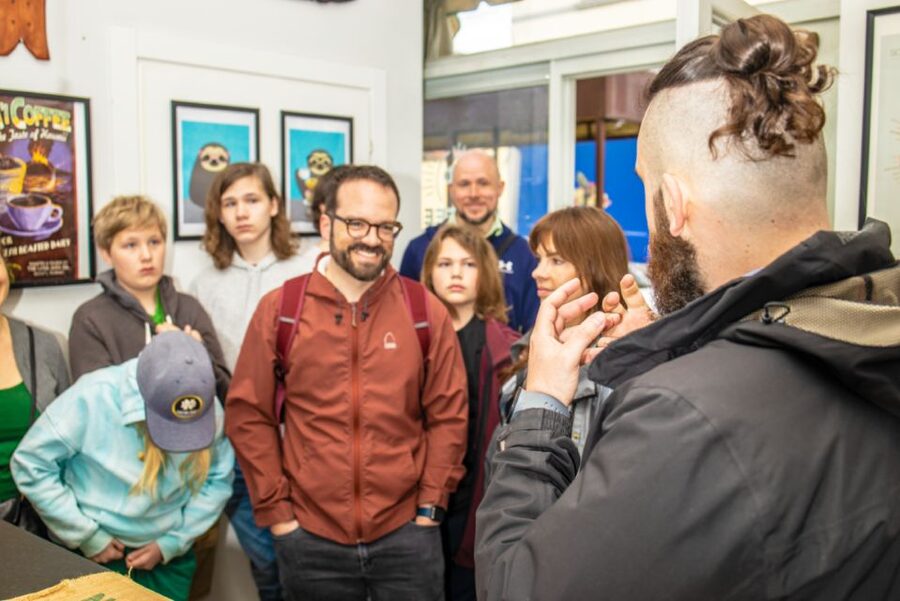
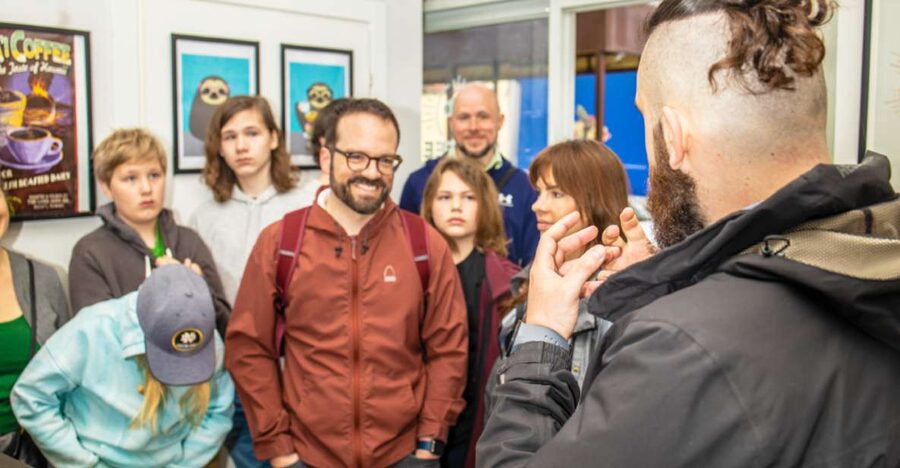
The chef guide adds useful context. This is not simply a guide pointing out famous products. The tour is built around someone connected to Sant’Ambrogio and familiar with Tuscan cooking. Matteo has led recent tours, and his style has been described as funny, personable, and strong on food and wine culture. Guide assignments can vary, but the chef-led format is the important part.
More Florence food crawls:
- Florence Pizza or Pasta Class with Gelato Making at a Tuscan Farm
★ 5.0 · 6,801 reviews - Winner 2025 Florence Sunset Food & Wine Tour by Eating Europe
★ 5.0 · 5,015 reviews - Cooking Class and Lunch at a Tuscan Farmhouse with Local Market Tour from Florence
★ 5.0 · 4,831 reviews
Starting with espresso in Florence
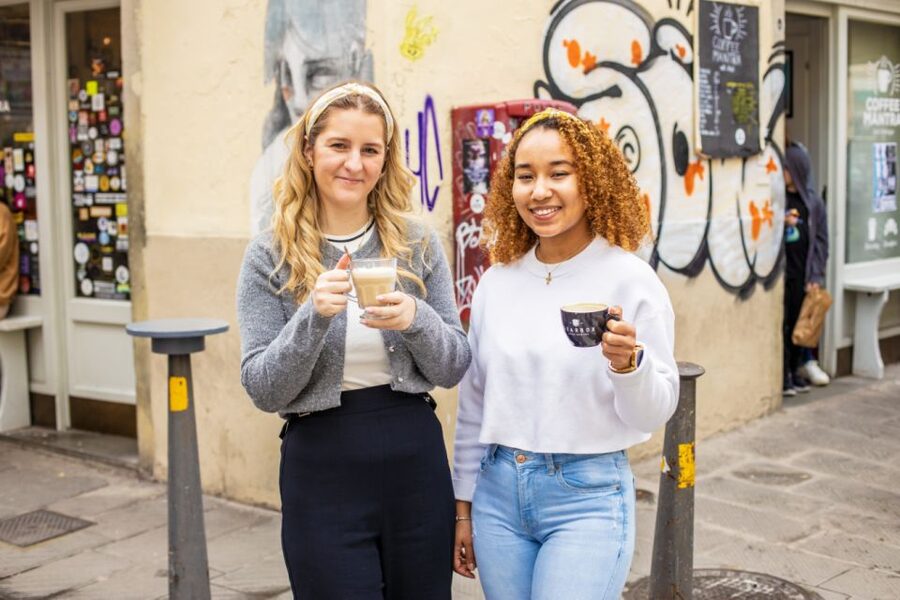
The food begins with a small but fitting ritual: espresso. You meet at the Ciaofoodies Hub at La Cucineria, on Via della Mattonaia, 19R, then start with coffee before working through the market.
This opening helps set the tone. In Italy, coffee is often quick and social rather than a large drink meant to occupy a table for an hour. Your espresso gives you a first taste of local habits before the longer food stops begin.
You should arrive ready to walk and eat at a steady pace. The coffee itself is only scheduled for about 15 minutes, so it is a brief introduction rather than a sit-down breakfast. If you need a substantial meal first, plan ahead, since the tour builds from small tastes toward heartier portions.
Browsing the produce stalls
The first major section takes you through Sant’Ambrogio Market, where stalls display fresh produce from across Tuscany. You join ordinary shoppers as you move among farmers’ stands and learn which foods matter in the region.
This is one of the tour’s strongest features because it gives you visual and practical context. You can see the raw materials before tasting finished dishes. Depending on the season and the market’s supply, the exact produce will vary. That uncertainty is part of the appeal, though it also means you should not expect every tour to look identical.
A chef can point out how local ingredients are used, but the supplied details do not promise a formal cooking demonstration or a market shopping session. Think of this portion as guided food orientation. You will look, taste, and learn how to recognize staples of Tuscan cuisine.
The market visit lasts about an hour and a half within the broader food route. Since you are on foot and stopping repeatedly, comfortable shoes are sensible. There is no hotel pickup or drop-off, so you are responsible for reaching the meeting point in central Florence.
Tuscan cold cuts at the salami shop
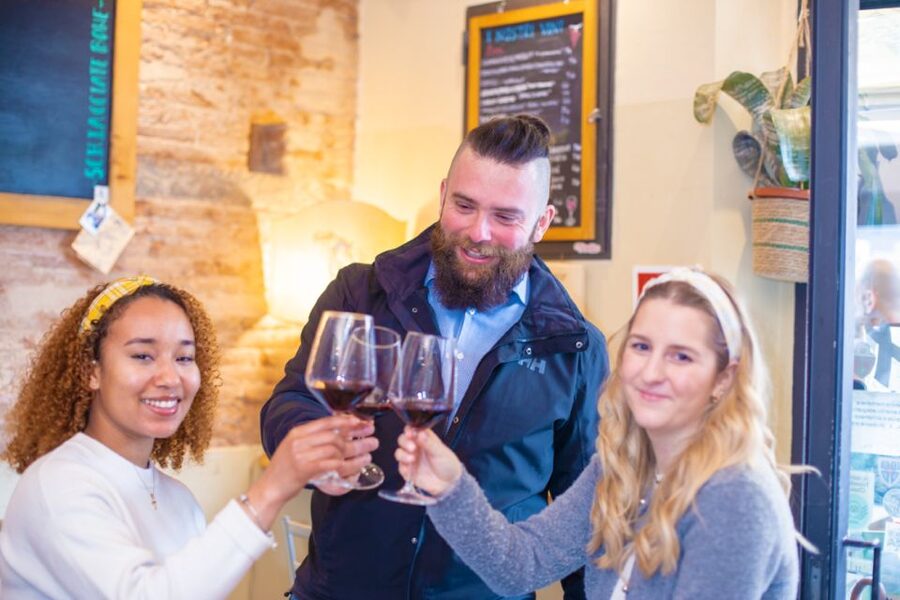
The salami stop focuses on some of Tuscany’s best-known cured meats. You may taste classic prosciutto, salame, and finocchiona, a Tuscan salami seasoned with fennel.
Finocchiona is especially useful to try with a guide because its fennel flavor gives it a clear identity. If you normally think of salami as one broad category, this stop shows how seasoning and regional custom can change the taste. Prosciutto offers a softer, more delicate contrast, while salame brings a firmer texture.
This is a tasting, not a full meal by itself. The number and size of samples are not specified, and the food can vary. If you do not eat pork, you should ask about alternatives before booking. The tour description specifically asks you to report food allergies or intolerances when you reserve, which is important for a route built around meats, cheese, bread, and prepared dishes.
More Florence options worth a look before you decide
- Small Group Cooking Class & Market Food Tour in Florence
★ 5.0 · 1,574 reviews - Pasta and Tiramisu Cooking Class with optional Local Market Tour
★ 5.0 · 515 reviews - Florence: Cooking Class with Local Food Market Tour
★ 4.9 · 407 reviews - Florence Central Market Food Tour with Eating Europe
★ 5.0 · 224 reviews
Cheese, formaggi, and the craft behind them
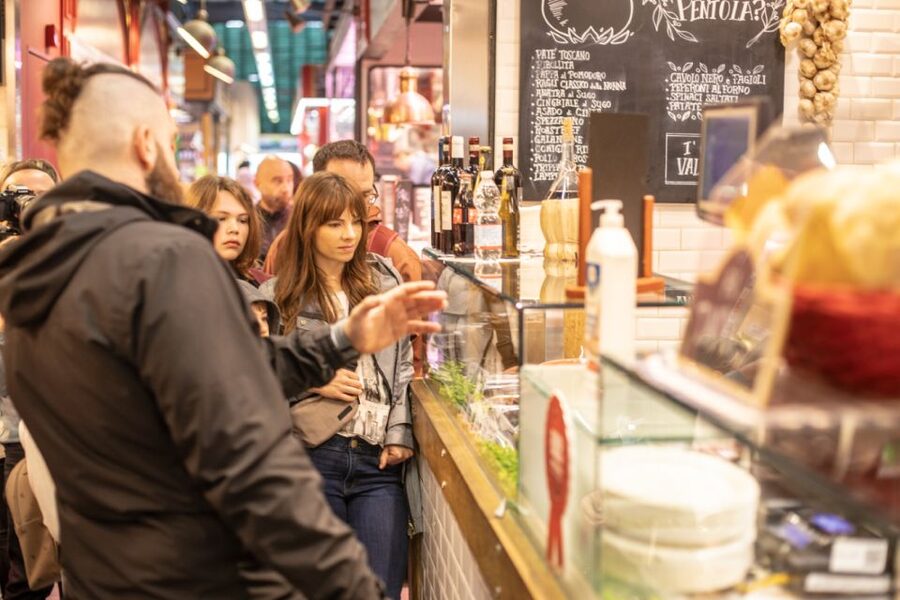
After the cured meats, you visit a cheese stall and sample local formaggi. The value here is comparison. Cheese can taste very different depending on age, milk, texture, and production method, and a chef guide can explain what you are trying as you go.
The experience does not list specific cheeses, so you should not book expecting a named flight of particular varieties. Instead, you will taste what the stall and the day provide. That approach keeps the stop tied to the market rather than turning it into a rehearsed menu.
I like that the cheese comes after the salami. You can begin to think about how Tuscan foods are served together, perhaps with bread, wine, or other simple accompaniments. The tour is not only about identifying ingredients. It is about understanding how a few well-made products can form a meal.
A warm dish at the neighborhood delicatessen
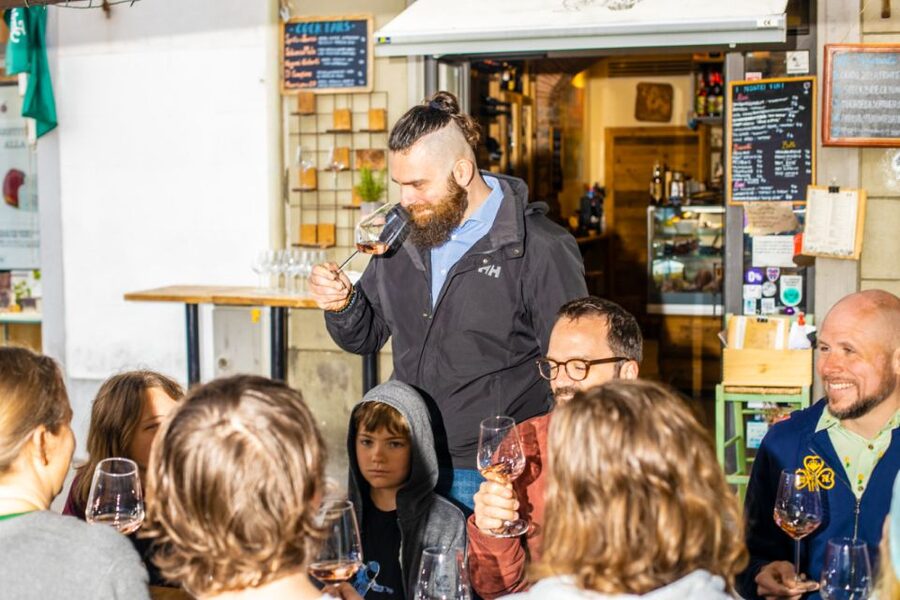
The most substantial food stop is at a local delicatessen. You sit at the counter and try dishes of the day, with examples including pappa al pomodoro, brasato, and francesina.
Pappa al pomodoro is a classic Tuscan bread and tomato dish. Brasato is braised meat, while francesina is a Florentine-style preparation associated with leftover boiled beef in a tomato-based sauce. Together, these examples show a side of Tuscan food that is more homestyle than polished.
You also receive a glass of house wine here. That makes the stop feel like lunch rather than another quick sample. The schedule allows about 30 minutes for this portion, although the wider food route gives the market section much more time.
The catch is that dishes of the day are not guaranteed. If you have your heart set on pappa al pomodoro, it may or may not be available. I see that as a reasonable tradeoff for eating from a working delicatessen, but it is worth knowing before you book.
Two wines and bruschetta at a small wine shop
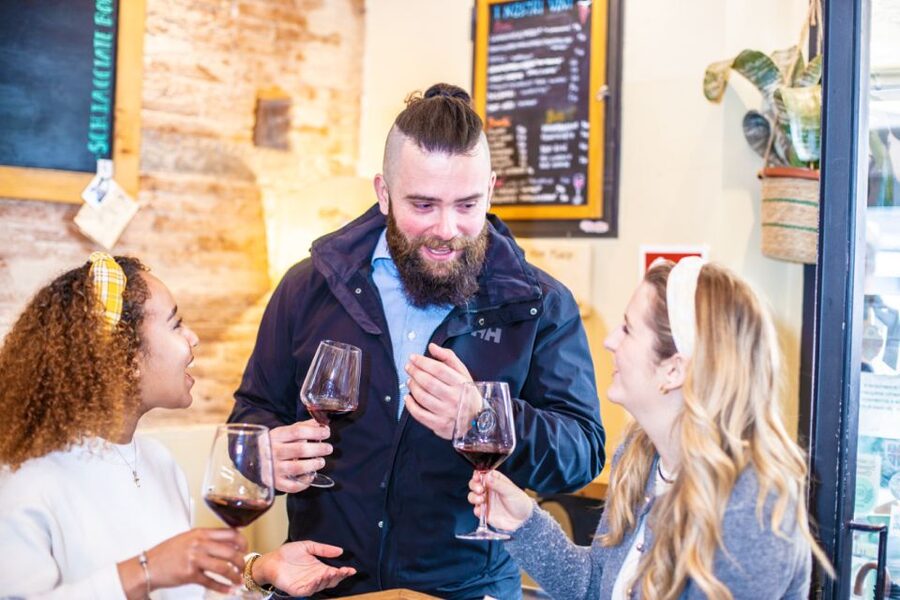
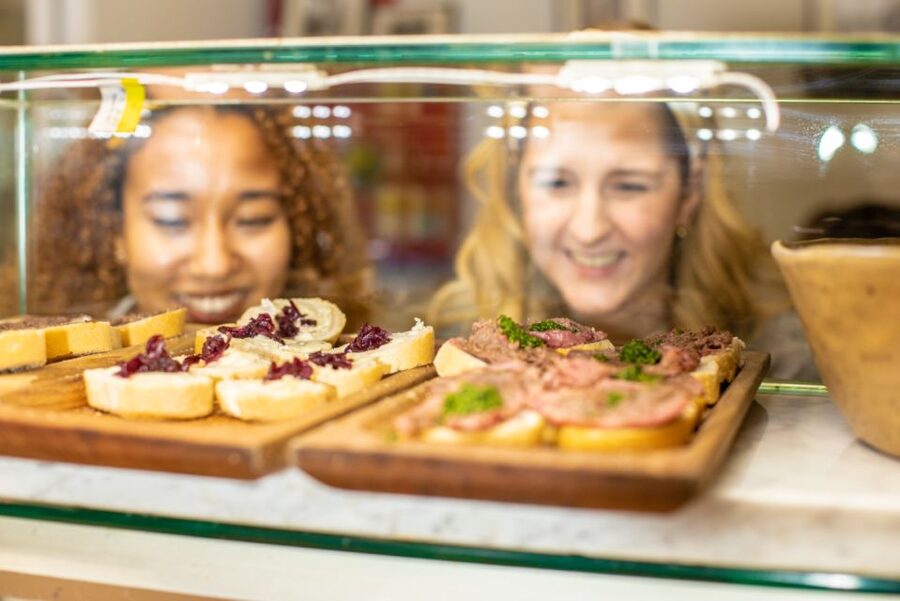
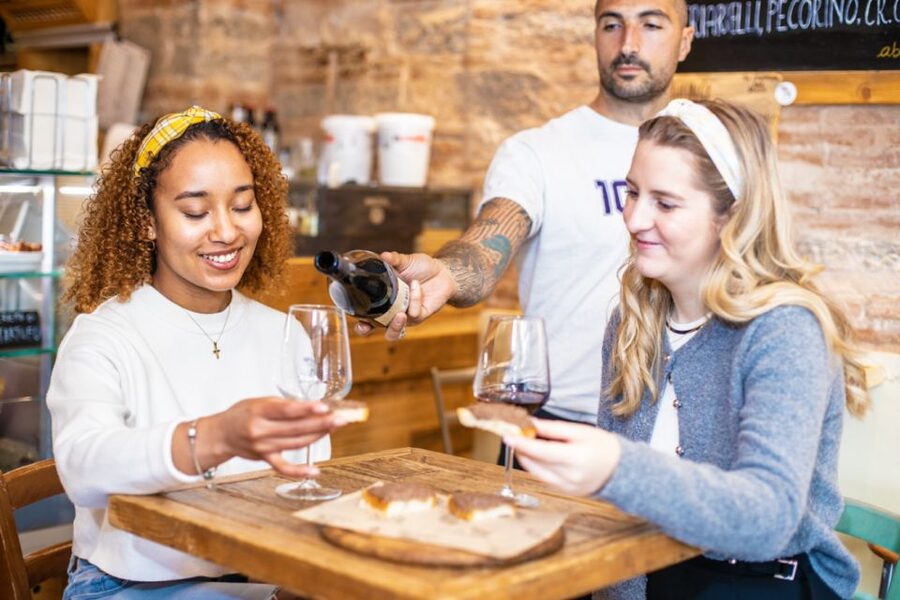
After leaving the market, you take a short walk through the Sant’Ambrogio neighborhood to a small wine shop. There, you taste one red wine and one white wine, paired with two bruschettas or crostoni.
This stop gives the tour a change of setting. The market introduces ingredients and shopping. The delicatessen shows prepared food. The wine shop lets you slow down and consider how Tuscan wines fit with bread and simple toppings.
The tasting lasts about 30 minutes, with a 15-minute walk included elsewhere in the route. The wines are described as two of the best local wines, but no labels or regions are specified. You should treat this as a broad introduction, not a technical wine class.
The pairing is also intentionally simple. Bruschetta and crostoni let the wine remain part of the conversation without adding another complicated dish. If you are looking for a serious winery visit or a large tasting flight, this will be too modest. If you want a friendly introduction during a Florence visit, it fits well.
Gelato as the final course
The last taste is gelato. You choose your favorite gusti, including classic flavors or some less common options.
This is a cheerful finish, but it also has practical value. Gelato is one of the foods many people associate with Italy, and a guided stop can help you try something beyond the safest choice. The tour does not specify the gelateria, flavor list, or serving size, so the exact ending depends on the shop and the day.
The gelato comes after coffee, cured meat, cheese, a warm dish, wine, and bruschetta. You should expect to feel well fed by the end. If you are sensitive to large amounts of food or prefer to graze lightly, this tour may be more than you need. The three-hour format is better for someone who wants food to be the main event of the morning or afternoon.
How much food do you actually get?
The experience includes all listed tastings, but it does not promise exact portions. You receive espresso, salami, cheese, market dishes, wine, bruschetta or crostoni, and gelato. The warm delicatessen stop and the house wine make it more filling than a route based only on tiny samples.
I would not schedule a major dinner immediately afterward. The precise amount depends on the dishes available, the guide, and the group’s pace, but the stated stops add up to a full food outing.
The changing menu is worth keeping in mind. Market produce and dishes of the day are not fixed attractions. You gain freshness and local character, but you give up certainty. If you have strict dietary needs, send the details at booking and confirm them with the operator.
The guide can make or break the experience
A food market is easy to visit on your own. The reason to pay for this tour is the person leading it.
Matteo is specifically praised for being funny, personable, and well informed about Tuscan food and wine traditions. He has also provided restaurant suggestions, which can be useful when you still have several days in Florence. One recent tour was a small outing for a couple, while another included children from ages 9 to 17 who enjoyed it. Group size is not stated as a fixed feature, so do not assume every departure will be private or tiny.
The tour is offered in English with a live guide. That matters at a market, where the useful information is often in quick explanations about ingredients, shopkeepers, and local habits rather than in a long formal lecture.
Is $79 a fair price?
At $79 per person, the price is reasonable if you plan to eat your way through Florence anyway. You are paying for three hours of guiding, a chef’s perspective, a walking route, multiple food tastings, espresso, two wines, bruschetta, a warm market dish, and gelato.
The value depends on how you use it. A visitor who already knows Florence’s markets, shops, and wine bars may prefer to spend the money independently. But finding several good stops, ordering enough variety, and understanding what you are tasting can take time and trial. The fee bundles that work into one outing.
There is no transportation included, and you do not receive hotel pickup or drop-off. Since the route is in central Florence and takes place on foot, that is not a major weakness. Still, include the walk to Via della Mattonaia when planning your day.
Who should book this food walk?
I would recommend it most strongly to first-time Florence visitors who want a quick education in Tuscan eating. It is also a good choice if you enjoy markets but feel unsure about what to buy or order.
Families with children aged 8 and older can consider it, especially if the children are comfortable tasting unfamiliar foods. A recent group with children from 9 to 17 enjoyed the experience. The operator does not accept children under 8, so families should check ages carefully.
Food-focused couples and small groups are another good match. The route moves through several stops without requiring a full cooking class. You get conversation, neighborhood walking, and plenty to eat.
You may want to skip it if you dislike cured meat, cheese, wine, or gelato, since those foods form much of the route. It is also not ideal for someone seeking a fixed menu, a formal wine lesson, or hotel transportation.
Practical advice before you go
Tell the operator about allergies or intolerances when booking. This is especially important because the food comes from market stalls and daily dishes, and the exact offerings can change.
Wear comfortable shoes and arrive hungry, but not starving. The experience begins with espresso, then builds through several savory tastings before reaching wine and gelato. You will spend the outing walking and standing as well as sitting.
Keep your afternoon flexible if you want to follow the guide’s restaurant suggestions. Matteo has offered dining advice during recent tours, but the included experience itself ends at Cucineria La Mattonaia.
The activity allows cancellation up to 24 hours before the start for a full refund, and you can reserve now and pay later. Check the available start times when booking, since the tour lasts about three hours and exact departure times vary.
Should you book this Sant’Ambrogio food tour?
Book it if you want a guided introduction to everyday Tuscan food, with enough variety to turn a market visit into a satisfying meal. The best reasons are the local chef connection, the Sant’Ambrogio setting, and the wide spread of tastes from finocchiona to gelato.
Think twice if you need guaranteed dishes, strict dietary flexibility, or a private group. The menu changes, the tour is conducted in English, and group size is not fixed in the supplied details.
For most food-loving visitors, $79 is a fair price for three hours of eating, walking, and useful local guidance. It is not just a market stroll, and it is not a formal cooking class. It sits in the middle, giving you a practical taste of Florence that can help you order and shop with more confidence afterward.
FAQ
Where does the food tour meet?
The meeting point is the Ciaofoodies Hub at La Cucineria, Via della Mattonaia, 19R, Florence.
How long does the tour last?
The experience lasts about three hours.
What language is the tour offered in?
The live tour guide conducts the experience in English.
Is hotel pickup included?
No. Hotel pickup and drop-off are not included, so you need to reach the meeting point yourself.
What foods are included?
The tastings include espresso, Tuscan cured meats such as prosciutto, salami, and finocchiona, local cheeses, market dishes, bruschetta or crostoni, and gelato.
Is wine included?
Yes. The tour includes wine tasting, with one red and one white wine served at a small wine shop, plus a glass of house wine at the delicatessen.
Can the food be changed for allergies or intolerances?
You should inform the operator about food allergies or intolerances when booking. The foods tasted may vary depending on the dishes available that day.
Are young children allowed?
Children under 8 are not permitted on the tour. A recent group included children aged 9 to 17.
More Shopping Tours in Florence
- The Original Florence Street Food & Market Tour (by Streaty)
★ 5.0 · 158 reviews - Florence Cooking Course with Historic Local Market Visit
★ 4.5 · 151 reviews - Tuscan Cooking Course with Florence Central Market Visit
★ 4.6 · 101 reviews - Florence: Market to Table Cooking Lesson
★ 4.6 · 96 reviews
Latest additions around Florence
- Florence: Cathedral Tour & Brunelleschi’s Dome Climb Ticket★ 5.0 · 3 reviews
- Palatina Gallery and Pitti Guided Tour in Florence★ 5.0 · 3 reviews
- San Gimignano Bike Tour (SOFT)★ 4.5 · 3 reviews
- Florence Uffizi Gallery Skip-the-line Tour w Art Historian Guide★ 5.0 · 3 reviews
- Private Tour: Pisa and Lucca from Florence★ 5.0 · 3 reviews
- Florence: Tour of Florence by rickshaw★ 5.0 · 3 reviews
- Center of Florence by golf cart★ 5.0 · 3 reviews
- From Firenze | Chianti day tour in a classic car★ 5.0 · 3 reviews
Florence Food Tours, compared.
Florence Pizza or Pasta Class with Gelato Making at a Tuscan Farm
Read our review →
Winner 2025 Florence Sunset Food & Wine Tour by Eating Europe
Read our review →
Cooking Class and Lunch at a Tuscan Farmhouse with Local Market Tour from Florence
Read our review →
Cinque Terre Park Day Trip with Optional Street Food
Read our review →
Florence Cooking Class The Art of Making Gelato & Authentic Pizza
Read our review →
Small Group Cooking Class & Market Food Tour in Florence
Read our review →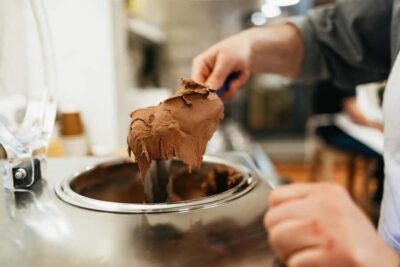
Browse the lists this tour appears in