
Reviewed · MUSEUMS
Florence: Firenze Card Official Museum City Pass
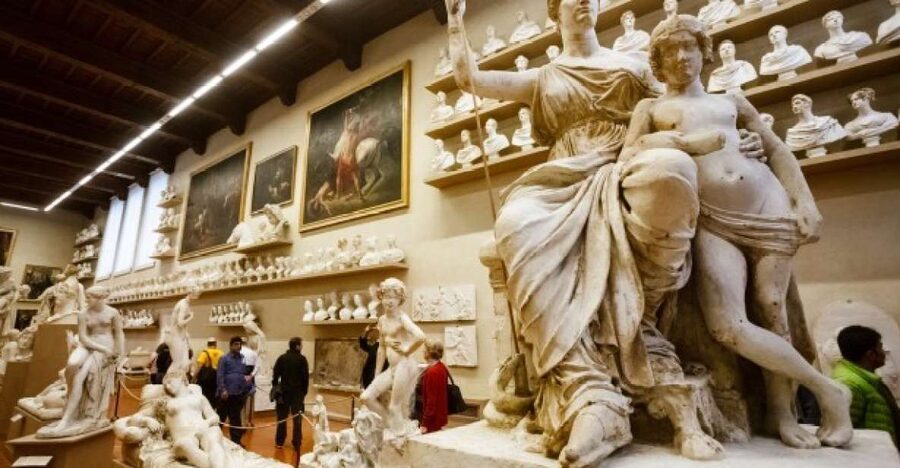
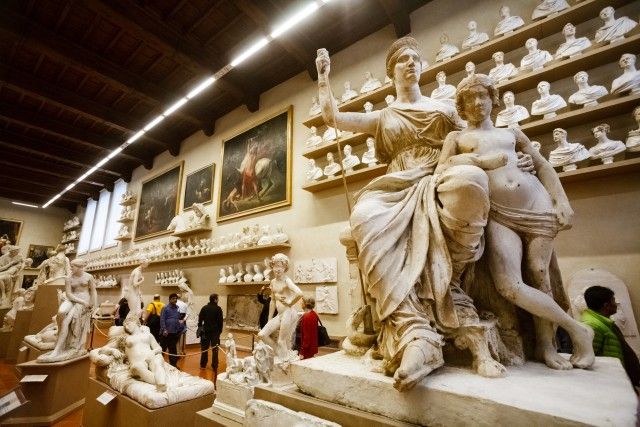
Florence’s official museum pass is most useful when you plan to see several major sights in a short stay. The 72-hour FirenzeCard covers about 60 museums, including the Uffizi Gallery, Accademia Gallery, and Brancacci Chapel, so you can spend your time with art instead of buying separate tickets.
I like the timed-entry help for the Uffizi and Accademia, and I like that children under 18 in your family enter free with a cardholder. The main catch is simple: the Duomo complex and public transportation are not included, and a pass only saves money if you visit several museums.
In This Review
- Key points to know before buying
- What the FirenzeCard actually gives you
- Uffizi Gallery: reserve this before anything else
- Accademia Gallery and Michelangelo’s David
- Brancacci Chapel and the smaller cultural sites
- How to plan the 72-hour clock
- What is not included: the Duomo and transportation
- Does $110 offer good value?
- Picking up the card and handling reservations
- Family use and wheelchair access
- How to get the most from each museum day
- Who should buy the FirenzeCard?
- Should you book the FirenzeCard?
- FAQ
- How long is the FirenzeCard valid?
- Where do I pick up the physical card?
- Do I need my passport or ID card?
- Are the Uffizi and Accademia included?
- Do children under 18 enter free?
- Does the FirenzeCard include the Duomo complex?
- Does the card include transportation?
- Is the card wheelchair accessible?
Key points to know before buying
- The clock starts at first museum entry: Your card is valid for 72 hours from the moment you first use it, not from the day you purchase it.
- The Uffizi and Accademia require reservations: You still need to arrange free time slots for these headline museums, including for children under 18.
- Pick up a physical card in central Florence: Exchange your voucher near Giotto’s Belfry, close to the kiosk and ambulance under a blue flag.
- About 60 museums are included: The card works at major art museums, churches, chapels, and other cultural sites across Florence.
- The Duomo is separate: The cathedral complex and transportation are not covered, so budget for those on their own.
- Best value comes from a full museum schedule: If you visit three or more sites each day, the $110 price can make good sense.
What the FirenzeCard actually gives you
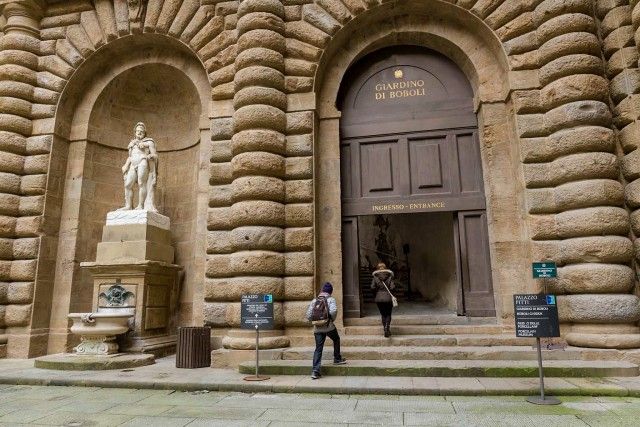
The FirenzeCard is a physical city pass with 72 hours of museum access. You exchange your voucher at the meeting point in front of Giotto’s Belfry, near the kiosk and ambulance under a blue flag, then receive the card in person.
That pickup point is close to Florence’s central sights, but you should not assume the card itself gets you straight into every museum without another step. For the Uffizi Galleries and Accademia Gallery, you must reserve an entry time. This matters because those are the two places most likely to shape your schedule.
The pass includes entrance fees at around 60 Florence museums. That gives you much more freedom than a ticket covering only two or three famous buildings. You can visit a major gallery in the morning, stop at a smaller chapel later, and use the card again when you have an hour to spare.
I find that flexibility especially useful in Florence because the center is compact. You can walk between many sights, and several card-covered museums sit close enough to combine in one day. One practical plan is to place your reserved Uffizi or Accademia visit in the middle of a day, then use the card at smaller sites before or after it.
More museums worth an hour:
- Florence: Skip-The-Line Uffizi Gallery Timed Entry Ticket
★ 4.5 · 27,832 reviews - Florence: Leonardo Interactive Museum Entry Ticket
★ 4.5 · 11,763 reviews - Florence Accademia Gallery Tour with Entrance Ticket Included
★ 4.5 · 6,148 reviews
Uffizi Gallery: reserve this before anything else
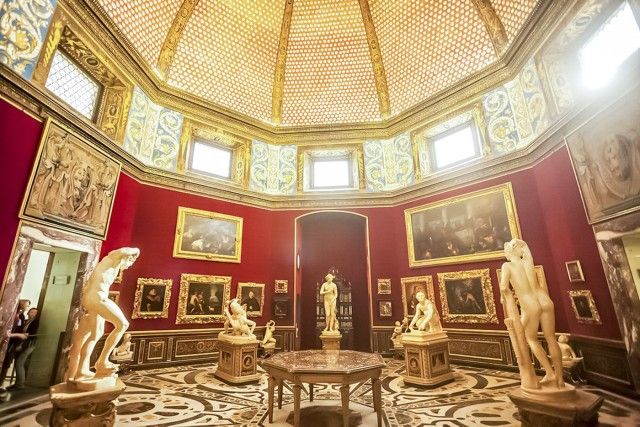
The Uffizi is the card’s biggest draw for many people. Its collection includes some of Florence’s most famous Renaissance paintings, and admission is included in the pass. The value here is not simply avoiding the standard entrance fee. It is having a reserved path into one of Florence’s busiest museums.
You must book a time slot. Do this early in your planning, especially if your dates are fixed. The FirenzeCard makes the reservation free, but it does not remove the need to choose a time.
Allow several hours if you want more than a quick look. The museum can be tiring in hot weather and crowded periods, so your 72-hour clock should leave room for breaks. One useful strategy is to visit the Uffizi early in your three-day period, while you still have time to adjust the rest of your plan.
The card does not make the museum quiet. It helps with ticket access, but once inside, you still face a large collection and busy galleries. If you are mainly interested in a few major works, plan your route instead of trying to see everything.
Accademia Gallery and Michelangelo’s David
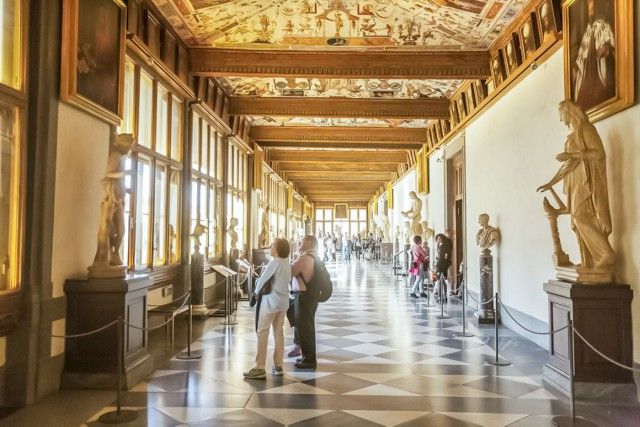
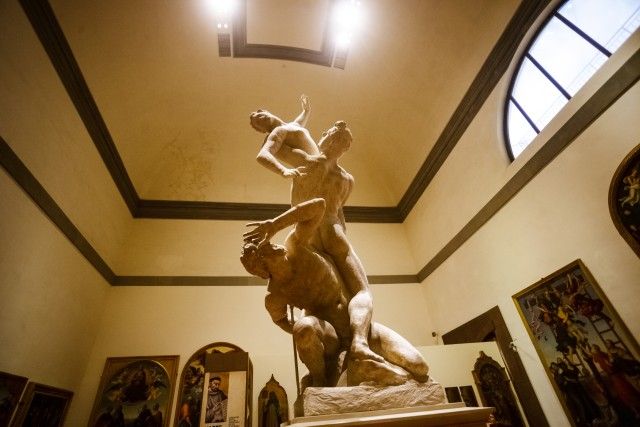
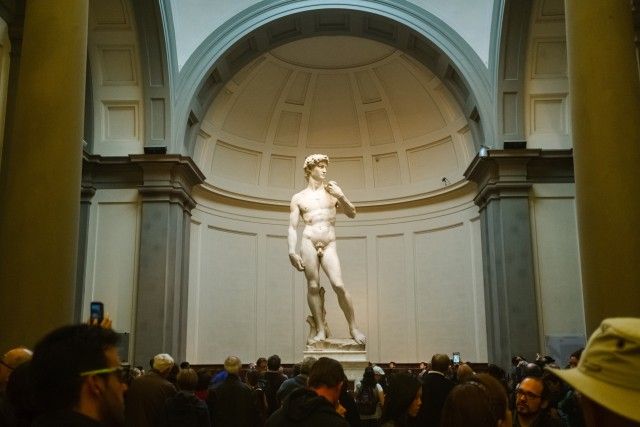
The Accademia is another must-reserve site. It is famous for Michelangelo’s David, but the museum offers more than a single statue. Still, David is the reason many people buy the pass, and a timed entry helps you fit the visit into a tight Florence schedule.
You need to reserve an entry time for yourself and for any under-18 family members using the free child benefit. That detail is easy to miss. A child’s free admission does not mean you can simply arrive without making the required reservation.
The Accademia visit is shorter than the Uffizi for many people, which makes it a good companion to another nearby museum or church. Plan enough time to look beyond the main sculpture, but do not build your whole day around a long visit unless you have a strong interest in its collection.
The gallery can feel crowded, particularly around David. The FirenzeCard helps you avoid the ticket-buying queue, but it cannot guarantee a calm viewing area. Go in with realistic expectations and use the pass to visit a quieter site afterward.
Brancacci Chapel and the smaller cultural sites
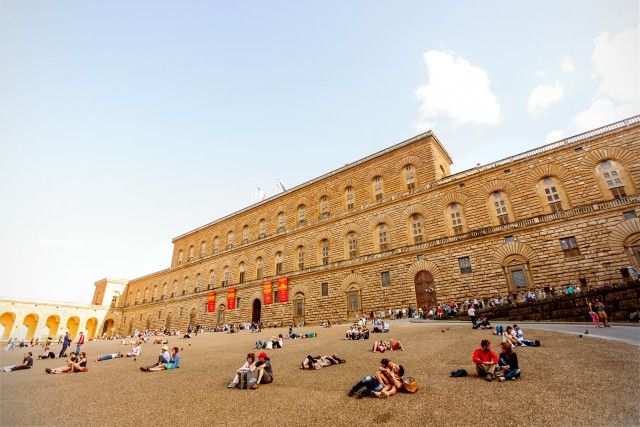
The Brancacci Chapel gives the card a different kind of value. Instead of another giant museum, you get a more focused visit centered on important chapel artwork. This is the sort of place that can be missed when you spend all your energy on the Uffizi and Accademia.
The pass also covers a broad group of museums, churches, chapels, and monuments. The exact appeal will depend on your interests, but the range makes it useful for repeat visitors and anyone who wants more than Florence’s standard three sights.
I like using the card for short visits. You can step into a church or smaller museum for 30 to 60 minutes without feeling that you have wasted a separate admission fee. That changes how you explore the city. Instead of asking if a small site is worth paying for, you can simply go in and see.
Opening times still matter. Some locations may close earlier than others, and a museum pass does not solve a poorly planned day. Check each site’s hours before setting out, then group nearby attractions together.
More Florence options worth a look before you decide
- City Sightseeing Florence Hop-On Hop-Off Bus Tour
★ 3.5 · 1,894 reviews - Florence: Eco-Friendly Golf Cart City Tour with Audio Guide
★ 4.6 · 1,094 reviews - Florence in a Day: Michelangelo’s David, Uffizi and Guided City Walking Tour
★ 4.5 · 1,048 reviews - Florence in a Day: David, Cathedral & City Highlights Guided Tour
★ 4.5 · 947 reviews
How to plan the 72-hour clock
Your card activates at your first museum entry. If you first use it at 2 p.m. on Monday, your 72 hours run from that moment, rather than neatly ending at midnight on Wednesday.
That makes your first activation time important. If you arrive in Florence late in the afternoon, you may get better value by visiting a non-card sight that day and starting the pass the next morning. If you have only a short visit, activating it early can be sensible.
A strong three-day pattern might look like this:
- Day one: Use a reserved time at the Uffizi, then visit one or two nearby museums.
- Day two: Visit the Accademia and add smaller card-covered sites, churches, or chapels.
- Day three: Use the pass for several shorter visits and any remaining museum that fits your interests.
This is not a fixed itinerary, and you should not treat it like a race. One person used the card for seven venues over 72 hours, while another found it worthwhile after visiting four venues in one morning. Those numbers show the pass can work for both a packed art schedule and a focused plan, but your own pace decides the value.
Florence can be very hot. A full museum day may sound efficient on paper and feel exhausting by lunchtime. Leave time for food, shade, and simply walking through the city. The card is most useful when it gives you options, not when it forces you to sprint from door to door.
What is not included: the Duomo and transportation
The FirenzeCard does not include transportation. Florence’s compact center makes walking practical for many of the listed sites, but you should not buy the card expecting a bus, tram, or train benefit.
The complex of the Duomo is also excluded. That includes Florence’s most famous cathedral-related sights, so you need separate tickets or arrangements for those attractions. This is the most important coverage gap for first-time visitors.
The distinction can affect your budget. If your main goal is the cathedral, dome, bell tower, and baptistery, the FirenzeCard is not a complete Florence sightseeing pass. If your priority is the Uffizi, Accademia, churches, and museums, the exclusion is easier to accept.
Plan the Duomo on its own and treat the FirenzeCard as a museum pass, not an all-purpose city ticket.
Does $110 offer good value?
At $110 per person, the card is not an automatic bargain. You need to compare the cost with the individual admission prices for the museums you actually plan to visit.
The pass becomes more attractive if you see the Uffizi, Accademia, and several additional sites. It can also help a family because under-18 children enter free when accompanied by a FirenzeCard holder, though their free reservations must still be made for the Uffizi and Accademia.
A simple test works well: write down your must-see museums, add the separate admission costs, then ask how many smaller sites you would realistically visit. If your list contains only the Uffizi and Accademia, buying individual tickets may be worth considering. If you expect to visit three sites a day, the pass has a much stronger case.
The pass also includes entry to exhibitions that normally carry an extra charge, according to the supplied details. That can improve the calculation, but you should confirm the current access rules at each venue.
The included discounts are a minor bonus rather than the reason to buy. They include:
- 10 percent at the Hard Rock Shop on Via dei Brunelleschi, excluding limited-edition and charity items
- 10 percent at the Hard Rock Cafe restaurant on the a la carte menu, excluding alcohol
- 15 percent at Andrea Sassi clothing store
- 5 percent at Enrico Verità watch shop
- 10 percent at Residenza dei Pucci hotel
- 10 percent at P&P Style hair and beauty
Unless one of these discounts fits your plans, base your decision on museum admissions and time saved.
Picking up the card and handling reservations
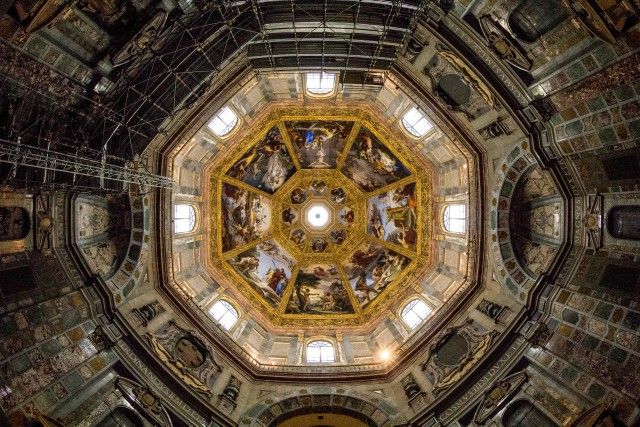
Bring your passport or ID card when you collect the pass. You receive a physical card at the meeting point, not just a digital code for museum entrances.
The exchange point is in front of Giotto’s Belfry. Look near the kiosk and ambulance, under a blue flag, and take your voucher to the ticket counter. Give yourself enough time for pickup before a reserved museum entry.
The staff at the pickup office can be helpful with reservations. One particularly useful feature is getting assistance with Uffizi and Accademia time slots soon after arrival. Still, do not leave every arrangement until the last minute. The pickup location and reservation process can feel a little split between different steps, so keep your voucher, ID, card, and reservation details together.
A waterproof case has also been supplied with the physical card in at least some pickups, which is useful during rainy walks or busy sightseeing days. The important point is to protect the card and keep it available at each entrance.
Family use and wheelchair access
The family benefit is clear: children under 18 can enter free when they are part of the cardholder’s family unit. You must still make the free reservation for children at the Uffizi and Accademia.
That rule makes the card more appealing for families with older children who want to see several museums. It is less useful if your children do not enjoy museums or if your itinerary is mainly outdoor sights and the Duomo complex.
The activity is wheelchair accessible. Since each museum has its own building layout and access arrangements, you should still confirm details for any particular venue before visiting.
How to get the most from each museum day
Start with your fixed reservations. Put the Uffizi and Accademia into your calendar first, then fill the open hours with nearby card-covered sites.
Group visits by area whenever possible. This saves energy and lets you take advantage of the card’s best feature, the freedom to make short, spontaneous stops. A museum that does not justify a separate ticket can become a worthwhile 45-minute visit.
Keep one lighter period in each day. Several hours in the Uffizi can be plenty, especially in warm weather. After a major gallery, a smaller chapel or church may be more rewarding than another large collection.
Do not assume every entrance works the same way. Look for the FirenzeCard signs or ask staff where cardholders should go. It may not always be obvious which queue to use, so a little attention at the door can save time.
Who should buy the FirenzeCard?
I would recommend it to you if art and museum visits are central to your Florence plans. It suits a first visit that includes both the Uffizi and Accademia, as well as a return visit focused on churches, chapels, and smaller museums.
Families can also get good value, since children under 18 enter free with an accompanying cardholder. The pass is helpful if everyone in your group wants to see several cultural sites rather than only one headline attraction.
I would hesitate if you have just one full day, prefer outdoor sightseeing, or mainly want the Duomo. The card does not include transportation or the cathedral complex, and its 72-hour window may not repay the price if you use it only once or twice.
Should you book the FirenzeCard?
Book it if you can name at least three museum visits per day, including one or both of the major galleries. The Uffizi and Accademia reservations, broad museum coverage, and free entry for children can make $110 reasonable for a busy cultural stay.
Skip it if your Florence plan centers on the Duomo, strolling, food, and only one museum. You may do better with individual tickets.
For the right schedule, the FirenzeCard changes Florence from a list of expensive decisions into an open invitation to step inside. Just reserve the big two, watch the 72-hour clock, and leave enough time to enjoy the city between masterpieces.
FAQ
How long is the FirenzeCard valid?
The card is valid for 72 hours, or three days, from the moment you first enter a museum.
Where do I pick up the physical card?
You exchange your voucher at the meeting point in front of Giotto’s Belfry. The entrance is near the kiosk and ambulance, under a blue flag, at the ticket counter.
Do I need my passport or ID card?
Yes. Bring a passport or ID card when collecting the FirenzeCard.
Are the Uffizi and Accademia included?
Yes. Entrance to the Uffizi Galleries and Accademia Gallery is included, but you must reserve a time slot for each museum.
Do children under 18 enter free?
Yes. Children under 18 in the cardholder’s family unit receive free admission when accompanied by the cardholder. A free reservation is still required for the Uffizi and Accademia.
Does the FirenzeCard include the Duomo complex?
No. The complex of the Duomo is not included, so you need separate arrangements for those sights.
Does the card include transportation?
No. Transportation is not included with the FirenzeCard.
Is the card wheelchair accessible?
Yes. The activity is wheelchair accessible.
Latest additions around Florence
- Florence: Cathedral Tour & Brunelleschi’s Dome Climb Ticket★ 5.0 · 3 reviews
- Palatina Gallery and Pitti Guided Tour in Florence★ 5.0 · 3 reviews
- Florence Uffizi Gallery Skip-the-line Tour w Art Historian Guide★ 5.0 · 3 reviews
- Private Tour: Pisa and Lucca from Florence★ 5.0 · 3 reviews
- San Gimignano Bike Tour (SOFT)★ 4.5 · 3 reviews
- Florence: Tour of Florence by rickshaw★ 5.0 · 3 reviews
- Center of Florence by golf cart★ 5.0 · 3 reviews
- From Firenze | Chianti day tour in a classic car★ 5.0 · 3 reviews
Museums, compared.
Skip-The-Line Uffizi Gallery Timed Entry Ticket
Read our review →

Florence Accademia Gallery Tour with Entrance Ticket Included
Read our review →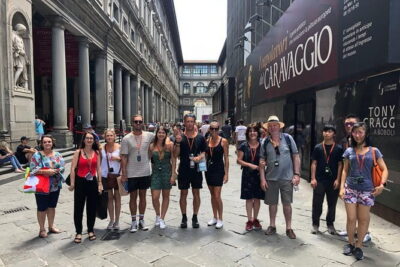


Accademia Gallery Guided Tour with Entry Ticket
Read our review →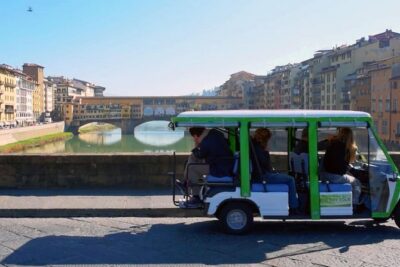
Golf Cart Tour to Fiesole Roman Theatre and Museum
Read our review →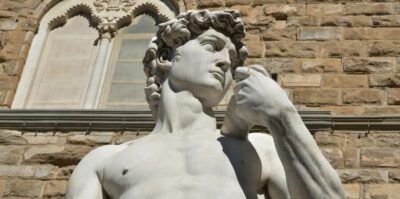
Uffizi Gallery and Accademia Gallery Guided Tour
Read our review →Browse the lists this tour appears in