
Reviewed · MUSEUMS
Florence: Fashion Private Tour with Museum Visits
Florence’s fashion story begins long before today’s designer storefronts. Roman-era textile work, medieval cloth merchants, Salvatore Ferragamo’s return from the United States, and Gucci’s modern image all meet on this compact private tour. You’ll visit the Ferragamo Museum, walk one of Florence’s best-known shopping streets, and finish at Gucci Garden near Piazza della Signoria.
I like the clear two-house focus, since Ferragamo and Gucci give you two different views of Made in Italy. I also like the private format, which lets your guide adjust the pace and explain details in your language. The main caution is value: at $232.23 per person, the experience is costly, especially because Gucci Garden may feel more like a small brand exhibition and shop than a full museum.
In This Review
- Key points to know before booking
- Florence’s fashion story starts at Santa Trinita
- The Ferragamo Museum gives the tour its strongest foundation
- Via de’ Tornabuoni turns the transfer into part of the tour
- Piazza della Signoria adds Florence’s historic setting
- Gucci Garden is the tour’s biggest question mark
- The 1951 fashion shows explain Florence’s importance
- A private group changes the feel and the value
- Who will get the most from this fashion tour
- Timing, walking, and practical details
- The final verdict on the $232.23 price
- Should you book this Florence fashion tour?
- FAQ
- Where does the Florence fashion tour begin?
- Where does the tour end?
- How long does the tour last?
- Which museums are included?
- Is Gucci Garden the only Gucci Museum in the world?
- How long do you spend at the Ferragamo Museum?
- How long do you spend at Gucci Garden?
- What languages are available?
- Is this a private tour?
- Are hotel transfers included?
Key points to know before booking
- Ferragamo comes first: Spend about an hour learning about Salvatore Ferragamo’s work after his return to Italy in 1927.
- Florence’s fashion story is tied to major events: The first Italian fashion show took place at Villa Torrigiani on February 12, 1951, followed by shows in the Sala Bianca at Palazzo Pitti.
- A private guide leads the entire visit: Spanish, English, French, German, Italian, Russian, and Portuguese are offered.
- The walking route is short but central: You go from Piazza Santa Trinita along Via de’ Tornabuoni to Piazza della Signoria.
- Gucci Garden is not a large traditional museum: Expect a compact presentation of Gucci pieces, with a shop component.
- The price pays mainly for private guiding and admission: It makes more sense for fashion fans and small private groups than for casual shoppers.
Florence’s fashion story starts at Santa Trinita
Your meeting point is under the Colonna della Giustizia in Piazza Santa Trinita. This is a practical place to begin because the tour then moves naturally toward the Ferragamo Museum and the central streets around Piazza della Signoria.
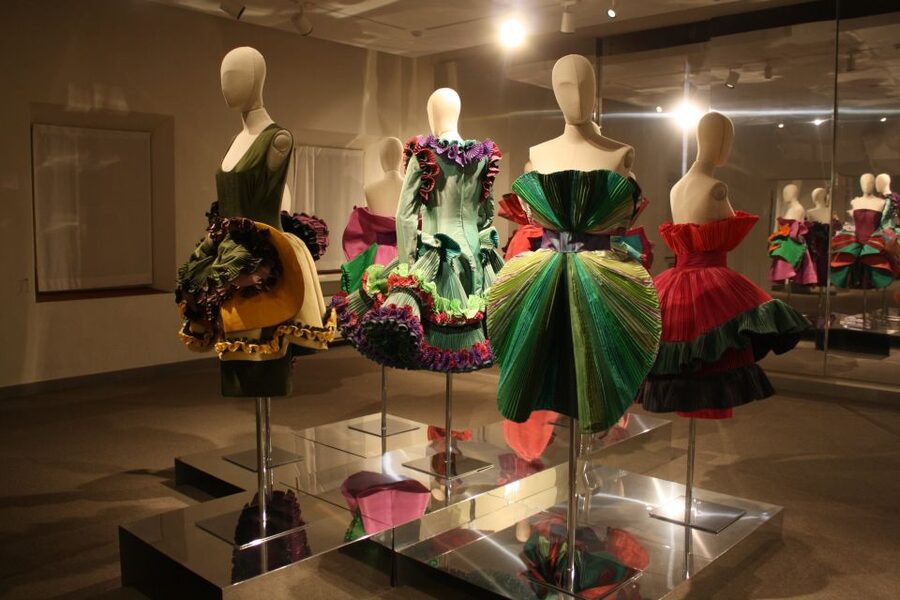
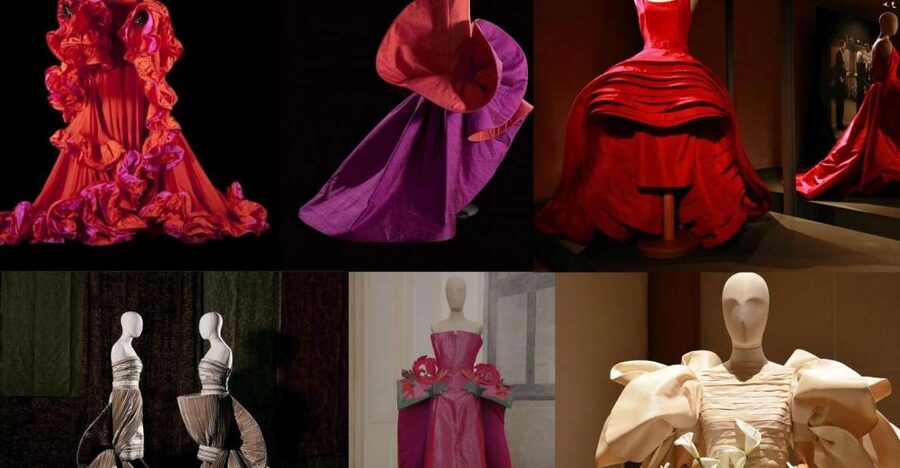
The subject is broader than brand names. Florence’s textile trade reaches back to Roman times, while cloth merchants helped make the city an important center of fashion during the Middle Ages. Your guide connects that older trade with the later idea of Italian design as a national style.
That background matters because the tour is not simply a walk between two shops. You are looking at how Florence moved from cloth production and merchant wealth to luxury shoes, handbags, clothing, and international fashion houses.
The activity lasts three hours, with roughly one hour at the Ferragamo Museum and one hour at Gucci Garden. The remaining time covers the guided walking portions, transitions, and short visits around Via de’ Tornabuoni and Piazza della Signoria.
More museums worth an hour:
- Florence: Skip-The-Line Uffizi Gallery Timed Entry Ticket
★ 4.5 · 27,832 reviews - Florence: Leonardo Interactive Museum Entry Ticket
★ 4.5 · 11,763 reviews - Florence Accademia Gallery Tour with Entrance Ticket Included
★ 4.5 · 6,148 reviews
The Ferragamo Museum gives the tour its strongest foundation
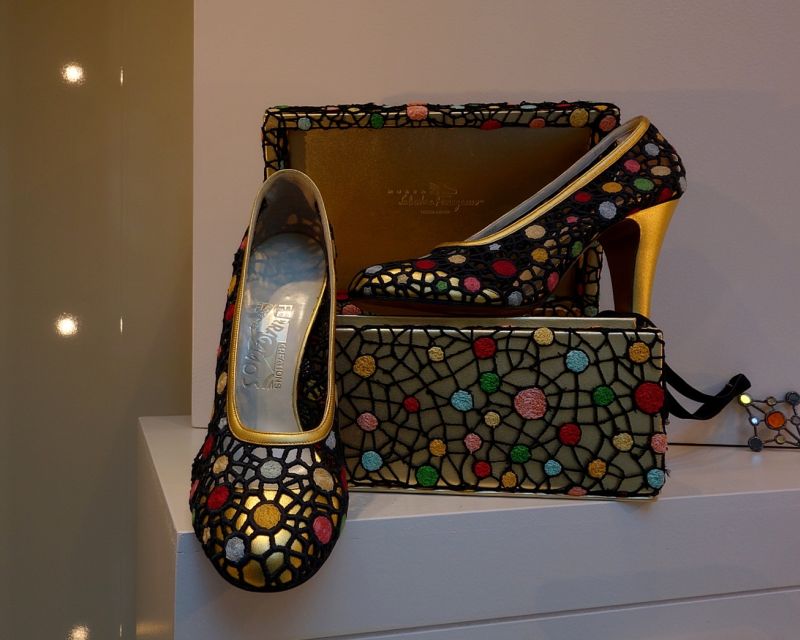
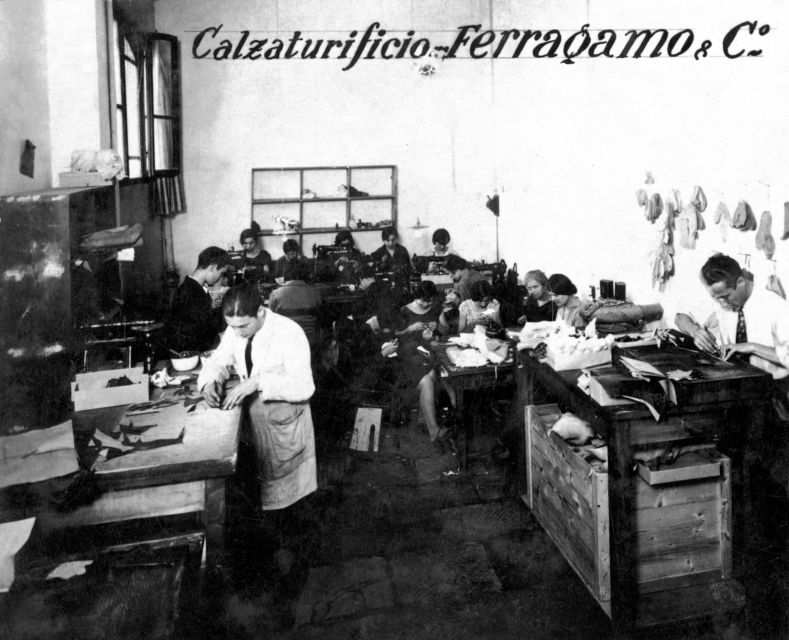
The first major stop is the Museo Salvatore Ferragamo. The museum documents Ferragamo’s career from his return to Italy in 1927 until his death, giving the tour a useful chronological spine.
This is the part I would value most if you want substance. The museum deals with the work and development of a specific fashion house, not just general luxury branding. You can expect your guide to explain Ferragamo’s story and share details about the family and the company as you move through the displays.
Guides Susanna and Daniello have both led this experience. Susanna is praised for making the history of the Gucci and Ferragamo families interesting and easy to follow. Daniello is noted for sharing historical facts along the way and for helping visitors get more from the Ferragamo visit.
The museum visit lasts about an hour. That is enough time for a guided introduction without turning the tour into an all-day fashion seminar. If you have a strong interest in footwear, design, or the history of Italian luxury, you may wish the visit were longer. Still, the time allotment gives you room to see the second museum and take the city walk.
One practical point affects the price calculation. The Ferragamo Museum has been described as free admission, so part of what you are paying for here is the guide, the private arrangement, the second venue, and the convenience of a planned route. That does not make the tour poor value, but it means you should not judge the $232.23 price as two expensive museum tickets.
Via de’ Tornabuoni turns the transfer into part of the tour
After Ferragamo, the route heads toward Via de’ Tornabuoni. The listed stop allows about 15 minutes for sightseeing and walking.
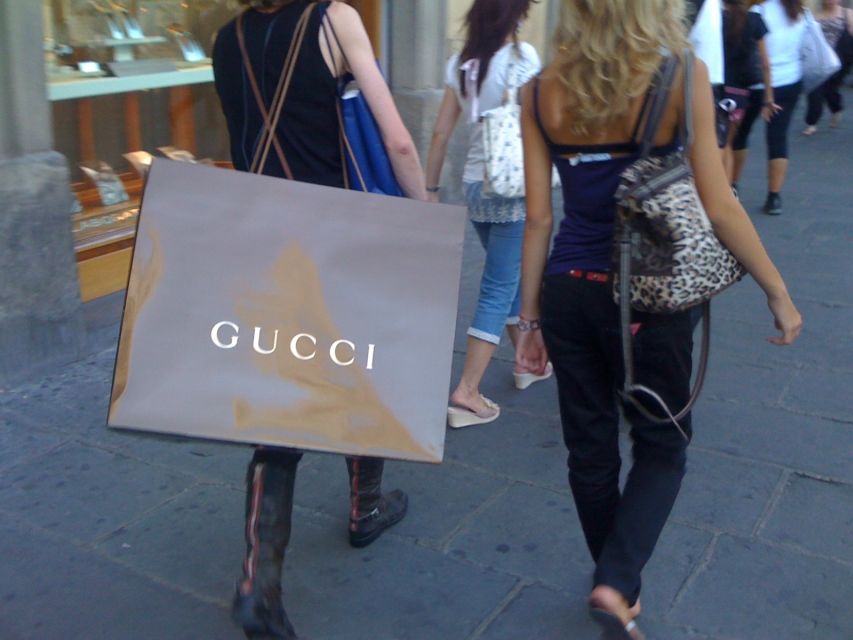
This is Florence’s well-known luxury shopping street, so it gives the subject a present-day setting. Instead of discussing Italian fashion only inside museums, you see the kind of retail environment that keeps the city connected to current luxury design.
You should not expect a long shopping session here. Fifteen minutes is enough for your guide to point out the boutiques and connect the street to Florence’s fashion identity. It is also a useful pause between the indoor visits.
The street portion may be less satisfying if you are looking for hands-on shopping or a detailed explanation of individual brands. Its purpose is mainly visual and contextual. You walk through the city, see the storefronts, and follow the fashion route rather than stopping at every boutique.
Wear comfortable shoes. The tour is on foot, and it operates rain or shine. A small umbrella or suitable rain layer is sensible if the forecast is uncertain, though the supplied information only specifically requires comfortable footwear.
Piazza della Signoria adds Florence’s historic setting
The next stop is Piazza della Signoria, where you spend about 15 minutes walking and sightseeing before reaching Gucci Garden. The square places the Gucci visit in one of Florence’s most recognizable central settings.
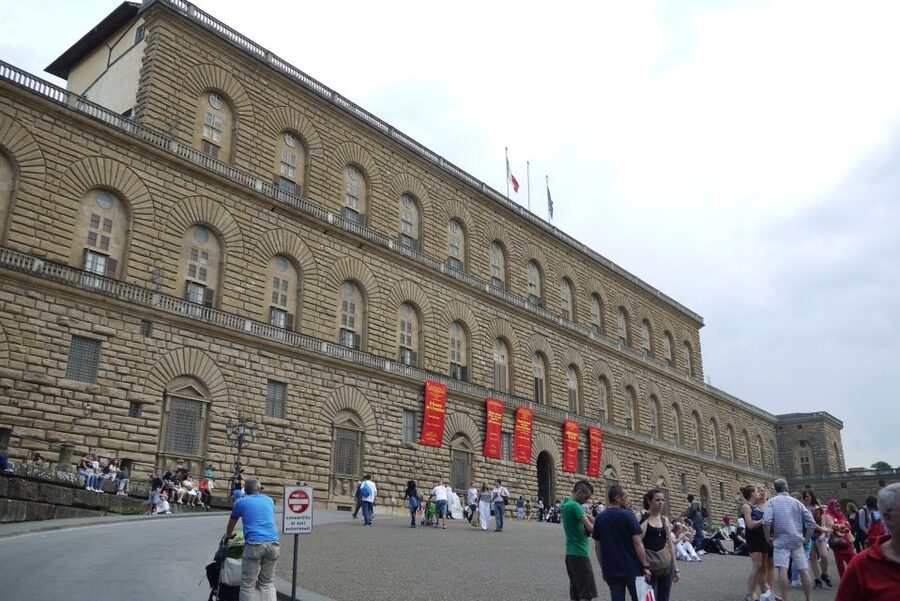
The Gucci Museum is housed in a fourteenth-century building in the square, within the Court of Mercatanzia. The building was renovated inside, and its location makes the stop easy to combine with the rest of the central route.
This short visit is not meant to compete with the Ferragamo Museum in depth. It helps you understand how a major fashion label occupies a historic Florentine building and how fashion, tourism, shopping, and civic architecture overlap in the city center.
Your guide also handles the transition, which is useful in a busy central area. You do not need to work out the route between the museums yourself, and the private format means you can ask questions as you go.
More Florence options worth a look before you decide
- Cinque Terre and Pisa Tower Tour from Florence Semi Private
★ 5.0 · 1,406 reviews - From Florence: Private Chianti Hills Tour with Tasting
★ 4.3 · 809 reviews - Private Self-Guided E-Bike Ride in Tuscany with Vineyard Visit
★ 5.0 · 775 reviews - Florence Private Transportation in Rickshaw
★ 5.0 · 730 reviews
Gucci Garden is the tour’s biggest question mark
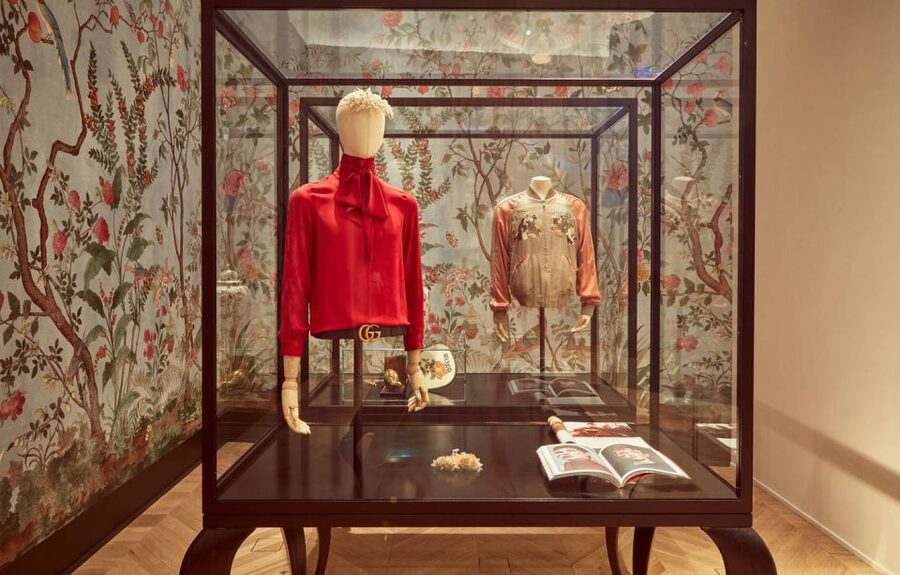
The final major stop is Gucci Garden, described as the only Gucci Museum in the world and a special Gucci store in Italy. It is located in the same general Piazza della Signoria area and receives about an hour of guided attention.
The name can set high expectations. In practice, you should prepare for a smaller presentation rather than a large museum with extensive historical galleries. The Gucci display has been described as a few rooms containing handbags, scarves, and a limited number of clothing pieces, with little historical information.
That does not make the stop worthless. If you like seeing Gucci products in a stylish setting or want to compare the brand’s presentation with Ferragamo’s museum approach, you may find the contrast interesting. The shop element also shows how Gucci turns its identity into a retail experience.
Still, I would not book this tour mainly for a traditional museum visit at Gucci Garden. The Ferragamo stop appears to offer the stronger educational content. Gucci Garden works best as a short brand-focused finale, especially for someone already interested in Gucci accessories and visual presentation.
The guide can add value here by explaining the Gucci family and the company’s place in Florence’s fashion story. Susanna, in particular, has been praised for making the family history engaging. But the amount of information you receive may depend on the guide and on what you want to ask.
The 1951 fashion shows explain Florence’s importance
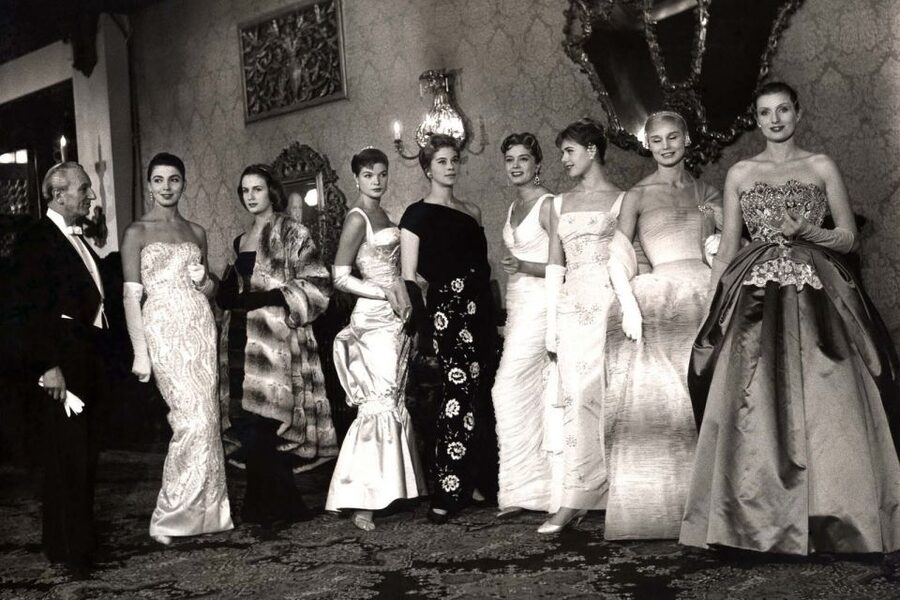
A useful historical detail on this tour is Florence’s role in the birth of modern Italian fashion shows. The first fashion show in Italy took place at Villa Torrigiani on February 12, 1951. The second followed in the Sala Bianca of Palazzo Pitti.
Those events help explain why Florence remains important to Italian fashion even though Milan often gets more attention today. The tour presents Florence as a place where fashion became organized, displayed, and promoted as a distinct Italian product.
You may not visit Villa Torrigiani or Palazzo Pitti on this particular route. Instead, your guide uses those landmarks and events to add context to the museums and streets you do visit. That is one reason a guide matters here. Without explanation, you might see shoes, bags, and boutiques without understanding why Florence is part of the larger fashion story.
A private group changes the feel and the value
This is a private-group activity, not a large shared walk. That usually suits you if you want to ask direct questions, move at a comfortable pace, or focus on one fashion house more than another.
The listed languages are English, Spanish, French, German, Italian, Russian, and Portuguese. The guide names associated with the experience include Susanna and Daniello, but you should check the assigned guide when booking if having a particular language or person matters to you.
The private format is also the main reason the price may make sense. At $232.23 per person, the cost is high for three hours, particularly for solo visitors or couples. For a small group splitting the cost of a private guide, the calculation becomes easier.
I would compare the price with your priorities. If you would independently visit the Ferragamo Museum and simply walk past Gucci Garden, you may find the tour expensive. If you want a planned fashion history lesson, museum admission arranged in advance, and a guide focused on your group, the fee buys convenience and personal attention.
The experience includes entrance tickets and a multilingual private guide. Hotel pickup and drop-off are not included, and the tour begins and ends at the meeting point near Piazza Santa Trinita. Plan your own route to the square and allow time to arrive under the column.
Who will get the most from this fashion tour
This experience suits you best if you have a real interest in Italian design, fashion houses, luxury goods, or the link between commerce and Florentine history. It also works for a private group where different people want a guided cultural activity rather than a day of shopping.
It is a good choice for someone who prefers a compact program. Three hours is short enough to fit around other Florence visits, while the two one-hour museum stops give the experience a clear shape.
You may want to skip it if you have already visited the Ferragamo Museum and are expecting Gucci Garden to be a major museum. The Gucci portion is the weak point for anyone hoping for extensive historical displays.
It is also not the best choice if your main goal is buying clothing or accessories. You walk along Via de’ Tornabuoni and visit a Gucci store setting, but this is presented as a guided fashion history experience, not a personal shopping appointment.
Timing, walking, and practical details
Check the available starting times before you commit, since the schedule is not fixed in the information provided. The three-hour duration includes indoor visits and city walking, so you should avoid pairing it with another appointment that starts immediately afterward.
The tour takes place rain or shine. Comfortable shoes are important, even though the route is compact. You will be outside between museum stops, and the activity ends where it begins rather than at your hotel.
Skip-the-ticket-line access is included. That can save time in a busy city, though the actual benefit depends on conditions at the museums when you arrive.
Cancellation is flexible: you can cancel up to 24 hours in advance for a full refund. You can also reserve now and pay later, which is useful if you are arranging several Florence activities and want to keep your plans open.
The final verdict on the $232.23 price
The price is the central decision point. Three hours at $232.23 per person is not a bargain tour, especially when the Ferragamo Museum may be free to enter and Gucci Garden is relatively small.
The strongest part of the fee is the private guide. A good guide can turn the Ferragamo displays, the 1951 fashion-show story, Via de’ Tornabuoni, and the Gucci family background into one connected lesson. Daniello’s historical explanations and Susanna’s engaging family stories show what the experience can offer when the guide is a strong match for the group.
The weaker part is the Gucci stop itself. If you measure value by the size and depth of a museum, you may feel disappointed. Think of Gucci Garden as a compact brand space with some fashion pieces and a store, not as a second Ferragamo-style museum.
Should you book this Florence fashion tour?
Book it if you want a private, guide-led look at Florence’s fashion identity and you care more about interpretation than collecting a long list of sights. The Ferragamo Museum is the anchor, while the walk and Gucci Garden show how the city presents fashion today.
Skip it if you want extensive Gucci history, a low-cost museum visit, or a shopping-focused outing. For the best value, book when you are sharing the private price with a small group and can make full use of the guide’s language skills and personal attention.
FAQ
Where does the Florence fashion tour begin?
It begins at Piazza Santa Trinita, under the Colonna della Giustizia.
Where does the tour end?
The activity ends back at the meeting point near the Colonna della Giustizia.
How long does the tour last?
The tour lasts three hours. Starting times depend on availability.
Which museums are included?
The route includes the Museo Salvatore Ferragamo and Gucci Garden in Florence.
Is Gucci Garden the only Gucci Museum in the world?
The tour information describes Gucci Garden as the only Gucci Museum in the world.
How long do you spend at the Ferragamo Museum?
The guided visit at the Ferragamo Museum lasts about one hour.
How long do you spend at Gucci Garden?
The guided visit at Gucci Garden lasts about one hour.
What languages are available?
Guiding is available in Spanish, English, French, German, Italian, Russian, and Portuguese.
Is this a private tour?
Yes. The activity is arranged for a private group with a multilingual live guide.
Are hotel transfers included?
No. Hotel pickup and drop-off are not included. You make your own way to the starting point and return there at the end.
Latest additions around Florence
- Florence: Cathedral Tour & Brunelleschi’s Dome Climb Ticket★ 5.0 · 3 reviews
- Palatina Gallery and Pitti Guided Tour in Florence★ 5.0 · 3 reviews
- Florence Uffizi Gallery Skip-the-line Tour w Art Historian Guide★ 5.0 · 3 reviews
- Private Tour: Pisa and Lucca from Florence★ 5.0 · 3 reviews
- San Gimignano Bike Tour (SOFT)★ 4.5 · 3 reviews
- Florence: Tour of Florence by rickshaw★ 5.0 · 3 reviews
- Center of Florence by golf cart★ 5.0 · 3 reviews
- From Firenze | Chianti day tour in a classic car★ 5.0 · 3 reviews
Museums, compared.
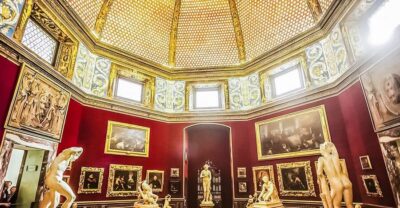
Skip-The-Line Uffizi Gallery Timed Entry Ticket
Read our review →

Florence Accademia Gallery Tour with Entrance Ticket Included
Read our review →


Accademia Gallery Guided Tour with Entry Ticket
Read our review →
Golf Cart Tour to Fiesole Roman Theatre and Museum
Read our review →
Uffizi Gallery and Accademia Gallery Guided Tour
Read our review →Browse the lists this tour appears in