
Reviewed · FLORENCE WALKING TOURS
Florence: Art, History, and Charm – Walking Tour of Florence
Florence makes a fine outdoor museum, and this walk puts the Medici family at the center of the story. In 90 minutes, you move from San Lorenzo and Palazzo Medici to the Cathedral Complex, Dante’s quarter, Piazza della Signoria, Ponte Vecchio, Porcellino, and Piazza della Repubblica.
I like the route’s wide historical sweep, which helps you connect Florence’s churches, palaces, squares, and bridges. I also like that the guides bring personality to the walk. Rosella has led detailed tours about the Medici, Silvia is praised for explaining the city’s past clearly, and Anastasia has taken extra care to keep younger children involved.
The main drawback is time. One and a half hours is enough for an excellent introduction, but not enough to visit the interiors of Florence’s major sights. You will see and discuss the landmarks from the streets, and entry tickets are not included.
In This Review
- Key points to know before you book
- Why the Medici make Florence easier to understand
- Starting at Caffè Scudieri and San Lorenzo
- Palazzo Medici and the family’s public image
- The Cathedral Complex, Florence’s visual anchor
- Dante’s neighborhood and the city of literary memory
- Piazza della Signoria and Florence’s public stage
- Ponte Vecchio and the Arno crossing
- Porcellino and Piazza della Repubblica
- What the $44 price gets you
- Who will get the most from this walk
- Booking flexibility and practical details
- Should you book the Florence walking tour?
- FAQ
- Where does the Florence walking tour meet?
- How long does the tour last?
- Which languages are available?
- Are entry tickets included?
- What should I bring?
- Can wheelchair users join the tour?
Key points to know before you book
- The Medici story shapes the route: You follow the family’s influence through palaces, art, architecture, and city politics.
- The walk covers Florence’s essential center: Expect San Lorenzo, Palazzo Medici, the Cathedral Complex, Dante’s neighborhood, Piazza della Signoria, Ponte Vecchio, Porcellino, and Piazza della Repubblica.
- It is an exterior sightseeing tour: You get guided visits and photo stops, but no entry tickets are included.
- The meeting point is easy to spot: Look for an orange flag outside Caffè Scudieri Firenze.
- Families can fit this tour well: Anastasia has used questions and interaction to keep young children interested.
- Good shoes matter: You will walk through the historic center, and large bags or luggage are not allowed.
Why the Medici make Florence easier to understand
You can admire Florence’s buildings without knowing the Medici, but the city makes more sense once you understand their reach. This ruling family shaped art, architecture, politics, and public life for generations. The tour uses that family story as its thread, giving you a reason to connect places that might otherwise seem like a string of attractive squares.
At Palazzo Medici, the focus turns to the family’s home and public image. The building is important not only as a piece of architecture, but also as a sign of how private wealth could influence an entire city. Your guide explains the Medici legacy as you walk, linking their decisions to the streets and monuments around you.
This approach suits you if you prefer stories to dates. Instead of hearing an isolated list of artistic achievements, you get a sense of how patrons, rulers, artists, and civic spaces worked together. The information supplied for this experience puts particular weight on art and architecture, so you should expect the Medici to remain a recurring subject throughout the walk.
Guides have included Rosella, Silvia, and Anastasia. Rosella has provided detailed information about Florence and the Medici, while Silvia has been praised for her clear command of the city’s past. Guide assignments can change, but these examples suggest that the quality of the experience depends heavily on who leads your group.
More walking routes in Florence:
- Florence: Guided Walking Tour
★ 4.5 · 3,334 reviews - Skip the line: Uffizi and Accademia Small Group Walking Tour
★ 4.5 · 3,135 reviews - Florence: Guided Walking Tour
★ 4.6 · 1,602 reviews
Starting at Caffè Scudieri and San Lorenzo
The meeting point is in front of Caffè Scudieri Firenze. Look for a staff member holding an orange flag. That simple marker matters in central Florence, where several streets and squares can look similar and crowds gather near the cathedral.
From there, the walk heads through the San Lorenzo area. This part of Florence gives you an early look at the city’s connection between religion, commerce, and Medici power. The tour does not list an interior visit to the Basilica of San Lorenzo or any other church, so plan on viewing the area from the outside unless your guide explains otherwise.
San Lorenzo works well as a starting point because it places you close to several major sights. Your guide can establish the city’s political and artistic setting before the route reaches the Cathedral Complex. You are not simply looking at old façades. You are learning why these buildings mattered to the people who funded, used, and fought over them.
The tour includes a photo stop, guided sightseeing, and walking. Bring comfortable shoes rather than fashion footwear. Florence’s center rewards slow looking, but the route still covers a good number of locations in a short time.
Palazzo Medici and the family’s public image

Palazzo Medici gives the tour its clearest connection to the ruling family. The guide’s job here is to show how art and architecture could send a political message without a speech or proclamation.
You will hear about the Medici role in Florence’s development and how their influence reached beyond one residence. The supplied information specifically highlights stories about their effect on art, architecture, and the city’s growth. That makes this stop especially useful for first-time visitors who want a simple framework for understanding Florence.
The route does not include an entry ticket. You should treat Palazzo Medici as a guided exterior stop, with the chance to hear the building’s story and take photographs. If you want to see its rooms or other paid interiors, you will need to arrange those separately.
That limitation is also part of the tour’s value. You can cover several central sights without spending the whole morning inside one museum. For a first orientation, the street-level view may be exactly what you need before deciding where to return on your own.
The Cathedral Complex, Florence’s visual anchor
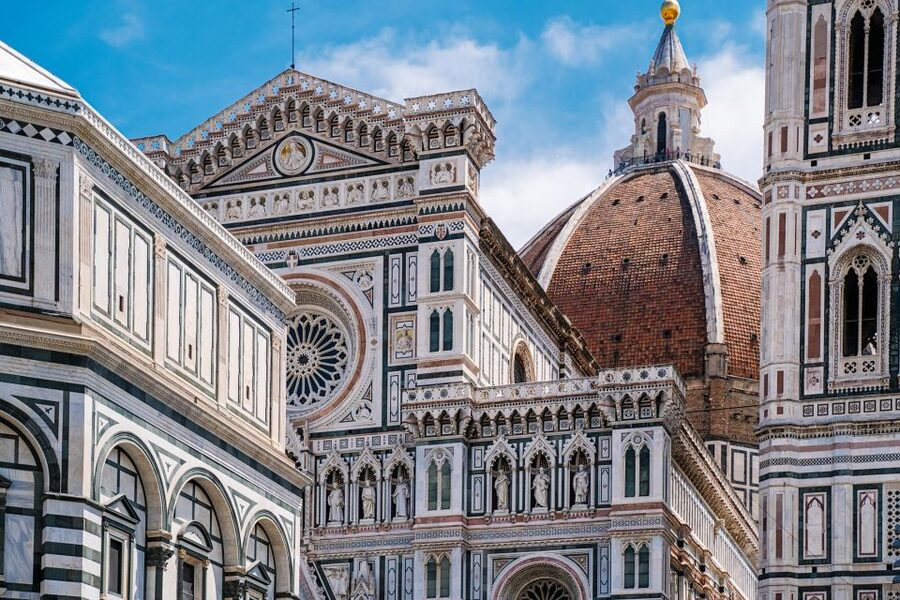
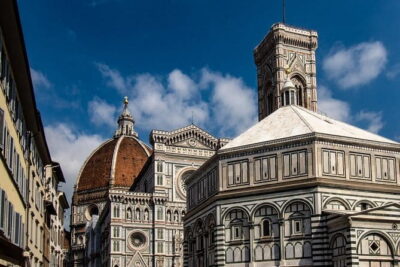
The Cathedral Complex is likely to be one of the most memorable parts of the walk. Florence’s cathedral area brings together several major religious buildings and offers a concentrated lesson in the city’s artistic ambition.
Your guide explains the complex as a historical marvel, not merely as a backdrop for photographs. Listen for the connections between religious purpose, civic pride, architecture, and the wealth that made ambitious building projects possible. The Medici theme also helps place the cathedral area within the broader story of Florence’s powerful families and artistic patrons.
Since entry tickets are excluded, you should not expect to go inside the cathedral or related buildings as part of this experience. The tour is designed around walking, sightseeing, explanation, and photographs. If an interior visit matters most to you, use this tour to get oriented, then book a separate timed entry where needed.
The cathedral stop also has a practical benefit. It gives you a fixed point in the city’s center, helping you understand how the surrounding streets connect. After this visit, later stops such as Piazza della Signoria and Piazza della Repubblica feel less scattered.
More history-first plans:
- Tipsy Tour: Guided Bar Crawl In Florence with Dark History
★ 5.0 · 271 reviews - Florence Cooking Course with Historic Local Market Visit
★ 4.5 · 151 reviews - Florence: Medici Family History Tour
★ 4.3 · 93 reviews - Historical Guided Tour of Florence’s Iconic Cathedral
★ 3.5 · 88 reviews
Dante’s neighborhood and the city of literary memory
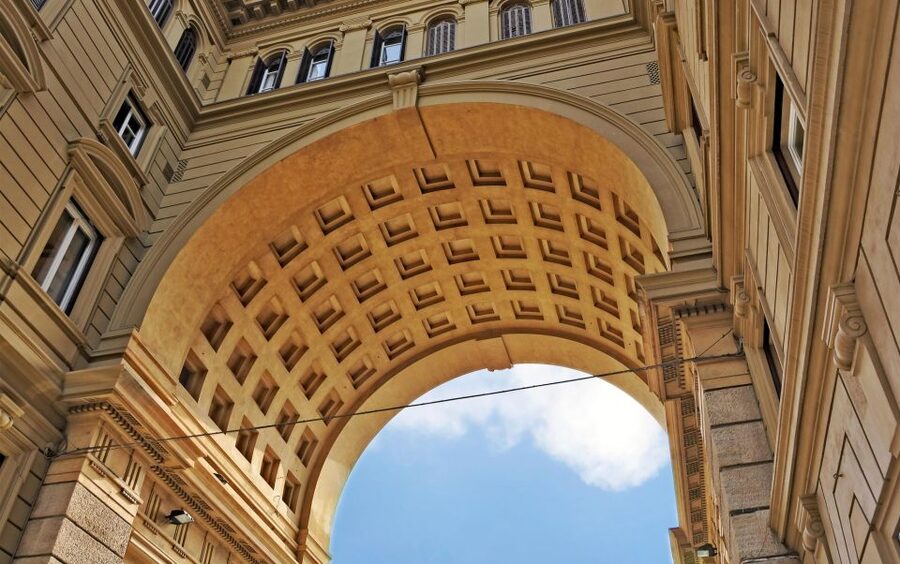
The route continues through the area associated with Dante. This adds a literary layer to a tour otherwise focused heavily on the Medici, art, and architecture.
The exact details covered depend on the guide, but the stop is built around tales of Dante’s past and the quarter linked with his life. That gives you a chance to see Florence through a personal and cultural story, not only through grand buildings and ruling families.
I like this change of tone. Florence can sometimes feel defined only by famous art and powerful patrons. Dante’s district points toward the city’s writers, residents, memories, and narrow urban spaces. It reminds you that major historical figures lived in an ordinary city made up of streets, homes, churches, and meeting places.
Families may find this section easier to follow when the guide tells it as a story. Anastasia, one of the guides who has led the walk, has been especially patient with young children and made the tour interactive. You should still expect a walking tour rather than a children’s program, but families have a good reason to ask questions and keep younger walkers involved.
Piazza della Signoria and Florence’s public stage
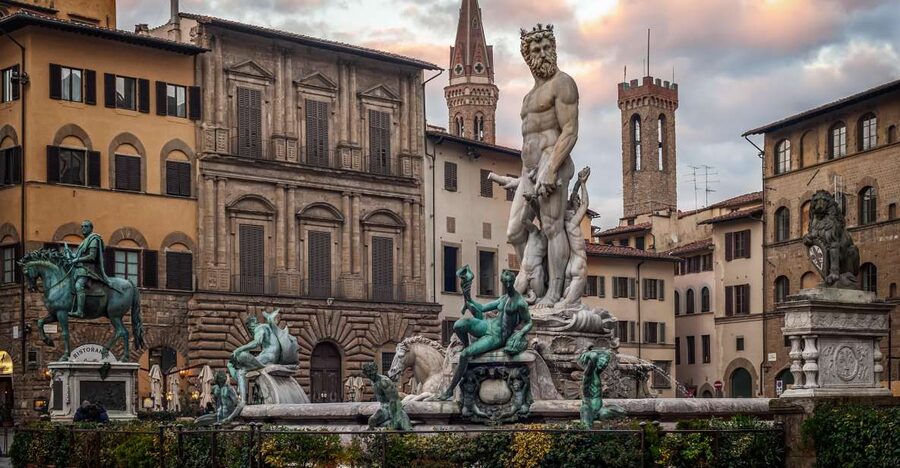
Piazza della Signoria brings you into one of Florence’s main civic spaces. This is where the city’s political life, public art, and government architecture come together.
The tour explains the square as part of Florence’s changing story, with attention to the buildings and artistic works around it. From here, you can better understand how public spaces were used to express authority. The Medici theme remains useful, since the family’s influence was not limited to private residences.
This stop is also a strong photo opportunity. You can look across the square, study the surrounding architecture, and listen without needing to enter a museum. The tradeoff is that a busy central square can make it harder to hear every word, which is why the included headsets are helpful.
Headsets are a small but important inclusion. Guides can speak while the group stands near a crowded street or open square, and you can look around without having to stay directly beside the guide. Keep your attention on the equipment, though, since the quality of a walking tour depends on hearing the explanations.
Ponte Vecchio and the Arno crossing
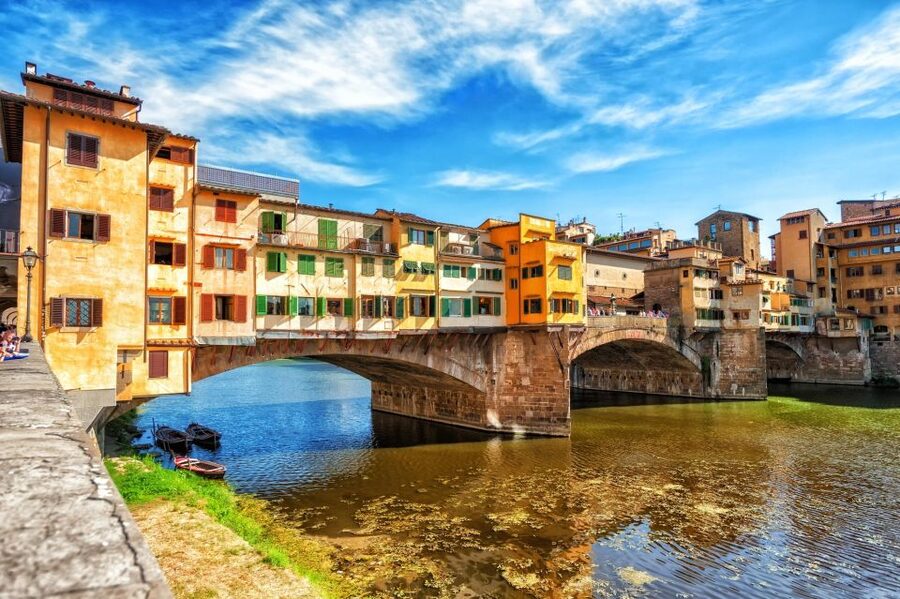
Ponte Vecchio shifts the tour from political squares to one of Florence’s most recognizable crossings. The bridge gives you a different view of the city and connects the historic center to the Arno River.
You will stop for sightseeing and photographs, while the guide places the bridge within the wider story of Florence. The supplied details do not promise a long river walk or time inside shops, so think of this as a focused landmark stop rather than a separate excursion along the water.
The bridge is visually striking, but it can also be crowded. Stay close enough to hear your guide through the headset, and keep your belongings secure in busy areas. Large bags and luggage are not allowed on the activity, which is useful here because a heavy bag would make the crossing less comfortable.
Ponte Vecchio is also a good point to notice how compact central Florence can be. The tour links major landmarks on foot instead of using transport, so you get a basic feel for distances and routes. That helps when you return later for shopping, museums, or a second look at the river.
Porcellino and Piazza della Repubblica
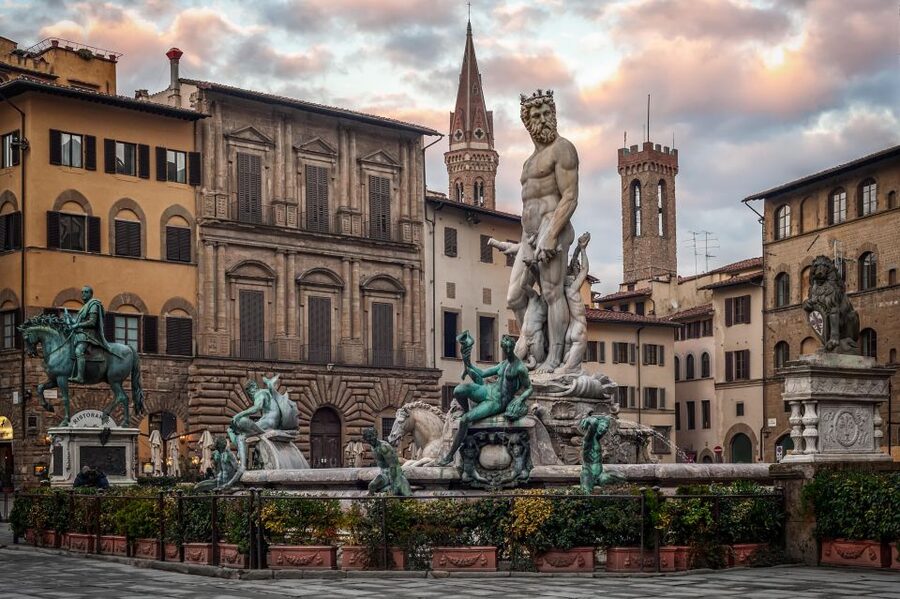
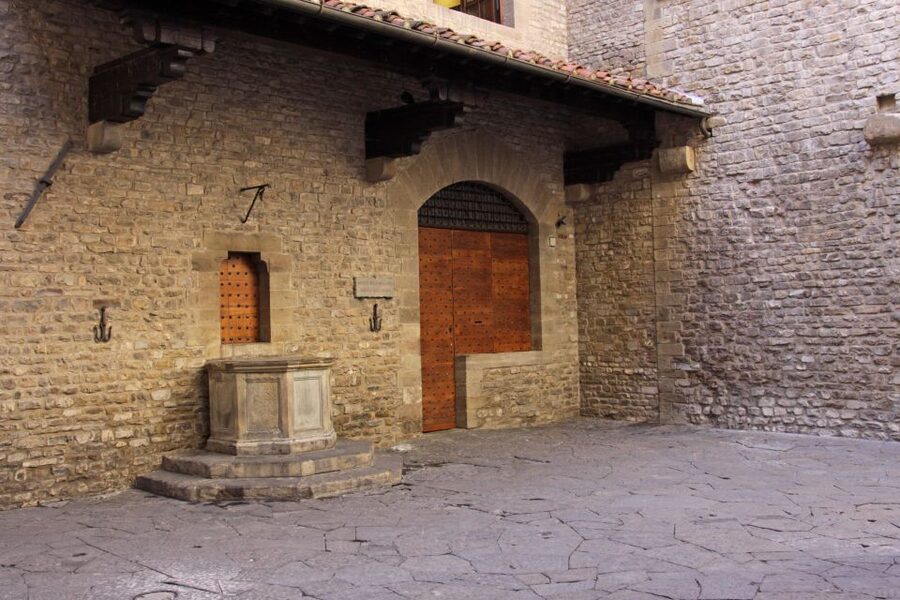
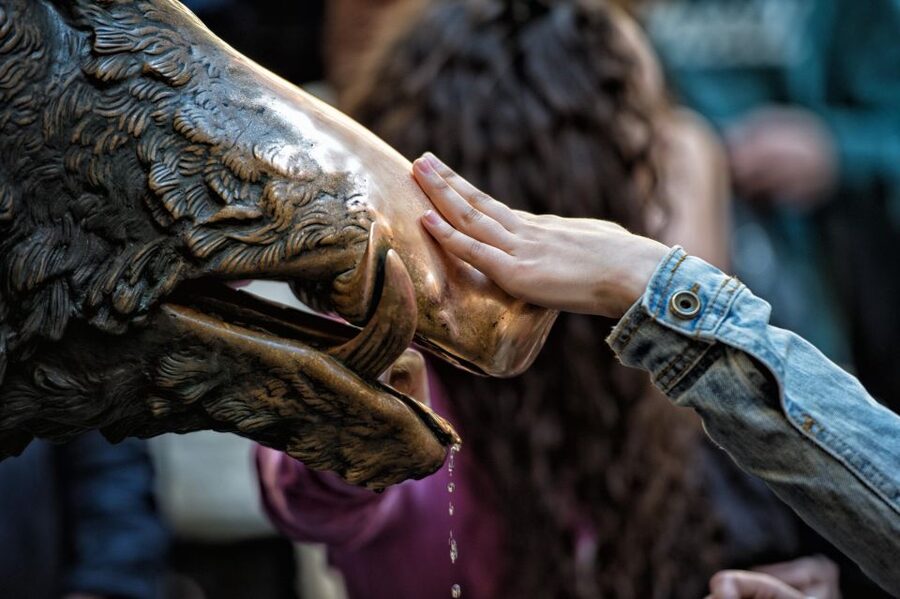
The route includes the Porcellino area, known for its famous boar sculpture, then continues to Piazza della Repubblica. These stops bring the tour back into the everyday movement of central Florence.
Porcellino offers a lighter moment after the heavier stories of rulers, artists, and writers. It is a familiar meeting point and a popular photo stop. Your guide can add context about the place and its role in the city’s visitor route, but the activity information does not promise a special ritual or purchase, so you should treat it as a brief sightseeing stop.
Piazza della Repubblica gives you another view of Florence’s city center. Its broad open space contrasts with the tighter medieval streets around Dante’s district. That change helps you notice how Florence developed over time rather than remaining frozen in one period.
The final stops make the tour feel like an orientation walk. You leave with a clearer sense of where several major areas sit in relation to one another. At 90 minutes, the route cannot explain every building in detail, but it gives you enough markers to plan the rest of your stay.
What the $44 price gets you
At $44 per person, this tour sits in the range of a paid introductory city walk. The price includes the guided walking route, a local guide, and headsets. It does not include entry tickets, so you are paying for interpretation and orientation rather than admission to Florence’s museums or churches.
That can be good value if you want a clear introduction soon after arriving. A strong guide can save you from wandering past major buildings without understanding their place in the city. The Medici focus also gives the walk a firm subject, which is more useful than a tour that simply names one landmark after another.
The value is weaker if you already know Florence well or want long visits inside monuments. In that case, you may prefer to spend the same time on a museum visit or a specialist tour with fewer stops and more detail. This experience covers a lot of ground, so each location receives a limited amount of time.
The 90-minute length keeps the commitment manageable. You can fit it between other plans, and you are unlikely to feel locked into a full-day activity. On the other hand, the short duration means you should not expect a slow architectural study or a detailed discussion of every artwork along the route.
Who will get the most from this walk
I would point this tour toward a first visit to Florence, especially if you want to understand the center before tackling museums on your own. It also suits anyone who likes architecture, political history, and stories about the people who shaped a city.
Families may find it workable because Anastasia has adapted the pace and questions for young children. Still, the tour remains a city walk, and children who dislike walking or standing may need extra encouragement.
The available guide languages are English, French, and German. Check the starting time and language when booking, since availability can vary. If you need another language, this activity does not list one.
This is not suitable for wheelchair users, according to the stated activity information. If you use a wheelchair, you should seek a route designed around your access needs rather than assume this walk will work.
Pack light. Large bags and luggage are not allowed, and comfortable shoes are specifically recommended. There is no need to bring anything special beyond footwear suited to walking through Florence’s historic center.
Booking flexibility and practical details
You meet outside Scudieri Café, with the orange flag serving as the marker. Arrive with enough time to find the café and staff member without rushing, particularly if you are unfamiliar with the cathedral area.
The tour offers free cancellation up to 24 hours before the start for a full refund. You can also reserve now and pay later, which helps if you are still arranging your Florence schedule. Check the available starting times before booking because the duration is fixed at 90 minutes but the departure time is not stated in advance.
The route uses headsets, and the guide leads the group on foot. There is no transport included and no admission ticket included. Plan any museum or cathedral interior visit separately.
Should you book the Florence walking tour?
Book it if you want a short, story-led introduction to Florence, with the Medici as your main guide through the city’s art, architecture, and politics. The route covers a lot: San Lorenzo, Palazzo Medici, the cathedral area, Dante’s district, Piazza della Signoria, Ponte Vecchio, Porcellino, and Piazza della Repubblica.
I would especially consider it for a first day in Florence, a family that wants an interactive guide, or anyone who prefers a compact walk before choosing which interiors to visit. The praise for Rosella, Silvia, and Anastasia points to guides who can add real value through clear explanations and patience.
Skip it if you want included admission, a slow museum visit, or a wheelchair-accessible route. At $44, the tour makes sense as a guided orientation, not as a substitute for Florence’s major paid attractions.
FAQ
Where does the Florence walking tour meet?
Meet a staff member in front of Caffè Scudieri Firenze. Look for an orange flag.
How long does the tour last?
The walking tour lasts 1.5 hours.
Which languages are available?
The tour is offered with a live guide in English, French, or German.
Are entry tickets included?
No. Entry tickets are not included in the price.
What should I bring?
Wear comfortable shoes. Luggage and large bags are not allowed.
Can wheelchair users join the tour?
The activity is not suitable for wheelchair users.
Latest additions around Florence
- Florence: Cathedral Tour & Brunelleschi’s Dome Climb Ticket★ 5.0 · 3 reviews
- Palatina Gallery and Pitti Guided Tour in Florence★ 5.0 · 3 reviews
- San Gimignano Bike Tour (SOFT)★ 4.5 · 3 reviews
- Florence Uffizi Gallery Skip-the-line Tour w Art Historian Guide★ 5.0 · 3 reviews
- Private Tour: Pisa and Lucca from Florence★ 5.0 · 3 reviews
- Florence: Tour of Florence by rickshaw★ 5.0 · 3 reviews
- Center of Florence by golf cart★ 5.0 · 3 reviews
- From Firenze | Chianti day tour in a classic car★ 5.0 · 3 reviews
Florence Walking Tours, compared.
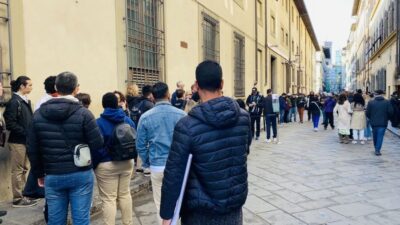

Skip the line: Uffizi and Accademia Small Group Walking Tour
Read our review →
Renaissance and Medici Tales Guided Walking Tour
Read our review →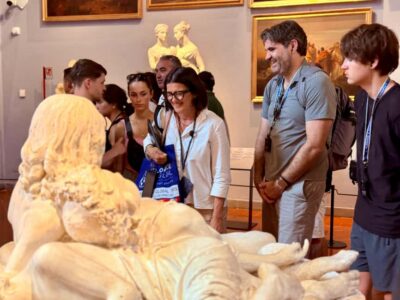
Skip-the-Line Florence Highlights and David Walking Tour
Read our review →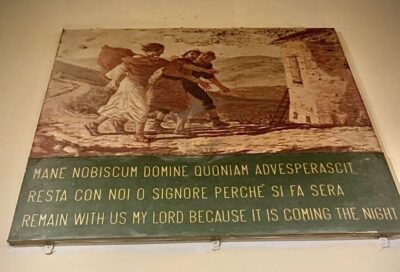
Dark Mysteries and Legends Guided Walking Tour
Read our review →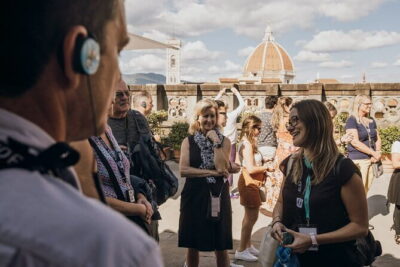
Florence in a Day: Michelangelo’s David, Uffizi and Guided City Walking Tour
Read our review →Browse the lists this tour appears in