Reviewed · WINE TOURS
Wine Tour Experience
Capezzana gives you a quick, atmospheric taste of Tuscan wine country without requiring a full day away from Florence. The two-hour visit moves from the rose garden and historical cellar to the vinsantaia, then finishes with five wines and extra virgin olive oil.
I like the small maximum of 20 people and the chance to see both the wine-making spaces and the handsome estate setting. I also like that the tasting includes Vin Santo, a classic Tuscan style that deserves more attention. The main caution is consistency: one recent account describes thin English and rushed pours, while another found the guide and food excellent.
In This Review
- Key points to know before you book
- Why Capezzana makes sense near Florence
- The rose garden sets the tone
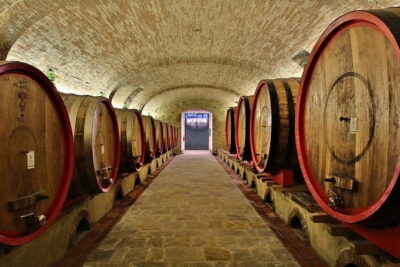
- Inside the historical cellar
- The vinsantaia and the best reason to stay curious
- Five wines, from Trebbiano to Tuscan reds
- Olive oil, bread, and the question of food
- Views, terrace atmosphere, and estate character
- Group size and the human side of the visit
- Who will get the most from this tour
- Price, booking, and practical planning
- Should you book the Capezzana tasting?
- FAQ
- Where does the wine tour begin?
- Where does the activity end?
- How long does the experience last?
- How many wines are included?
- Is olive oil included?
- Is food included with the wine tasting?
- Can I cancel for a full refund?
Key points to know before you book
- Capezzana is in Carmignano: The estate sits at Via Capezzana 43, outside Florence, rather than in the city center.
- The visit lasts about two hours: It is a focused tasting, not a full-day vineyard outing.
- Five wines are included: The selection can include Trebbiano, Tuscan reds, and the estate’s Vin Santo.
- The setting is part of the appeal: You see the rose garden, cellar, vinsantaia, and views toward Florence from the estate.
- Food service may vary: Olive oil is included, but accounts differ on whether bread, cheese, and charcuterie accompany every session.
- The group can reach 20 people: Some sessions may be much smaller, but you should not assume a private tour.
Why Capezzana makes sense near Florence
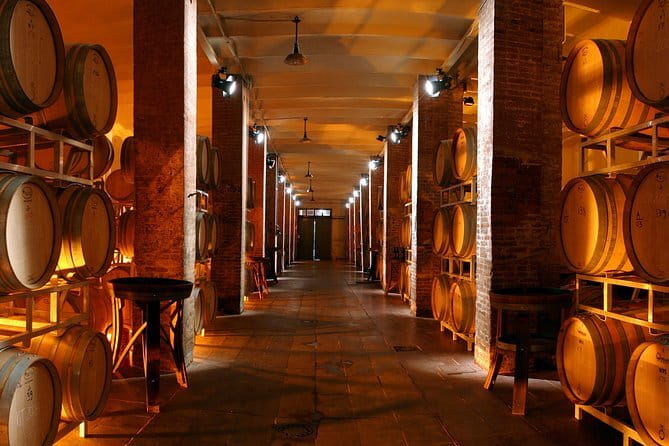
Tenuta di Capezzana offers a useful middle ground. You get a real estate visit and a proper tasting, but you do not have to commit to an entire day of winery hopping. At about two hours, it can fit into a wider Carmignano outing or a Florence day with a little planning.
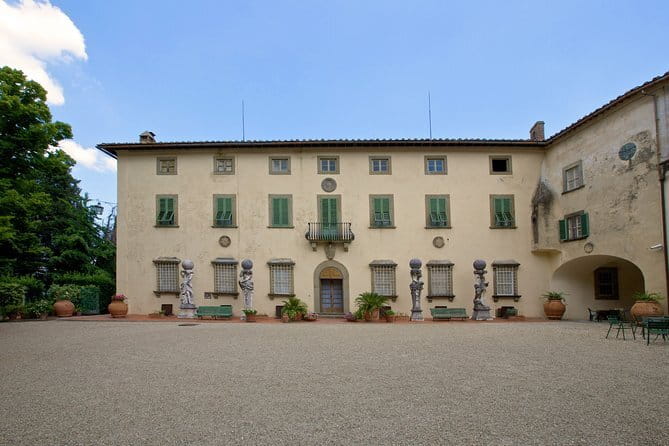
The estate is in Carmignano, in the province of Prato, at Via Capezzana 43. That address matters. This is not a tasting room in central Florence, and the experience does not include transportation from the city. You need to arrange your own way to the meeting point and return from it.
The price is listed at $53.61 per person. I consider that reasonable if you value the setting, cellar access, and five pours rather than simply the amount of wine in your glass. The cost becomes less attractive if you expect a substantial meal, a long vineyard walk, or a private guide.
The activity ends back at the same meeting point. That makes the plan simple once you arrive, but it also means you need to think about the journey home before the first glass is poured.
More Florence wine afternoons:
- Tuscany Day Trip from Florence: Siena, San Gimignano, Pisa and Lunch at a Winery
★ 5.0 · 21,634 reviews - Florence: Pasta Cooking Class with Unlimited Wine
★ 4.9 · 10,285 reviews - Florence: Chianti Wineries Tour with Wine Tasting
★ 4.5 · 8,301 reviews
The rose garden sets the tone
The visit begins with the estate’s rose garden. This is a small but telling introduction to Capezzana. You start outdoors, among the decorative side of the property, before moving into the working spaces where the wine is stored and made.
I like this order because it gives the experience some shape. You are not simply seated at a table and handed glasses. The garden helps you see Capezzana as an estate with more than one purpose, then the cellar brings you back to the practical business of wine.
The garden visit is not described as a long walk, so keep your expectations in check. You are getting an opening stop, not a major botanical tour. Still, it adds a pleasant visual pause and helps the visit feel connected to the place.
Inside the historical cellar
The historical cellar is the strongest stop for anyone who wants context with a tasting. Here, your guide can explain how the estate handles its wines and how the old spaces fit into Capezzana’s identity.
The exact length and format of the explanation can vary with the host and group. Filippo has led at least some visits, and one account describes him as sharing the family’s wine culture and legacy with real warmth. That kind of personal background can make a cellar visit far more memorable than a basic list of grape names.
At the same time, I would not book this expecting a technical winery course. The published experience promises a visit to the cellar, not a detailed lesson on every stage of production. You will likely get the most from it if you ask questions about the wines you taste later.
One practical issue is the language. The experience is offered in English, but one session was criticized because the second host spoke very softly and was difficult to understand. That seems to have been a poor match between group and guide rather than a guaranteed feature, but it is worth remembering if clear narration is essential to you.
The vinsantaia and the best reason to stay curious
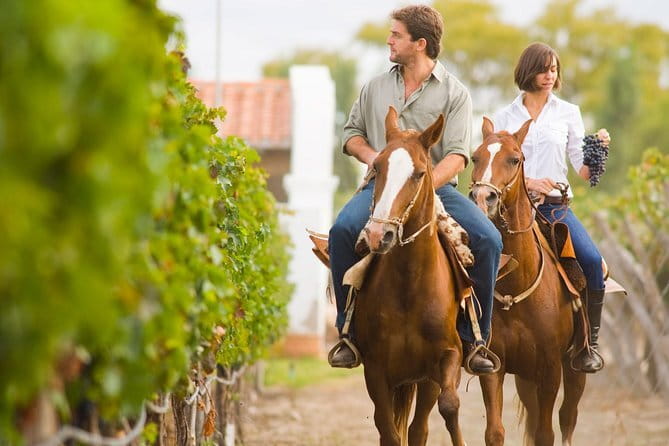
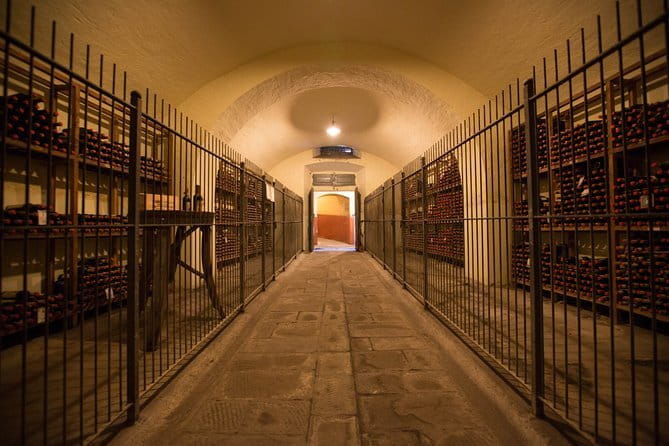
The vinsantaia is where the tour gains a distinctly Tuscan character. Vin Santo is a traditional sweet wine made through a slow aging process, and it is often served with dessert or hard cheese. At Capezzana, it is part of the five-wine tasting rather than an afterthought.
I would pay close attention when this glass arrives. The estate’s Vin Santo receives special praise, and it may be the bottle that makes the tasting feel different from a standard red-and-white flight. If you usually skip sweet wine, this is a good chance to test that habit in a place where the style belongs.
The vinsantaia visit also gives you a reason to look beyond the final tasting table. The tour shows you a specific part of the estate’s wine tradition, not just the finished product. You may not get a long technical explanation, but the stop adds useful context to the glass in front of you.
A different way to spend the same Florence day:
- Florence: Skip-The-Line Uffizi Gallery Timed Entry Ticket
★ 4.5 · 27,832 reviews - Florence: Timed Entrance Ticket to Michelangelo’s David
★ 4.6 · 16,983 reviews - Florence: Michelangelo’s David Skip-the-Line Entry Ticket
★ 4.5 · 12,764 reviews - The Best tour in Florence: Renaissance & Medici Tales – guided by a STORYTELLER
★ 5.0 · 12,316 reviews
Five wines, from Trebbiano to Tuscan reds
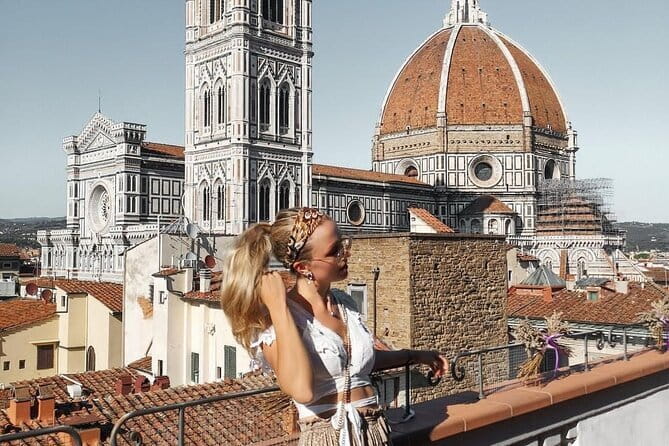
The tasting includes five wines. A session can begin with Trebbiano, a light white wine, then move into red wines associated with Capezzana. Vin Santo is another important part of the selection.
The order matters. Starting with a delicate white gives your palate a gentle opening before the heavier reds. The range also lets you compare different styles from one estate rather than judging Capezzana on a single bottle.
I like tastings that give you a clear progression, and this one appears designed that way. Still, do not expect the same exact flight on every date unless the provider specifically confirms it. The information names five wines and examples from the estate, but it does not promise particular vintages.
The pace is another point to watch. One account describes the glasses being poured too quickly and reused without enough explanation. That would make it harder to understand the differences between the wines. If your host moves fast, ask for a little time between pours and request the names again. You paid for the tasting, so you should be able to follow it.
Olive oil, bread, and the question of food
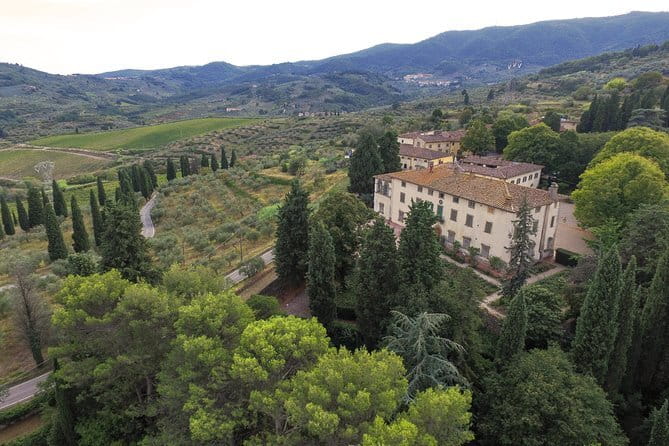
Extra virgin olive oil is included in the experience. This is more valuable than it may sound. Tuscan olive oil has a strong role at the table, and tasting it directly lets you notice its peppery, grassy character instead of treating it as background seasoning.
Food accompaniment is less certain. One excellent session included olive oil, saltless Tuscan sourdough bread, pecorino cheese, and charcuterie. That combination would turn the tasting into a generous light meal, especially alongside five wines.
Another session included only a few pieces of bread. Because the formal description specifically guarantees olive oil and wine, but not a full food board, I would not arrive hungry and assume cheese and meat are included. If the food matters to you, confirm it before booking or plan a meal separately.
The distinction affects value. At $53.61, the experience looks fair for a guided estate visit and five wines. It looks even better with a proper snack spread. Without it, the setting and wine selection need to carry more of the price.
Views, terrace atmosphere, and estate character
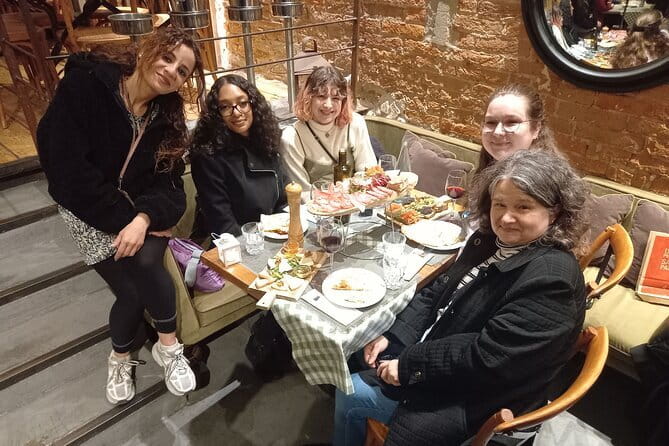
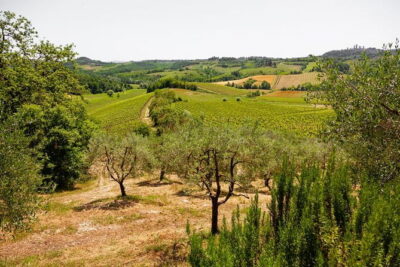
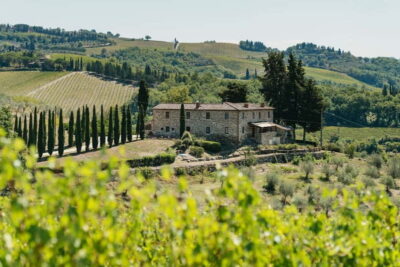
Capezzana’s setting is repeatedly described as beautiful, with a terrace that can look toward Florence. That view is one of the reasons I would choose this experience over an anonymous urban tasting bar.
The property also has a relaxed, informal feel. It is described as carefully maintained without feeling stiff, and the terrace can be used for tastings or meals. Another account describes dinner served there, but dinner is not part of the two-hour wine tour, so treat that as a separate estate offering.
The atmosphere may not always be quiet. One session was affected by loud music from the kitchen area. Some people will find that lively; others will want a calm setting for listening and tasting. If you care about a peaceful presentation, the timing of your visit may matter.
This is also a place where the surroundings can compensate for a less polished explanation. Even if your host is brief, you still get the garden, cellar, vinsantaia, wines, and view. That said, the guide remains important, and the experience is clearly better when the English presentation is easy to hear.
Group size and the human side of the visit

The maximum group size is 20 people. That is small enough to avoid a large coach-tour feel, though it is not a guarantee of an intimate tasting. A group of 20 can make questions and conversation harder, especially if the host is speaking softly.
Some sessions may be much smaller. One account describes being the only people booked for a particular time, which allowed for a more personal visit. You should see that as a pleasant possibility, not something promised with every reservation.
The guide can shape the whole experience. Filippo is named in a particularly warm account, with praise for his explanation of Capezzana’s family wine culture. Other sessions may use different staff, and the quality of English delivery may vary.
I recommend arriving ready with two or three questions. Ask which wine is the estate favorite, how the Vin Santo is aged, or what food the staff would pair with the reds. A good question can turn a short tour into a more useful conversation.
Who will get the most from this tour
I think this experience suits you if you want:
- A short wine outing close enough to combine with a Florence visit
- A scenic estate rather than a city tasting counter
- Five wines in one sitting, including a sweet Tuscan wine
- A look at the cellar and vinsantaia, not just a table service
- A relaxed introduction to Capezzana without spending a full day on wineries
It is less suitable if you want a long vineyard hike, a guaranteed lunch, or a highly technical presentation. It also may disappoint you if you need a perfectly controlled English-language lecture for every minute of the visit.
Wine beginners should find the format approachable, provided the host explains the pours clearly. Experienced wine drinkers may appreciate the range and estate setting, but should not expect a master class based on the short duration.
The experience is also a good fit for people who like places with a sense of family ownership and continuity. The Capezzana story is part of the appeal, especially when a guide such as Filippo brings that background into the conversation.
Price, booking, and practical planning
At $53.61 per person, the price buys more than five samples. You are paying for access to the estate, the rose garden, historical cellar, vinsantaia, olive oil tasting, and the host’s time. That package is solid value if all the elements are delivered at a comfortable pace.
I would be cautious about comparing the tour price with the cost of buying a bottle on site. One account found certain bottles cheaper later at a Coop supermarket than at the winery. That does not change the value of the tour itself, but it is a useful reminder not to assume the estate shop always has the lowest retail price.
Booking confirmation arrives within 48 hours and depends on availability. The activity is offered in English, uses a mobile ticket, and allows service animals. Most people can participate.
Free cancellation is available if you cancel at least 24 hours before the local start time. Changes or cancellations inside that window are not accepted for a refund. Since the provider may need time to arrange the visit, check your confirmation carefully before setting out.
Should you book the Capezzana tasting?
I would book this if you want a compact Tuscan wine experience with a real sense of place. The rose garden, cellar, vinsantaia, five wines, olive oil, and Florence-facing views give you a fuller visit than a simple tasting flight.
I would book with two expectations in mind. First, food beyond the olive oil and wine is not guaranteed. Second, the quality of the explanation depends heavily on the host and the group. If you can accept those limits, $53.61 is a fair price for two hours at an attractive estate.
Choose Capezzana for atmosphere, Vin Santo, and a manageable visit outside Florence. Skip it if your priority is a long winery tour, guaranteed lunch, or a fully formal English presentation.
FAQ
Where does the wine tour begin?
The tour begins at Tenuta di Capezzana, Via Capezzana 43, 59015 Carmignano PO, Italy.
Where does the activity end?
The activity ends back at the same meeting point at Tenuta di Capezzana.
How long does the experience last?
The experience lasts approximately two hours.
How many wines are included?
The tasting includes five wines. Examples associated with the experience include Trebbiano, Tuscan red wines, and Vin Santo.
Is olive oil included?
Yes. A tasting of extra virgin olive oil is included.
Is food included with the wine tasting?
Extra food is not clearly guaranteed. Some sessions have included bread, pecorino cheese, and charcuterie, while another had only a few pieces of bread. Confirm the food arrangements if this affects your decision.
Can I cancel for a full refund?
Yes, if you cancel at least 24 hours before the experience start time. Cancellations or changes made less than 24 hours before the start are not accepted for a refund.
Latest additions around Florence
- Florence: Cathedral Tour & Brunelleschi’s Dome Climb Ticket★ 5.0 · 3 reviews
- Palatina Gallery and Pitti Guided Tour in Florence★ 5.0 · 3 reviews
- Florence Uffizi Gallery Skip-the-line Tour w Art Historian Guide★ 5.0 · 3 reviews
- Private Tour: Pisa and Lucca from Florence★ 5.0 · 3 reviews
- San Gimignano Bike Tour (SOFT)★ 4.5 · 3 reviews
- Florence: Tour of Florence by rickshaw★ 5.0 · 3 reviews
- Center of Florence by golf cart★ 5.0 · 3 reviews
- From Firenze | Chianti day tour in a classic car★ 5.0 · 3 reviews
Wine Tours, compared.
Tuscany Day Trip from Florence: Siena, San Gimignano, Pisa and Lunch at a Winery
Read our review →
Small-Group Wine Tasting Experience in the Tuscan Countryside
Read our review →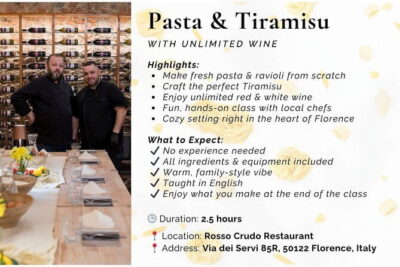
Pasta & Tiramisu Cooking Class with Unlimited Wine
Read our review →
Pisa, Siena and San Gimignano Day Trip with Lunch & Wine Pairing
Read our review →