
Reviewed · CHIANTI WINE TOURS
Tour and Tasting at an Organic Winery in the Heart of Chianti Classico Area
Fattoria di Montemaggio gives you the part of Chianti many quick tastings skip: the working vineyard and cellar. You walk among the vines, learn how organic farming shapes the crop, then follow the grapes indoors before sitting down with Francesco, a warm and highly skilled guide and sommelier, for a serious tasting.
I like two things here. First, the small scale keeps the visit personal, with a maximum of 14 people. Second, the tasting includes the estate’s own extra-virgin olive oil, bread, cheese, and salami, so you are learning how wine fits into everyday Tuscan food. The main drawback is the approach: the winery is remote, and the final dirt road can be rough and hard to find.
In This Review
- Key points at a glance
- A working organic winery in Chianti Classico
- What happens during the two-hour visit
- 1. Walking through the vineyards
- 2. Seeing the cellar and production areas
- The tasting: five wines with Tuscan snacks
- Why the guide makes such a difference
- Getting to Fattoria di Montemaggio
- Price, group size, and overall value
- Who will enjoy this Chianti wine tour?
- Weather and cancellation details
- My booking advice
- FAQ
- Where does the tour start and finish?
- How long does the experience last?
- What is included in the price?
- How many wines will I taste?
- Is transportation from my hotel included?
- Can I cancel for a full refund?
Key points at a glance
- Organic farming in the vines: See how the winery tends its grapes and learn about the working cycle from vineyard to bottle.
- Francesco’s wine lesson: Expect clear explanations of color, aroma, tannins, grape size, and tasting technique.
- Five wines or more: The advertised tasting covers five products, while some sessions include six or seven wines.
- Estate-made food: Bread, cheese, salami, and Fattoria di Montemaggio olive oil make this more than a stand-up pour.
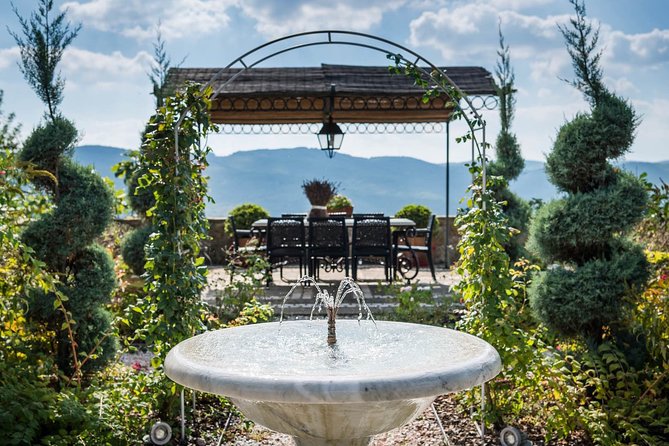
- A remote Chianti setting: The hilltop location offers lovely views, but the rough access road calls for extra time and care.
- Small-group atmosphere: With no more than 14 participants, questions and one-to-one attention are realistic.
A working organic winery in Chianti Classico
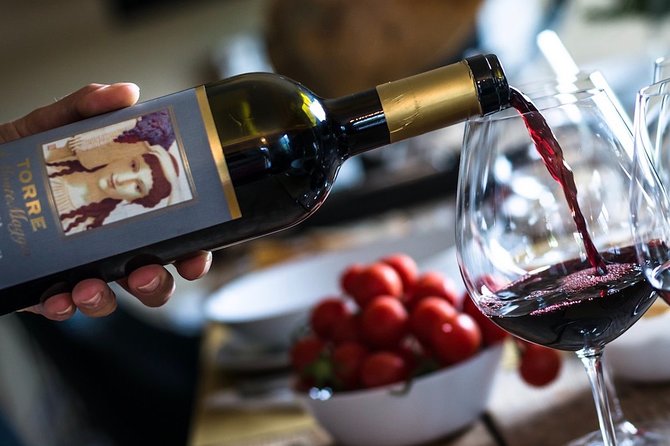
Fattoria di Montemaggio sits in the Radda in Chianti area, in the middle of the Chianti Classico zone. This is not a tasting room dropped beside a main road. You are going to a working farm where wine and olive oil are made on the property.
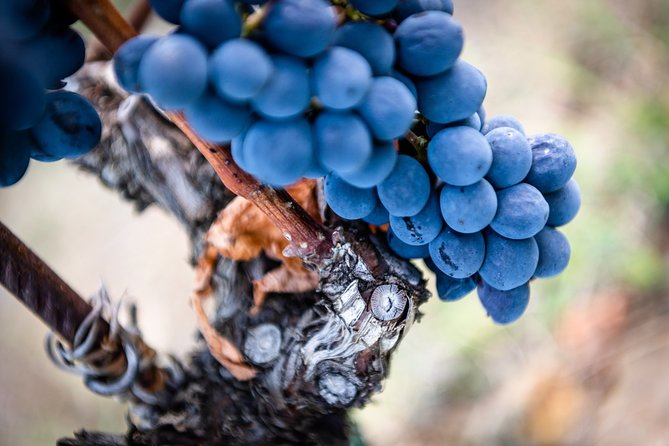
That setting changes the tone of the visit. Instead of starting with a polished sales pitch, you begin with the source of the wine: the vineyard. The tour explains how the vines are cared for under organic farming methods and how the work changes through the growing season.
You will not simply hear that the wine is organic and move on. The point is to understand what that choice means in practice. The guide connects vineyard work with grape selection, harvest decisions, and the later stages of production. For anyone curious about how a Chianti Classico develops from fruit into a finished bottle, this is the most useful part of the visit.
The property also has a strong family and small-producer feel. One especially appealing detail is the presence of truffle dogs, Birra and IPA, at the farm. They are not the focus of the tour, but they add a bit of country life to the experience and remind you that this is a rural estate, not just a wine attraction built for day trips.
More Chianti cellar runs:
- Cooking Class on a Family Farm in Chianti with Lunch
★ 5.0 · 165 reviews - Greve in Chianti Wine Tasting and Winery Tour
★ 4.5 · 119 reviews - Montefioralle Winery – Tour and Wine Tasting in Chianti
★ 4.5 · 92 reviews
What happens during the two-hour visit
The experience lasts about two hours, though one account describes a visit closer to three hours. Plan around two hours as the official timing, but avoid scheduling a tight connection afterward. The rhythm is relaxed, and a good tasting can easily run long when the guide is answering questions.
1. Walking through the vineyards
The visit begins outdoors among the vines. You learn where Chianti wine starts and how the winery handles its organic agriculture. The explanation covers the vineyard’s working process and the yearly life cycle of the vines, including the selection of grapes before they move into production.
This walk matters because it gives the later tasting some structure. Once you know that grape size, ripeness, and selection can affect the finished wine, you have something specific to look for in the glass. You are not expected to arrive with technical wine knowledge. Francesco has a gift for making the subject understandable without talking down to anyone.
The views are part of the pleasure. Montemaggio is high and remote, with broad Tuscan scenery around the farm. Bring practical shoes, since the visit takes place in a working rural setting rather than on a paved museum route. The supplied details do not promise a long hike, so think of this as a vineyard walk and explanation, not a strenuous country trek.
2. Seeing the cellar and production areas
After the vineyard, you walk through the cellar. Here the focus shifts from growing grapes to turning them into wine. The guide explains local winemaking methods and the steps that shape the character of Chianti Classico.
This is where the small winery format pays off. At a large commercial estate, you may hear a standard script and move along with a crowd. At Montemaggio, the visit is built around questions and conversation. Francesco has worked at the winery for 11 years and brings a family connection to viticulture, having grown up helping on a farm and learning the trade from an early age.
His role is not limited to pouring glasses. He explains how to assess wine by color and smell, how tannins feel, and how differences in grapes can show up in the final taste. One particularly useful lesson concerns grape size and its effect on flavor. These are small details, but they give you a better way to understand what is in your glass later in the trip.
The cellar portion also helps explain why the estate’s wines can feel different from bottle to bottle. This is a boutique producer focused on quality rather than mass production. The tour presents that as part of the winery’s identity, not as a claim that every wine will suit every palate.
More Chianti wine afternoons:
- Livorno Shore Excursion: Chianti and Tuscany Countryside Private Wine Tour
★ 5.0 · 56 reviews - Winery tour & wine tasting in Montalcino
★ 4.5 · 41 reviews - Winery Tour & Gourmet Tasting in Montalcino
★ 5.0 · 14 reviews - Private Tuscan Cooking Class And Wine Tasting in Radda in Chianti
★ 5.0 · 12 reviews
The tasting: five wines with Tuscan snacks
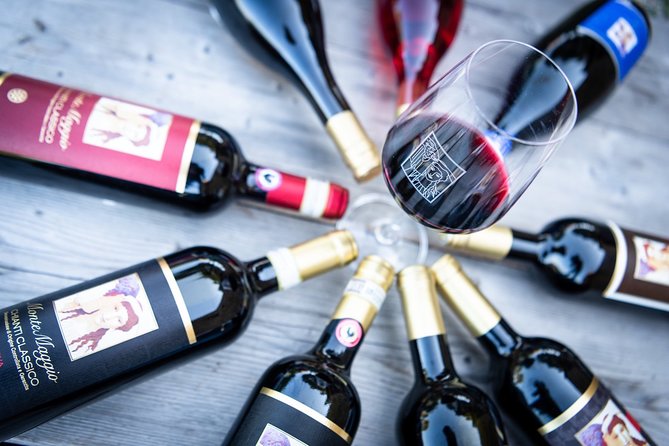
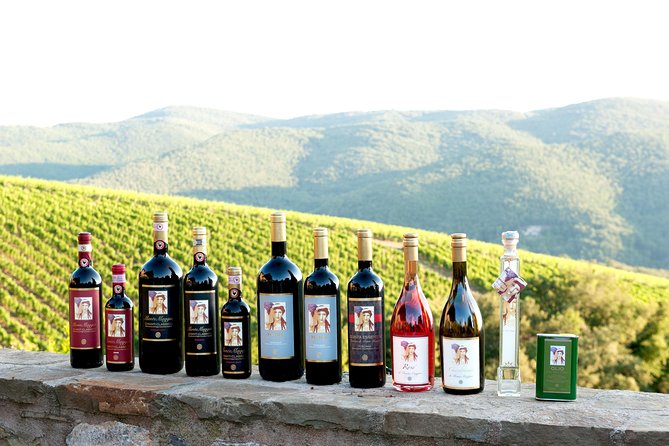
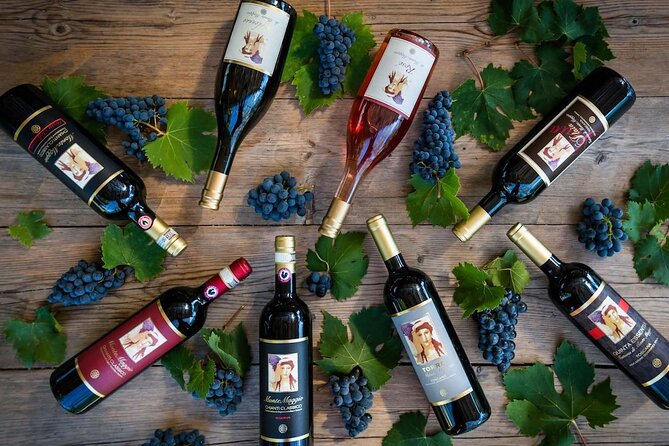
The tasting includes five products, with some sessions offering six or seven wines. The exact lineup may vary, but you can expect several wines from the estate, including Chianti Classico selections, presented with background on how each was made and what distinguishes it.
The pours are described as good-sized samples, which is worth noting at a price of $48.36 per person. You are not paying for one token taste and a quick exit. You receive a guided tasting with enough wine to compare styles and notice differences across the range.
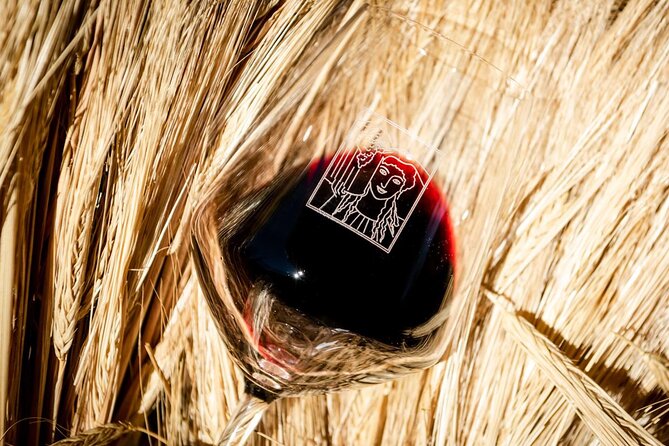
Francesco’s method is educational rather than showy. He walks you through the basics of tasting: look at the color, smell the wine, taste it, and pay attention to structure and finish. He also explains tannins in a way that makes sense to people who do not normally use wine vocabulary.
The food begins with bread and the farm’s extra-virgin olive oil. Cheese and salami accompany the wine, turning the final part into a light Tuscan snack rather than a formal meal. The olive oil is especially worth your attention. You taste it in its natural setting, alongside products made at the same estate, and several accounts single it out as a highlight.
I like this pairing because it keeps the experience grounded. Chianti is not meant to be treated as a laboratory sample. Bread, cured meat, cheese, and olive oil show how the wine works with the food of the region. You leave with a clearer sense of the local table, not just a list of bottles.
This is still a tasting, not lunch. The included food is described as light refreshments and a small snack. If you need a full meal, plan one separately.
Why the guide makes such a difference
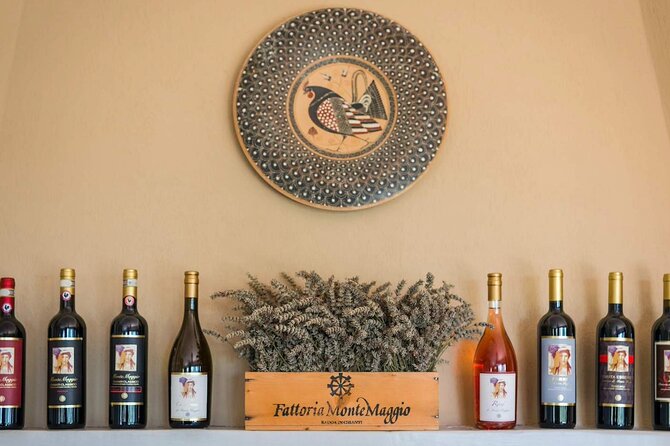
The strongest part of this experience is the guide. Francesco is repeatedly described as friendly, funny, patient, and clear. Those qualities matter in a wine tour because the subject can quickly become too technical or too vague.
He has the background to explain the details, but he does not make the session feel like an exam. You can ask basic questions about grapes and tasting without feeling out of place. At the same time, people who already know wine should find enough substance in the discussion of tannins, grape selection, production, and Chianti Classico.
The tour can also work well for a very small booking. One person received a full tour and tasting even though no one else was booked at the time. That suggests the staff takes the appointment seriously rather than treating a small group as an afterthought.
The winery team shares the work of the farm, and that modest, hands-on attitude comes through in the visit. The experience is not built around luxury service or grand ceremony. It is built around people who care about the land, the bottles, and the chance to explain what they do.
Getting to Fattoria di Montemaggio
The meeting point is Fattoria di Montemaggio, Località Montemaggio, 53017 Radda in Chianti SI, Italy. The activity begins and ends at the winery, with no hotel pickup or drop-off included.
This is the practical issue to take most seriously. The winery is remote, and the final approach includes a bumpy dirt road. A small car can make it, but careful driving in first gear may be needed. You should allow extra time and avoid assuming that a standard map route will tell the whole story.
One person missed the tour after using an incorrect meeting-point address. The supplied address is the one to use, but I would still confirm the exact route with the provider before setting off. If your navigation app sends you somewhere else, stop and check rather than racing to the appointment.
A taxi is possible in principle, but the tour does not include transport. One participant needed help arranging a cab back to a hotel, and the guide assisted. That is kind service, but it is not a substitute for planning your ride in advance.
If you are driving, arrive early. The rural approach is part of the setting, yet it can be stressful if you are already late. The road itself is not a reason to skip the tour, but it is a reason to treat the meeting time seriously.
Price, group size, and overall value
At $48.36 per person, this is good value for a two-hour visit if you want more than a casual glass of wine. The cost covers the vineyard walk, cellar tour, guide, wine tasting, beverages, and light food including estate olive oil, bread, cheese, and salami.
The value improves for people who care about learning. A simple tasting can be cheaper, but it will not necessarily show you the vineyard, explain organic farming, or teach you how to compare wine with a trained sommelier. Here, the education is a major part of what you are buying.
The group limit of 14 is another plus. That is small enough for direct questions and personal attention, though your exact group may be smaller. The experience can even become close to private when bookings are light.
The price does not include hotel transportation, and the remote location may add taxi or car costs. Include those in your budget. You should also remember that wine purchases are separate, although several people chose to bring bottles home.
The experience has a listed rating of 4.9 out of 5 from 132 ratings, with 98 percent recommending it. Those figures fit the pattern of the visit: the guide, the wine, and the setting are the main strengths. The access road and meeting-point issue are the clear weak spots.
Who will enjoy this Chianti wine tour?
I would choose this for you if you want to understand how wine is made, not just taste it. It suits curious beginners because the explanations are clear, and it gives experienced wine drinkers enough detail to keep the session interesting.
It is also a good fit for anyone staying in or touring the Chianti Classico area with a car. The winery’s remote position becomes part of the pleasure when you have time to enjoy the drive and the views.
Food lovers should appreciate the estate olive oil and the simple local snack. The tasting feels tied to Tuscan farming rather than separated from it.
You may want a different experience if you need an easy roadside stop, a full meal, or hotel pickup. The remote road is not ideal for anyone uncomfortable with rough rural driving. The available details say most people can participate, and service animals are allowed, but the tour does not promise a fully paved or step-free route.
The minimum drinking age is 21. Anyone under that age should not expect to take part in the wine tasting.
Weather and cancellation details
The experience requires good weather. If poor weather forces a cancellation, you are offered another date or a full refund. The same applies if the minimum number of participants is not met.
You can cancel for a full refund up to 24 hours before the start time. Changes or cancellations made less than 24 hours ahead are not accepted for a refund, and the cut-off follows local time.
That policy makes early planning useful, especially since the rural drive needs extra time. Check the forecast and your route before the final day.
My booking advice
I would book this tour if you want a personal, educational look at organic Chianti wine and you can manage the drive to a remote hilltop farm. The combination of vineyard, cellar, thoughtful instruction, several wines, and estate-made food gives you real value for the price.
Book it especially if Francesco is leading your session. His ability to explain wine in plain terms is a major part of the appeal. The dogs, views, and olive oil add charm, but the guide is what turns a basic tasting into a useful lesson.
I would skip it only if you need simple access, organized transport, or a full lunch. For everyone else, Fattoria di Montemaggio offers a grounded taste of Chianti Classico, with enough detail to make the next bottle you open more interesting.
FAQ
Where does the tour start and finish?
The tour starts at Fattoria di Montemaggio, Località Montemaggio, 53017 Radda in Chianti SI, Italy. It ends back at the same meeting point.
How long does the experience last?
The stated duration is approximately two hours. Individual visits may run longer, so avoid arranging an immediate appointment afterward.
What is included in the price?
The price includes the winery tour, vineyard and cellar visit, wine tasting, beverages, light refreshments, and snacks. Bread, olive oil, cheese, and salami accompany the tasting.
How many wines will I taste?
The advertised tasting includes five products. Some sessions may include six or seven wines, depending on the tasting.
Is transportation from my hotel included?
No. Hotel pickup and drop-off are not included. You must arrange your own transportation to and from Fattoria di Montemaggio.
Can I cancel for a full refund?
Yes. You can cancel up to 24 hours before the experience begins for a full refund. Cancellations made less than 24 hours before the start time are not refundable.
Latest additions around Chianti
- Chianti – Pizza and Tiramisu Course for Only Small Groups★ 5.0 · 5 reviews
- Chianti Truffle Hunting with Lunch or Dinner★ 4.0 · 5 reviews
- MONTALCINO Private E-Bike & Brunello Winery Experience★ 5.0 · 5 reviews
- Winery Tour & picnic in the vineyard with a bottle of wine★ 4.5 · 5 reviews
- Montalcino wine tour★ 4.0 · 6 reviews
- 1-Hour Experience with Brunello. Visit to the Vineyard and Cellar★ 4.5 · 6 reviews
- Montalcino Cooking Class and lunch with the local lady★ 4.5 · 8 reviews
- Brunello E-Bike Tour★ 5.0 · 8 reviews
Chianti Wine Tours, compared.
Pisa, Siena, San Gimignano, and Chianti Experience
Read our review →
San Gimignano, Siena, Monteriggioni, Chianti Day Trip with Lunch & Wine Tasting
Read our review →
Pisa, Siena, S. Gimignano, Chianti Wine & Lunch
Read our review →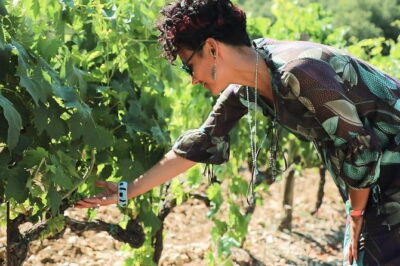

Siena, San Gimignano and Chianti Wines Day Tour from Florence
Read our review →
S. Gimignano, Siena, Chianti & Wine Tasting Lunch
Read our review →Browse the lists this tour appears in