
Reviewed · CHIANTI WINE TOURS
From Florence: Small Group Chianti Wine Tour with Lunch
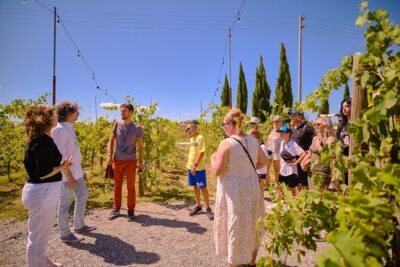
Chianti is at its best when you can compare it stop by stop, and this small-group wine tour does exactly that. You visit three wineries with different characters, from striking modern cellars to a castle estate and a boutique producer, while a sommelier explains what is in your glass.
I like the intimate group size, capped at eight, and the comfortable Mercedes minivan with Wi-Fi. I also like the lunch stop, where wine is matched with Tuscan foods rather than treated as a separate tasting exercise. The main consideration is the price: at $237 per person, this is not a cheap day out, and six or more hours of wine tasting may feel too full for casual drinkers.
In This Review
- Key points
- Leaving Florence for the Chianti Hills
- The first winery, modern design and Tuscan tradition
- Greve in Chianti, a pause between tastings
- The castle estate and its centuries of character
- Tuscan lunch at a boutique winery
- Learning what is in the glass
- Is $237 a fair price?
- Timing, comfort, and practical details
- Who will enjoy this Chianti day?
- Should you book it?
- FAQ
- Where does the tour meet in Florence?
- Is hotel pickup included?
- How long does the tour last?
- How many people are in the group?
- What language is the tour conducted in?
- How many wineries will I visit?
- Are wine tastings included?
- Is lunch included?
- Can children join the tour?
- Can I cancel for a refund?
Key points
- Three different wineries: Compare a major producer, a historic castle estate, and a smaller boutique winery.
- A sommelier-led day: Learn to identify acidity, aromas, scents, flavors, and food pairings.
- Lunch with local foods: Expect Tuscan specialties such as cured meats, cheeses, olive oil, pasta, and dessert.
- Greve included: Stop in the iconic Chianti village for photos, a walk, and time around the square.
- Small group of up to eight: The format makes questions and conversation easier than on a large coach tour.
- A full half-day: The 6.5-hour schedule gives you a real taste of the region without using an entire day.
Leaving Florence for the Chianti Hills
The meeting point is on Via dei Vagellai, number 22 red, at the corner of Piazza Mentana, opposite the Arno River. You need to reach this point yourself, since transport from your hotel is not included.
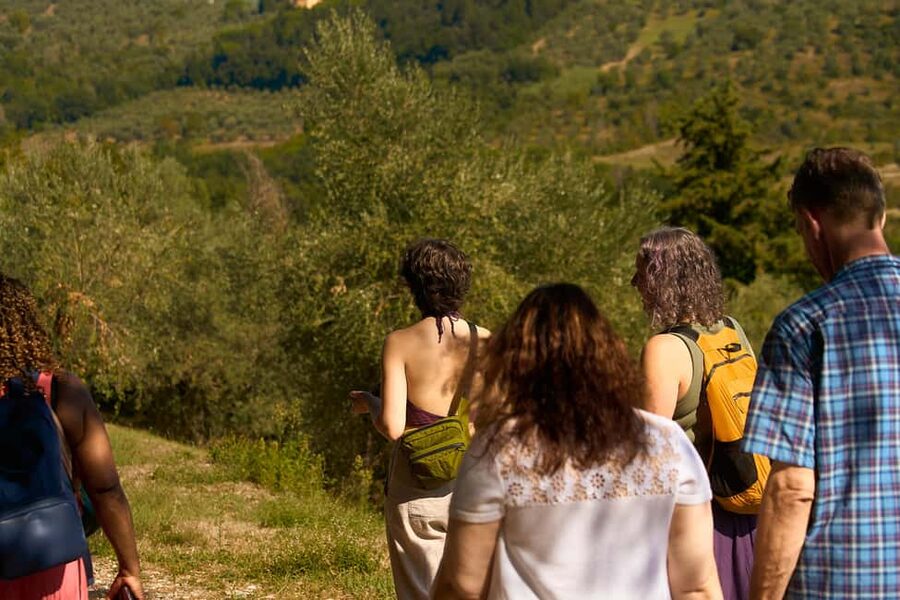
From there, the Mercedes minivan takes you out of Florence toward the Chianti hills. This is an important part of the experience. You are not simply being delivered to a tasting room. The changing views of vineyards, olive groves, hill roads, and old stone buildings help explain why Chianti wine has such a strong sense of place.
The vehicle matters, too. A small minivan is far more pleasant than a full-size coach on country roads, and the free Wi-Fi is useful if you want to check maps, messages, or restaurant plans during the day. The group limit of eight also means the guide can answer questions without shouting over a busload of people.
The guide is central to the quality of the day. Several guides have led this experience, including Carlotta, Grace, Christina, Grazia, Antonella, Gabriele, Brando, Lapo, and Eleanora. Their roles go beyond pouring wine. They explain the countryside, help with questions, and, in some cases, guide you through parts of the winery visits themselves.
More Chianti cellar runs:
- Florence: Pisa, Siena, San Gimignano, and Chianti Experience
★ 4.5 · 8,393 reviews - Florence: Chianti Wineries Tour with Wine Tasting
★ 4.5 · 8,301 reviews - San Gimignano, Siena, Monteriggioni, Chianti Day Trip with Lunch & Wine Tasting
★ 4.5 · 4,432 reviews
The first winery, modern design and Tuscan tradition
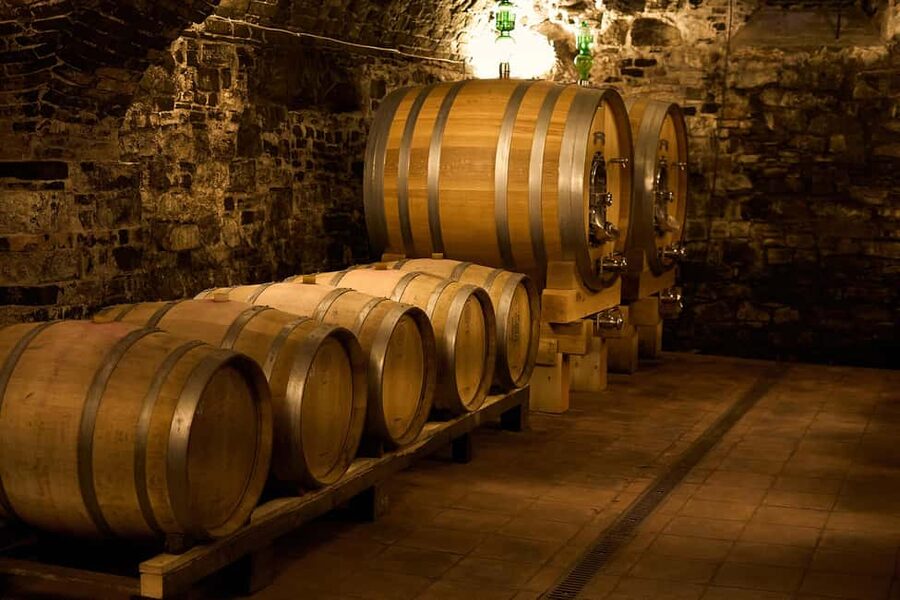
The first stop is a major Chianti producer with contemporary cellars built in harmony with the surrounding setting. The vineyard covers the building, creating an unusual meeting of architecture and agriculture.
This is a useful opening stop because it introduces the scale and technical side of wine production. You learn about the producer’s methods, its approach to the future, and the conditions that help grapes grow in the area. Your sommelier can explain how soil, exposure, climate, and production choices affect the finished wine.
The tasting may include several styles, not only red Chianti. Past tastings have included white wine, rosé, several reds, olive oil, and Super Tuscan wines. The exact pours can vary, but the point is comparison. You begin to notice that wine tasting is not just about deciding if you like a bottle. It is also about recognizing body, acidity, aroma, finish, and the way wine changes with food.
This stop should suit you if you enjoy learning how a wine business works. It is less suited to someone who wants only a quick glass with a view. There is explanation, production detail, and a proper cellar visit.
Greve in Chianti, a pause between tastings
The route includes a stop in Greve in Chianti for photos and sightseeing. Greve is a useful break in the rhythm of the day. After a winery visit, you can walk around the square, browse shops, and get a closer look at a Chianti town rather than seeing only vineyards from a vehicle window.
Do not expect a long independent visit. The stop is part of a guided schedule, so your time is limited. Still, even a short walk gives the day some variety. You get a village, local shops, and a chance to stretch your legs before the next tasting.
I especially like this inclusion because wine tours can become repetitive. Three cellars in a row, even good ones, can blur together. Greve breaks up the tastings and gives you a small but genuine look at local life.
Bring comfortable shoes for the village stop and winery visits. The activity description does not promise extensive walking, but the day includes cellars, vineyards, and sightseeing, so this is not a stay-seated-all-day excursion.
The castle estate and its centuries of character
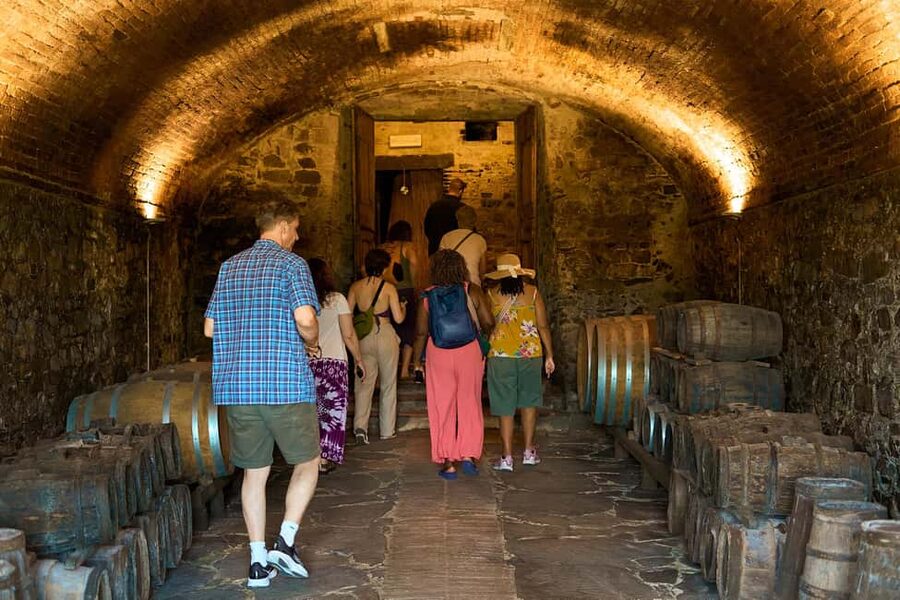
The second winery offers a very different setting. Massive towers from a 13th-century castle rise above olive groves and vineyards, giving you the kind of Tuscan setting many people picture before arriving in the region.
Here, the cellar visit helps connect the wine to the property’s past. You taste the producer’s wines after seeing where they are made, rather than treating the bottles as anonymous products. The contrast with the first modern winery is valuable. One stop shows a large producer working with contemporary design, while this estate connects wine to an older architectural setting.
The guide can also help you understand the distinction between Chianti and Chianti Classico. These names are related but not interchangeable. Chianti is a broad wine area, while Chianti Classico comes from the historic central zone between Florence and Siena. The term Classico points to the original production area, not simply a higher grade of wine.
That distinction matters when you shop for bottles later. The label tells you something about where the wine comes from and the rules behind its production. A good guide will make this clear without turning the visit into a lecture.
More Florence wine afternoons:
- Tuscany Day Trip from Florence: Siena, San Gimignano, Pisa and Lunch at a Winery
★ 5.0 · 21,634 reviews - Florence: Pasta Cooking Class with Unlimited Wine
★ 4.9 · 10,285 reviews - Small-Group Wine Tasting Experience in the Tuscan Countryside
★ 5.0 · 7,392 reviews - Florence: Pasta & Tiramisu Cooking Class with Unlimited Wine
★ 4.9 · 6,708 reviews
Tuscan lunch at a boutique winery
The third estate is described as a boutique winery, and this is where the day shifts from formal tasting toward a meal. You sample the producer’s wines alongside traditional Tuscan food, olive oil, and other local products.
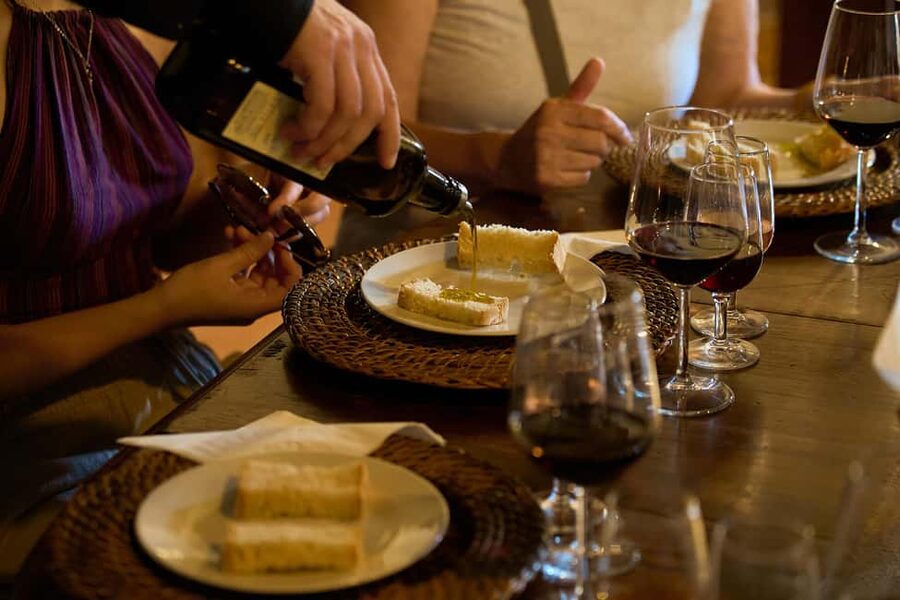
A typical lunch format has included cured meats and cheeses with white wine, pasta with red wine, and lemon sorbet to finish. The precise menu can change, and special dietary needs should be reported in advance. Gluten-free bread and pasta have been provided for a guest with gluten sensitivity, but you should still notify the supplier before the tour rather than assume a substitute will be ready.
This meal is one of the strongest reasons to consider the tour. Wine makes more sense when you taste it with food. You can see how acidity cuts through richer foods, how red wine works with pasta, and how olive oil changes the taste of bread and other dishes.
The setting also makes lunch feel like part of the regional visit, not a pause at a standard restaurant. You are eating at a wine estate and continuing the tasting in a more relaxed way. If your main interest is Tuscan food and wine together, this stop gives the tour more value than a schedule made up only of cellar presentations.
The limitation is that lunch is built into a fixed group itinerary. You will not be choosing freely from a restaurant menu or lingering indefinitely over each course. That tradeoff is normal on an organized day tour, but it is worth knowing if you prefer a slow, independent meal.
Learning what is in the glass
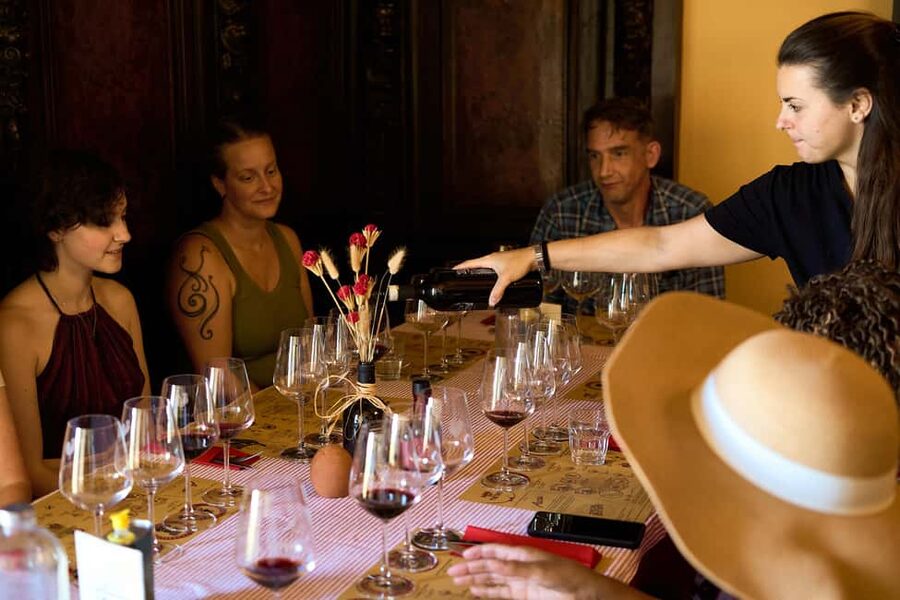
The sommelier guide is expected to explain production methods and teach you how to compare the wines. The useful lesson is not memorizing a long list of grape names. It is learning to pay attention.
You may be shown how to notice:
- Acidity: The fresh, lively quality that makes a wine feel crisp rather than flat.
- Aromas and scents: Fragrance that may suggest fruit, flowers, herbs, wood, or other notes.
- Flavor and finish: What you taste while drinking and what remains afterward.
- Texture and balance: How the wine feels in your mouth and how its parts work together.
- Food pairing: Why a wine can taste different beside cheese, cured meat, pasta, or olive oil.
The tour also introduces Super Tuscan wines, which gives the tasting a wider frame than Chianti alone. You get a chance to compare wines made in different styles and to ask which bottles fit your own taste.
The best guides adjust the conversation to the group. Carlotta, for example, is described as taking time with questions and tailoring the discussion to the family she was guiding. Gabriele also helped explain parts of the final winery visits and the surrounding area. That personal exchange is easier in a group of six or seven than on a crowded bus.
You should not expect a professional wine qualification from one afternoon. You can, however, leave with a clearer vocabulary and a better idea of what you like. That is practical knowledge you can use when ordering wine in Florence or buying a bottle to take home.
Is $237 a fair price?
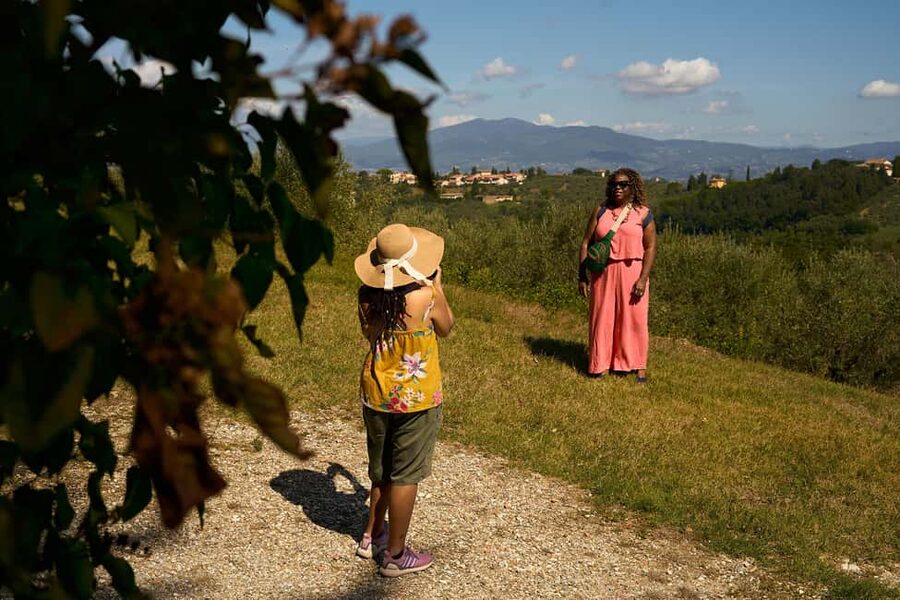
At $237 per person, the cost is high compared with a simple transfer to one winery. The price includes roundtrip transport from Florence, a live English-speaking guide, three winery visits, cellar and vineyard access, three tastings, olive oil and local product samples, the Greve stop, and a Tuscan lunch.
The value improves if you would otherwise need to arrange a private driver. Chianti is spread across the countryside, and visiting three separate estates by public transport would be difficult. A designated driver is another practical benefit, especially with tastings at every stop.
The small group adds value, too. With no more than eight people, you can ask about a particular bottle, request help with food pairing, or keep a conversation going with the sommelier. Some departures may have fewer people, but you should treat that as a possibility rather than a promise.
Still, the price may not work for everyone. If you drink little wine, do not care about production methods, or mainly want a scenic drive, a shorter and cheaper tasting may suit you better. This tour earns its price through the number of stops, the guide, the meal, and the transport, not through a single spectacular attraction.
Timing, comfort, and practical details
The tour lasts about 6.5 hours, with starting times available according to the date you choose. That makes it a manageable addition to a Florence visit. You get out into the countryside without giving up a full day for a distant excursion.
The schedule is full. It combines driving, three winery visits, tastings, a village stop, and lunch. You should avoid planning a major museum reservation or evening commitment too tightly against the return time. Country roads and group schedules can make the day less exact than a city walking tour.
The minivan has free Wi-Fi, and the tour is conducted in English. Children under 18 may join, but Italian law prevents them from receiving alcoholic beverages, so they will be served non-alcoholic drinks instead.
Tell the local supplier about mobility limitations or special requirements ahead of time. The supplier can then discuss suitable arrangements. Do not assume every cellar, vineyard, or old castle area will be equally easy to access.
Free cancellation is available up to 24 hours before the activity for a full refund, and you can reserve while paying later. These options are useful if your Florence schedule is still changing, but they do not remove the need to arrive at the Piazza Mentana meeting point on time.
Who will enjoy this Chianti day?
I would choose this tour if you want a well-organized introduction to Chianti without renting a car. It suits couples, families with adult children, and small groups who want a social day with food, scenery, and guided tastings.
It is especially good for you if you want contrast. The modern cellar, castle estate, and boutique winery offer three different views of Tuscan wine culture. The Greve stop adds a village visit, while lunch shows how the wines work at the table.
You may want another option if you prefer complete independence, long quiet meals, or one winery explored at great length. The schedule moves on after each stop, and the group format means you share the pace with other people.
The tour also works well for first-time wine tasters. You do not need to arrive with technical knowledge. The guide explains the basics and gives you several chances to practice comparing wines. Experienced drinkers may appreciate the range of producers and the chance to taste Super Tuscans alongside Chianti wines.
Should you book it?
Book this experience if you want three distinct winery visits, a real Tuscan lunch, and an expert guide without the hassle of driving. The strongest features are the small group, the mix of winery settings, and the practical wine education.
At $237, I would see it as a full-service countryside day rather than a basic tasting. You pay for transport, access, food, instruction, and the ability to compare several producers in one outing. If those elements matter to you, the price is reasonable. If you only want a scenic glass of wine, it is more than you need.
FAQ
Where does the tour meet in Florence?
The meeting point is Via dei Vagellai, 22 red, at the corner with Piazza Mentana, opposite the Arno River.
Is hotel pickup included?
No. You must make your own way to the meeting point in Florence.
How long does the tour last?
The experience lasts approximately 6.5 hours.
How many people are in the group?
The group is limited to eight participants.
What language is the tour conducted in?
The live tour guide speaks English.
How many wineries will I visit?
You will visit three wineries in the Chianti Classico region, including their cellars and vineyards where included in the visit.
Are wine tastings included?
Yes. The tour includes a wine tasting at each of the three wineries, with Tuscan wines and Super Tuscans included in the program.
Is lunch included?
Yes. A typical Tuscan lunch is included, along with olive oil and local product tastings.
Can children join the tour?
Children under 18 may join, but Italian law prohibits the sale of alcoholic beverages to anyone under 18. They will receive non-alcoholic drinks.
Can I cancel for a refund?
You can cancel up to 24 hours in advance for a full refund. The tour also offers a reserve-now, pay-later option.
More Lunch Experiences in Florence
- Florence: Pisa, Siena and San Gimignano Day Trip with Lunch
★ 4.6 · 9,771 reviews - Pisa, Siena and San Gimignano Day Trip with Lunch & Wine Pairing
★ 4.5 · 6,006 reviews - Cooking Class and Lunch at a Tuscan Farmhouse with Local Market Tour from Florence
★ 5.0 · 4,831 reviews - From Florence: Siena, San Gimignano, Pisa & Lunch at Winery
★ 4.8 · 4,538 reviews
Latest additions around Florence
- Florence: Cathedral Tour & Brunelleschi’s Dome Climb Ticket★ 5.0 · 3 reviews
- Palatina Gallery and Pitti Guided Tour in Florence★ 5.0 · 3 reviews
- Private Tour: Pisa and Lucca from Florence★ 5.0 · 3 reviews
- San Gimignano Bike Tour (SOFT)★ 4.5 · 3 reviews
- Florence Uffizi Gallery Skip-the-line Tour w Art Historian Guide★ 5.0 · 3 reviews
- Florence: Tour of Florence by rickshaw★ 5.0 · 3 reviews
- Center of Florence by golf cart★ 5.0 · 3 reviews
- From Firenze | Chianti day tour in a classic car★ 5.0 · 3 reviews
Chianti Wine Tours, compared.
Pisa, Siena, San Gimignano, and Chianti Experience
Read our review →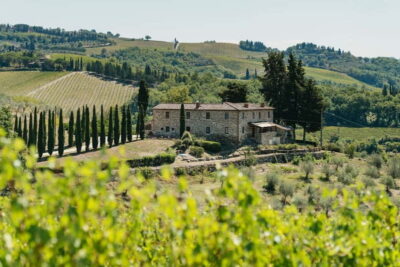
San Gimignano, Siena, Monteriggioni, Chianti Day Trip with Lunch & Wine Tasting
Read our review →
Pisa, Siena, S. Gimignano, Chianti Wine & Lunch
Read our review →

Siena, San Gimignano and Chianti Wines Day Tour from Florence
Read our review →
S. Gimignano, Siena, Chianti & Wine Tasting Lunch
Read our review →Browse the lists this tour appears in