
Reviewed · CHIANTI WINE TOURS
Discover Chianti Through its Wines
Casa Sola’s appeal is its clear from vine to glass format. You walk among vines and olive trees, enter the fermentation and aging rooms, then sit down to taste Chianti Classico, Chianti Classico Riserva, Montarsiccio I.G.T., and Vin Santo with Tuscan food.
I like the small maximum group of 12, which gives guides such as Maria, Matteo, and Alessandro room to answer questions. I also like the generous food pairing: cured ham, salami, cheese, bread with extra virgin olive oil, balsamic vinegar, and cantucci with the dessert wine.
The main catch is location. Although the experience is sold as being in Florence, Casa Sola is at Strada di Cortine 5 in Barberino Tavarnelle, outside the city, and transportation to the winery is not included. You’ll need to arrange your own way there.
In This Review
- Key points to know before booking
- Why Casa Sola makes a good first Tuscan wine visit
- Walking through vines, olive trees, and Chianti country
- Inside the fermentation room and aging cellar
- Four wines and a lesson in tasting
- The Tuscan food pairing is a real part of the visit
- What the small group changes
- Getting from Florence to Casa Sola
- Who will get the most from this wine experience
- Booking, cancellation, and small practical details
- Should you book Casa Sola?
- FAQ
- Where does the Casa Sola wine experience begin?
- Where does the activity end?
- Is transportation from Florence included?
- How long does the experience last?
- Which wines are included?
- What food is served with the wine?
- How large is the group?
Key points to know before booking
- Three named red wines: Taste Chianti Classico, Chianti Classico Riserva, and Montarsiccio I.G.T., followed by Vin Santo.
- A real cellar visit: See the fermentation area and the different oak barrels used for aging.
- Food is part of the tasting: Expect salumi, cheese, bread, olive oil, and balsamic vinegar rather than wine alone.
- Small group setting: The maximum is 12 people, with a professional guide and possible multilingual hosting.
- A useful Chianti lesson: The tour explains the difference between Chianti and Chianti Classico, along with the rules and quality changes behind each name.
- Plan your transport: Parking is included, but getting to and from Casa Sola is up to you.
Why Casa Sola makes a good first Tuscan wine visit
Many wine tastings give you a glass, a short speech, and a sales pitch. Casa Sola takes a more useful route. You begin outside, where the vines and olive trees help explain the raw materials, then move indoors to see how those materials become wine.
That order matters. When you taste the wines later, you have already seen the stages that shape them. You are not just comparing labels. You are learning why fermentation, barrel choice, aging, grape-growing methods, and local regulations affect the final taste.
The experience lasts about 90 minutes, so it fits neatly into a day in the Chianti area. It is long enough for a proper introduction, but it is not an all-day winery program with several estates and a large meal. I would choose it if you want one focused stop rather than a packed schedule.
The price is listed at $50.81 per person. For that fee, you receive a guided tour, wine tasting, food pairings, and parking. That is solid value if you appreciate the cellar explanation and the chance to taste several wines with food. It is less compelling if you only want a quick drink and a view, since you still have to arrange transport from Florence.
More Chianti cellar runs:
- Florence: Pisa, Siena, San Gimignano, and Chianti Experience
★ 4.5 · 8,393 reviews - Florence: Chianti Wineries Tour with Wine Tasting
★ 4.5 · 8,301 reviews - San Gimignano, Siena, Monteriggioni, Chianti Day Trip with Lunch & Wine Tasting
★ 4.5 · 4,432 reviews
Walking through vines, olive trees, and Chianti country
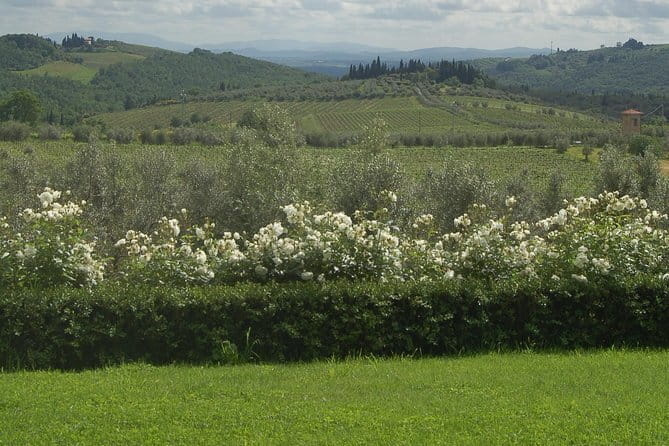
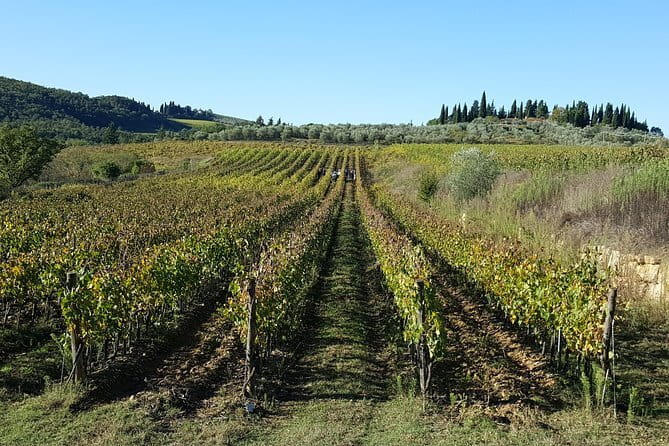
The first part takes you into the fields around Casa Sola. You see the vines and olive trees while your guide explains growing methods and the long development of Chianti as a quality-focused wine region.
This outdoor section gives the tasting a sense of place. You are learning that Tuscan wine is not simply a product made indoors. The way the grapes are grown, the rules attached to different wine names, and the local setting all shape what ends up in your glass.
You should wear practical shoes. The experience includes a walk through vineyard and olive-field areas, so this is not only a seated tasting in a polished room. The supplied details do not specify the length or terrain of the walk, but comfortable footwear is the sensible choice.
This is also where you can ask basic questions without feeling out of place. If you are new to Italian wine, ask your guide to explain Chianti versus Chianti Classico in plain language. That distinction is one of the most useful lessons offered during the visit.
Inside the fermentation room and aging cellar
After the outdoor walk, the route continues into the wine cellars. In the fermentation area, the guide explains the winery’s methods and what happens after the grapes arrive from the fields.
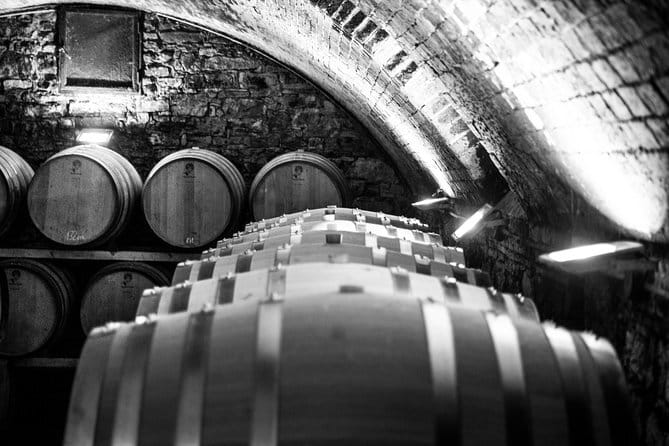
Then comes the aging area, where you see the oak barrels used for different wines. The tour points out that barrels are not interchangeable decoration. Their type and the length of time the wine spends inside them can affect aroma, texture, and flavor.
I especially value this part because it gives you something to notice during the tasting. When you later compare the Chianti Classico with the Riserva or Montarsiccio I.G.T., you have a framework for thinking about the differences. You can pay attention to body, aroma, acidity, oak, and finish instead of simply deciding which wine you like best.
The guides are a major part of the experience. Maria is specifically praised for patiently answering questions and explaining the winemaking process. Matteo also hosts visits and takes time with questions, while Alessandro has led the cellar and vineyard walk. The guide may be multilingual, so the exact host can vary.
Four wines and a lesson in tasting
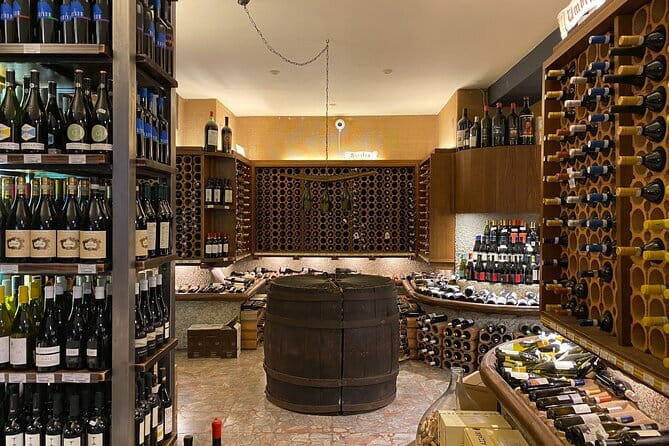
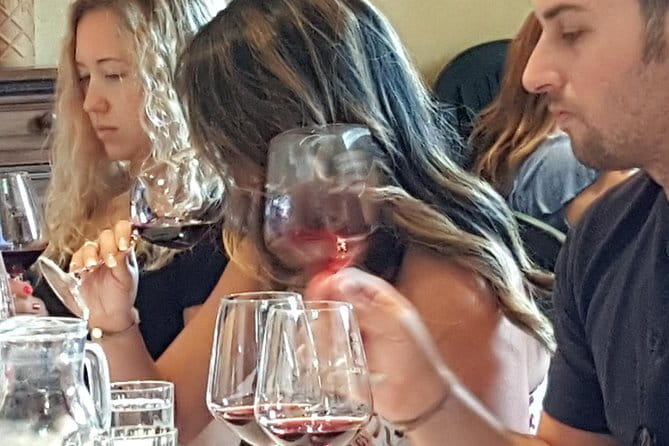
The tasting is the highlight, and it is more structured than a casual pour at a bar. You receive three red wines:
- Chianti Classico
- Chianti Classico Riserva
- Montarsiccio I.G.T.
The session also includes Vin Santo, Tuscany’s traditional dessert wine, served with cantucci biscuits. The menu describes the reds as premium wines, but the more important point is the comparison. You taste different styles from the same broad Tuscan wine culture and learn what to look for in each glass.
Your guide explains how to approach a wine and how to match it with food. That makes the tasting useful beyond this single visit. You can take the same habits to a restaurant later in your trip: look at the wine, smell it, taste it, notice how it changes with food, and consider the balance between the wine and the dish.
The three reds are paired with bread, extra virgin olive oil, local cold cuts, and cheese. You may also receive balsamic vinegar with the bread and oil. The food is not a token bowl of crackers. It gives you several ways to compare the wines.
A wine can taste different with salty prosciutto than with cheese. Olive oil and bread offer another contrast. This is a simple but effective way to show why pairing matters. If you are not used to tasting wine formally, the food helps keep the session relaxed and social.
More Florence wine afternoons:
- Tuscany Day Trip from Florence: Siena, San Gimignano, Pisa and Lunch at a Winery
★ 5.0 · 21,634 reviews - Florence: Pasta Cooking Class with Unlimited Wine
★ 4.9 · 10,285 reviews - Small-Group Wine Tasting Experience in the Tuscan Countryside
★ 5.0 · 7,392 reviews - Florence: Pasta & Tiramisu Cooking Class with Unlimited Wine
★ 4.9 · 6,708 reviews
The Tuscan food pairing is a real part of the visit
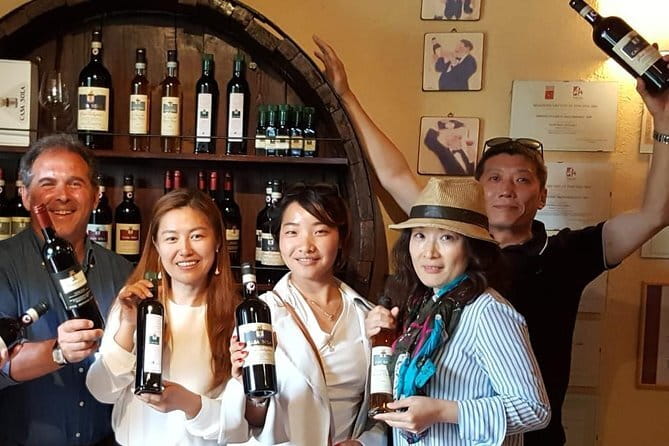
The starter is listed as cold cuts and cheese, with local salumi such as cured ham and salami. Bread is served with Casa Sola’s extra virgin olive oil and balsamic vinegar.
That combination makes the tasting feel more like a small Tuscan snack than a technical class. You can expect food with the wines, but you should not treat this as lunch. The details describe a snack and starter, not a full meal.
The Vin Santo and cantucci finish is especially traditional. Cantucci are firm almond biscuits made for dipping into the sweet wine. This closing course gives the tasting a clear Tuscan signature and lets you end with a style of wine that is very different from the three reds.
If you have dietary requirements, tell the provider when booking. The experience includes meat, cheese, bread, and wine, so it is important to raise restrictions in advance. The available information does not promise a specific substitute menu.
What the small group changes
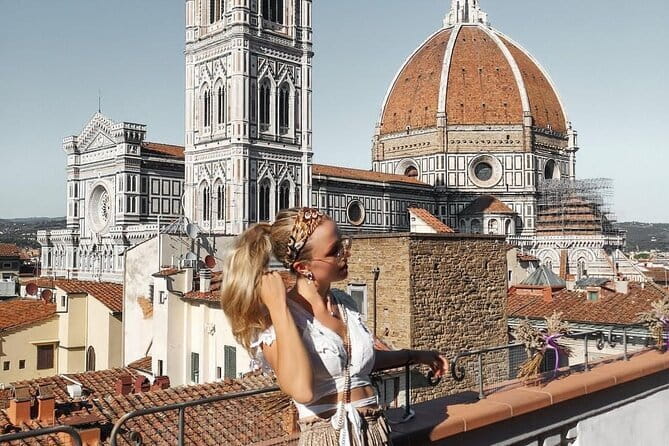
The group maximum is 12 people. That is small enough to make questions practical, especially in the cellar where a large crowd can make explanations hard to hear.
A small group also makes the seated tasting more comfortable. You have a better chance of following the guide’s explanation and discussing the wines without shouting across a room. The experience can still include people with different levels of wine interest, but the format supports conversation.
There is one tradeoff. A small-group winery visit is not a private tour. You may share the guide’s attention with up to 11 other people, and the final group size can change from one departure to another. Some past visits have been especially intimate, including occasions with only two participants, but you should not book expecting a private experience.
The social side can be part of the fun. The food and shared table give you an easy setting to talk with the people beside you. If you prefer a quiet, private tasting, check the booking conditions carefully before committing.
Getting from Florence to Casa Sola
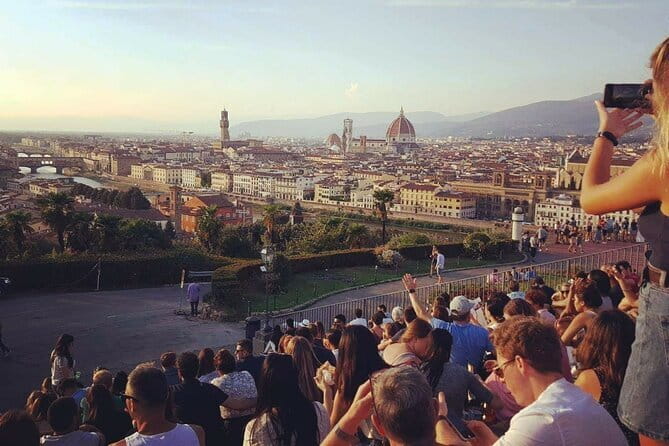
The meeting point is Fattoria Casa Sola, Strada di Cortine 5, 50028 Barberino Tavarnelle, in the Florence area. The activity ends back at the same meeting point.
This is the most important practical detail. The price does not include transportation to or from the winery. Parking fees are included, so driving is a straightforward option if you have a car and are comfortable navigating the Tuscan countryside.
If you are staying in central Florence without a car, you will need to arrange your own transport. The supplied information does not include a shuttle, train connection, taxi price, or pickup service. Do not assume that the Florence location label means you can walk from the historic center or reach the estate by a simple city bus.
Allow enough time to reach Barberino Tavarnelle and find the meeting point. Confirmation is provided at booking, and you should use those details to verify the start time and directions. Since wine is served, plan your return trip before you begin tasting.
Who will get the most from this wine experience
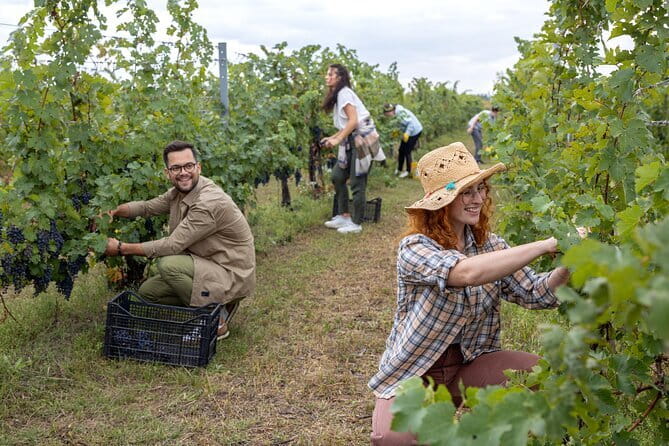
I would recommend Casa Sola to you if you want more than a photo stop. It suits people who are curious about how wine is made, want a basic lesson in Chianti classifications, and enjoy tasting with local food.
It is also a good fit for couples and small groups. The 90-minute length leaves room for another Chianti stop, a meal, or a walk in a nearby town. Wine beginners should feel comfortable here because the guide explains what to look for rather than assuming you already speak the language of wine.
You may want a different experience if your priority is a full lunch, a full-day route through several wineries, or included transportation from Florence. Casa Sola focuses on one estate and four wine styles. That focus is its strength, but it also sets clear limits.
The experience is not only for serious wine fans. The outdoor walk, old farm setting, cellar visit, and food make it appealing even if you are mainly interested in Tuscan culture. You can enjoy the place without memorizing every wine rule.
Booking, cancellation, and small practical details
The experience is offered in English, though the guide may be multilingual. Confirmation is received at the time of booking, and most people can participate.
Free cancellation is available if you cancel at least 24 hours before the scheduled start time. A cancellation made less than 24 hours ahead is not refundable, and changes inside that window are not accepted. The cut-off follows local time.
Because the tasting includes several wines, arrange a safe way back to your accommodation. If you are driving, designate a driver or choose another transport plan. Parking is included, but transport itself is not.
The activity is booked well ahead by many people, with an average booking lead time of about 40 days. That does not guarantee every date will sell out, but it is a good reason to reserve early if your Florence dates are fixed.
Should you book Casa Sola?
Book this experience if you want a well-paced introduction to Tuscan wine with a proper cellar explanation, a small group, and enough food to make the tasting comfortable. The most useful features are the comparison of Chianti Classico, Riserva, and Montarsiccio I.G.T., plus the explanation of barrels and aging.
Think twice if you need a Florence pickup, a full meal, or a private tour. You must reach Casa Sola in Barberino Tavarnelle on your own, and the food is a substantial snack rather than lunch.
For the price, I see Casa Sola as a strong choice for a first Chianti visit. You leave with more than a pleasant afternoon drink. You understand a little more about the fields, cellar, labels, food pairings, and Vin Santo ceremony that make Tuscan wine worth slowing down for.
FAQ
Where does the Casa Sola wine experience begin?
It begins at Fattoria Casa Sola, Strada di Cortine 5, 50028 Barberino Tavarnelle FI, Italy.
Where does the activity end?
The experience ends back at the meeting point at Casa Sola.
Is transportation from Florence included?
No. Transportation to and from the winery is not included. Parking fees at the meeting point are included.
How long does the experience last?
The tour and tasting last approximately 1 hour and 30 minutes.
Which wines are included?
You taste Chianti Classico, Chianti Classico Riserva, and Montarsiccio I.G.T. The experience also includes Vin Santo with cantucci biscuits.
What food is served with the wine?
The snack includes local cold cuts such as prosciutto and salami, cheese, bread with Casa Sola extra virgin olive oil, and balsamic vinegar. Vin Santo is served with cantucci biscuits.
How large is the group?
The maximum group size is 12 people. The guide may be multilingual, and the experience is offered in English.
Latest additions around Florence
- Palatina Gallery and Pitti Guided Tour in Florence★ 5.0 · 3 reviews
- Florence: Cathedral Tour & Brunelleschi’s Dome Climb Ticket★ 5.0 · 3 reviews
- Florence Uffizi Gallery Skip-the-line Tour w Art Historian Guide★ 5.0 · 3 reviews
- Private Tour: Pisa and Lucca from Florence★ 5.0 · 3 reviews
- San Gimignano Bike Tour (SOFT)★ 4.5 · 3 reviews
- Florence: Tour of Florence by rickshaw★ 5.0 · 3 reviews
- Center of Florence by golf cart★ 5.0 · 3 reviews
- From Firenze | Chianti day tour in a classic car★ 5.0 · 3 reviews
Chianti Wine Tours, compared.
Pisa, Siena, San Gimignano, and Chianti Experience
Read our review →
San Gimignano, Siena, Monteriggioni, Chianti Day Trip with Lunch & Wine Tasting
Read our review →
Pisa, Siena, S. Gimignano, Chianti Wine & Lunch
Read our review →

Siena, San Gimignano and Chianti Wines Day Tour from Florence
Read our review →
S. Gimignano, Siena, Chianti & Wine Tasting Lunch
Read our review →Browse the lists this tour appears in