
Reviewed · CHIANTI WINE TOURS
Chianti Rufina: Wine Tour in Castle & Historical Villa
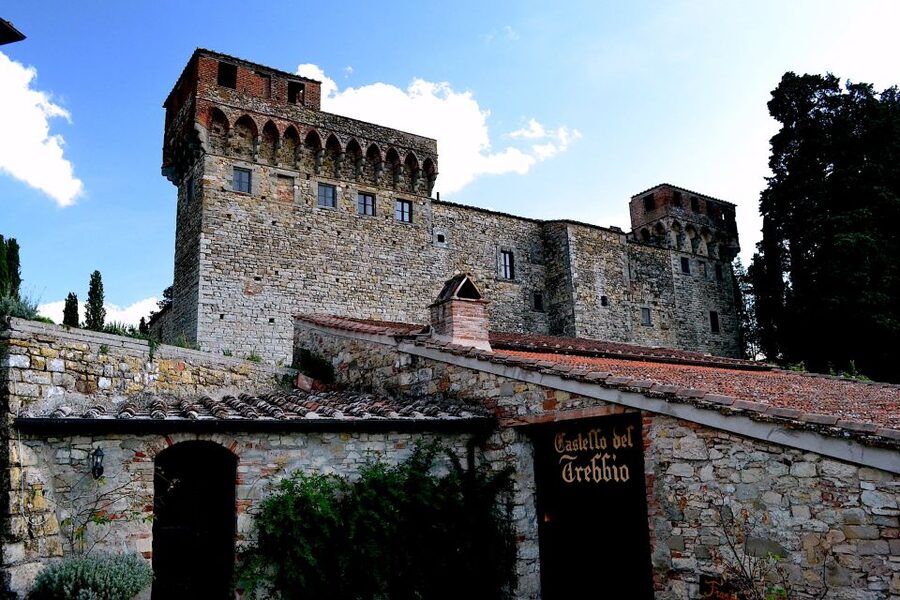
Chianti wine tastes better when the setting includes a medieval castle, a cellar, and rows of vines rolling toward the Tuscan hills. This seven-hour outing from Florence visits two historic estates, with tastings of Chianti Classico, Riserva, and Super Tuscan wines.
I like the small group of no more than eight people, which gives guides such as Hilary and Matteo room to explain the wines rather than simply pour them. I also like the Tuscan lunch of pasta, cold cuts, and cheese, a welcome break between tastings. The main drawback is the long day and limited mobility: this tour is not suitable for people with mobility impairments or pregnant women.
In This Review
- Key details at a glance
- Why this Chianti day trip works
- Leaving Florence for the Rufina area
- First estate: wine in a medieval setting
- A Tuscan lunch between the tastings
- The afternoon winery in the Chianti hills
- Returning through the Tuscan countryside
- What the $283.21 price includes
- Who should book this experience
- Booking and cancellation points
- Final verdict: is the Chianti castle wine tour worth it?
- FAQ
- Where does the tour start and finish?
- How long does the tour last?
- What wines will I taste?
- Is lunch included?
- How large is the group?
- What should I bring, and who should not book?
Key details at a glance
- Two wine estates: Visit one morning estate and one afternoon winery, selected from several historic properties.
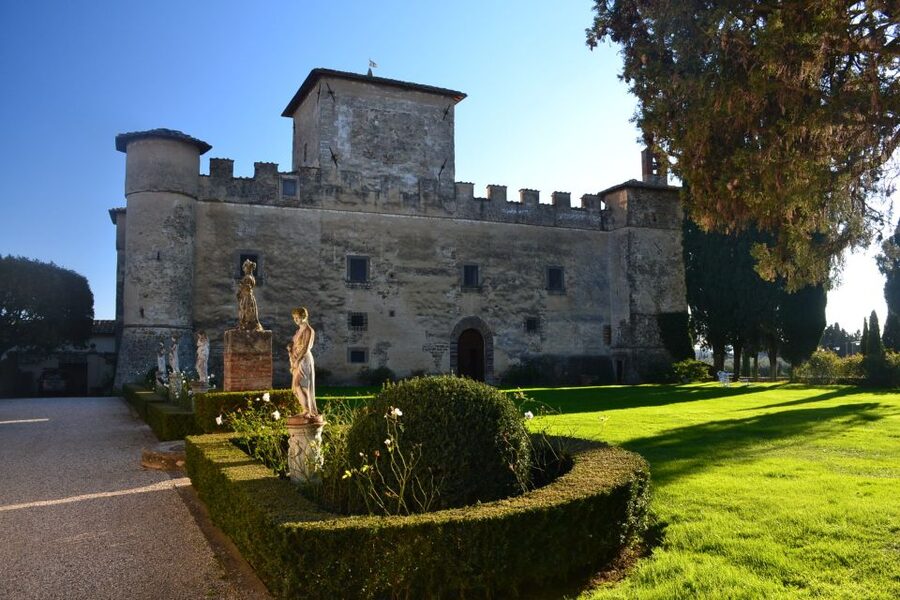
- Medieval settings: The cellars and tastings take place at castles or old Tuscan estates rather than in a plain tasting room.
- Practical wine guidance: Guides explain how to taste, open, rest, and pair the wines you sample.
- Small English-speaking group: A maximum of eight people makes conversation and questions easier.
- Lunch included: Expect local pasta, cured meats, cheeses, and other Tuscan produce at a restaurant.
- Florence round trip: Meet at Piazza dei Cavalleggeri, in front of the Biblioteca Nazionale staircase, and return there after the countryside drive.
Why this Chianti day trip works
Many Florence day trips rush past the vineyards on the way to a famous hill town. This one gives wine the starring role. You spend about two hours at the first estate, two hours over lunch, and another two hours at a second winery. That pace lets you slow down and learn what is in the glass.
The setting matters. Chianti wine is tied to place, farming, old estates, and the Tuscan way of eating. A cellar inside a castle gives you a sense of that connection in a way a quick urban tasting cannot. You are not only comparing bottles. You are seeing where these wines are made and hearing about the customs behind them.
The tour also keeps the group small. With eight people or fewer, you can ask about a grape, a vintage, or a food pairing without waiting through a large crowd. The guide can adjust the talk to the group, which is especially useful if you are new to wine.
The day is conducted in English. Guides Hilary and Matteo received especially warm praise for their clear explanations, wit, patience, and ability to connect wine with local food and history. Hilary, in particular, is described as helping people trust their own nose and palate. That makes this a good choice if you want more than a series of tastings.
More Chianti cellar runs:
- Florence: Pisa, Siena, San Gimignano, and Chianti Experience
★ 4.5 · 8,393 reviews - Florence: Chianti Wineries Tour with Wine Tasting
★ 4.5 · 8,301 reviews - San Gimignano, Siena, Monteriggioni, Chianti Day Trip with Lunch & Wine Tasting
★ 4.5 · 4,432 reviews
Leaving Florence for the Rufina area
The meeting point is Piazza dei Cavalleggeri, in front of the staircase of the Biblioteca Nazionale. From there, you board a minivan and leave Florence for the Rufina wine area and the Chianti hills.
The drive is part of the appeal. You get a break from Florence’s stone streets and crowded sights, with time to watch the Tuscan countryside pass by. The tour description lists the van legs as 45 hours, which does not fit a seven-hour day, so treat that figure as a likely timetable error and confirm the exact transfer length when booking.
A minivan is a practical choice for this route. The estates are outside Florence, and private transport saves you from piecing together trains, buses, and taxis. It also means you can taste wine without worrying about driving back to the city.
The tradeoff is that a small minivan has less space than a coach. Large bags and luggage are not allowed, so bring only what you need for the day. Comfortable shoes are a must, since wine estates and castle grounds may involve uneven surfaces or walking between buildings.
First estate: wine in a medieval setting
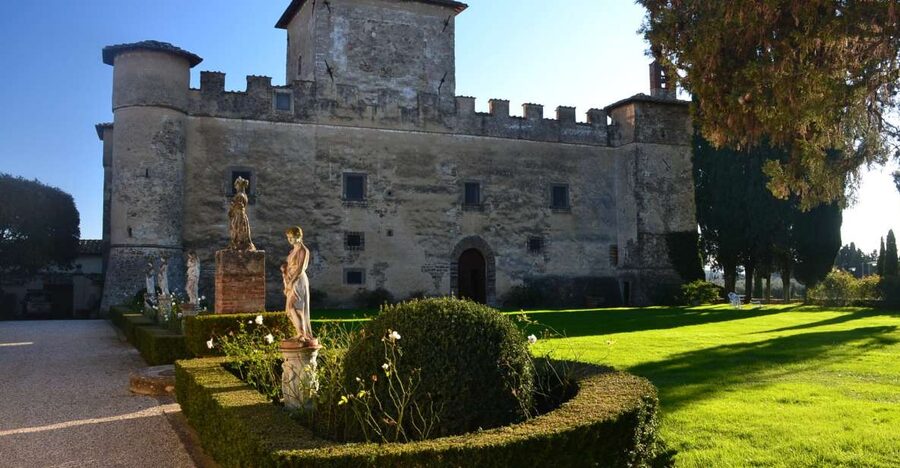
The first stop is selected from Castello della Panereta or Castello di Monsanto. Both names point to the central idea of the day: wine production carried out on old estate grounds with a strong sense of place.
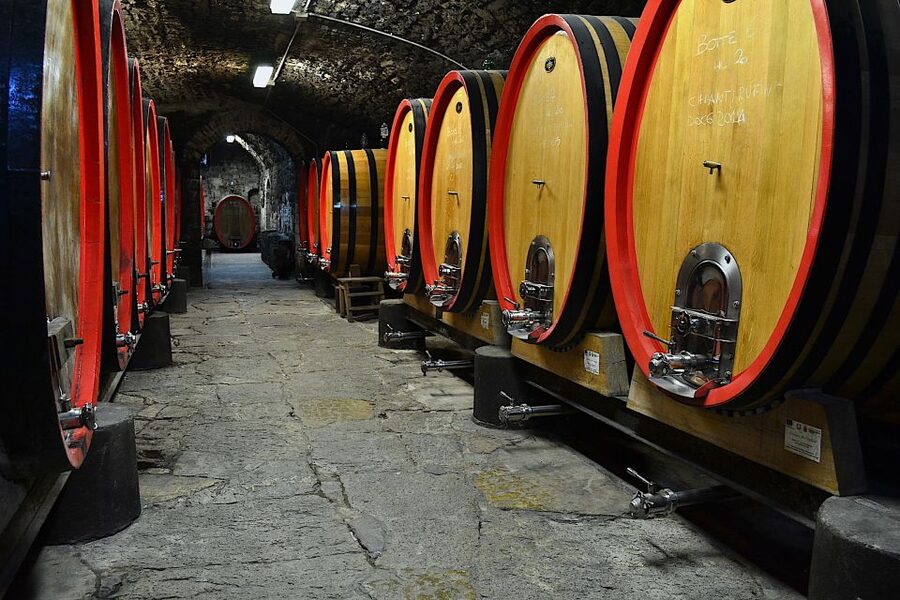
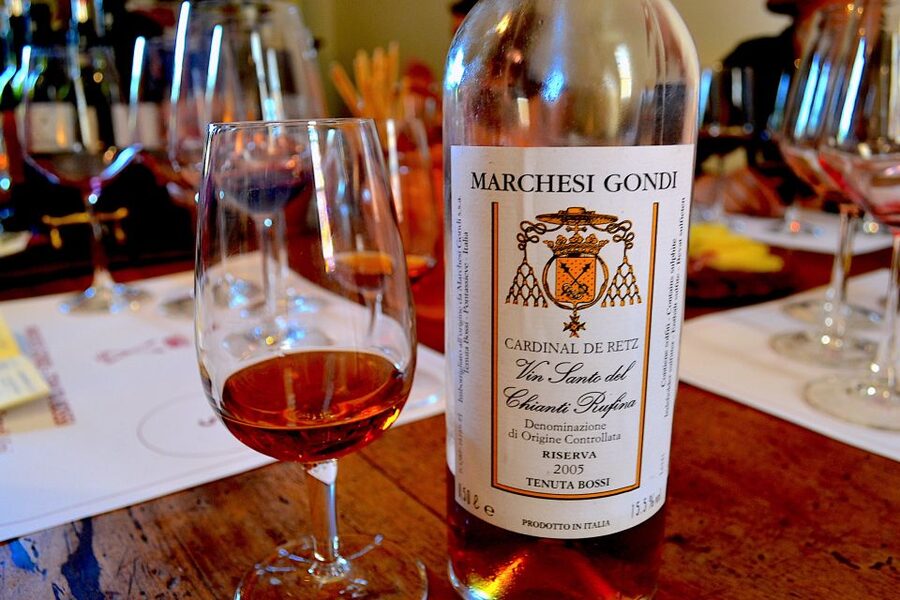
You visit the cellars and hear how the estate makes its wines and other local products. The tasting usually includes a standard Chianti Classico, a Chianti Classico Riserva, and a Super Tuscan. This lineup gives you a useful comparison rather than three bottles that all taste alike.
Chianti Classico is the familiar reference point for the region. The Riserva gives you a chance to see how a wine changes when it spends more time aging. The Super Tuscan offers a different expression from the traditional classification system. You do not need to arrive with technical wine knowledge. The guide explains what to notice and helps connect the wine to the estate.
This is where Hilary’s teaching style could make a real difference. The information available about her guidance focuses on simple, useful skills: trusting your sense of smell, paying attention to your palate, allowing a bottle time to open before serving, and matching wines with food. Those lessons are worth more than a list of tasting notes because you can use them at home.
The castle setting adds atmosphere, but it should not be the only reason you book. The exact estate can vary between the properties listed, and the tour is built around wine education as much as sightseeing. If you want a detailed tour of every castle room, this may not be the right fit. If you want historic surroundings paired with serious tasting, it makes good sense.
A Tuscan lunch between the tastings
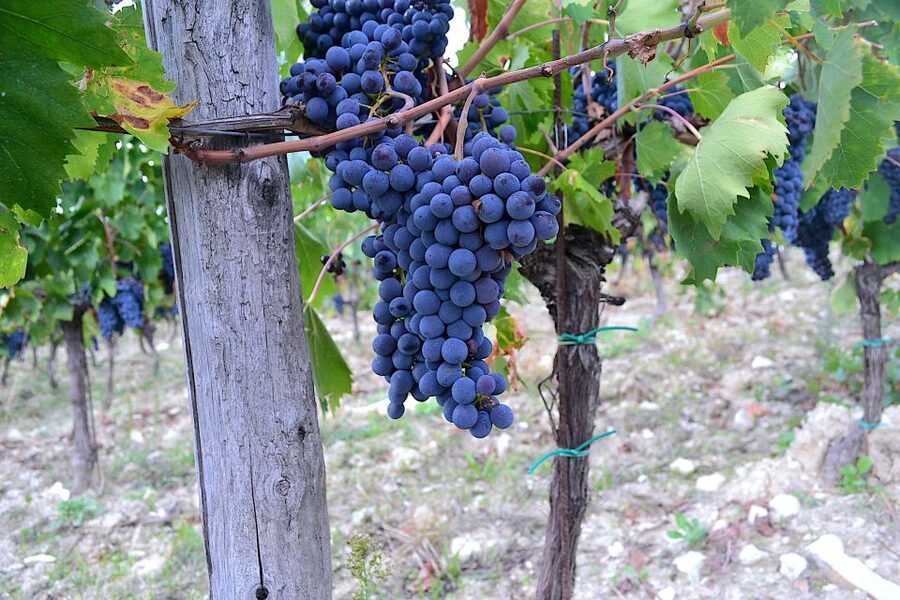
After the first estate, you stop at a local restaurant for a light lunch. The meal includes pasta, cold cuts, cheeses, and other Tuscan specialties.
I like this part of the schedule because it keeps the day from becoming a sequence of glasses and technical explanations. Food gives you a pause, helps you judge the wines in a real meal setting, and shows how local produce fits into everyday Tuscan dining.
The word light is important. This is not described as a long, formal feast. Expect a spread of regional foods rather than an elaborate multi-course restaurant experience. The exact dishes are not specified, so you should not book this expecting a particular pasta, dessert, or dietary menu.
Still, the lunch has real value. Buying a similar meal separately in the Chianti area would add to the cost, and the restaurant stop breaks up the day at the right point. It also gives you a chance to talk with the guide and the other people in your group.
If you have food restrictions, ask before booking. The tour information confirms the presence of pasta, cured meats, and cheeses, but it does not state that vegetarian, vegan, gluten-free, or allergy-specific options are available.
More Florence wine afternoons:
- Tuscany Day Trip from Florence: Siena, San Gimignano, Pisa and Lunch at a Winery
★ 5.0 · 21,634 reviews - Florence: Pasta Cooking Class with Unlimited Wine
★ 4.9 · 10,285 reviews - Small-Group Wine Tasting Experience in the Tuscan Countryside
★ 5.0 · 7,392 reviews - Florence: Pasta & Tiramisu Cooking Class with Unlimited Wine
★ 4.9 · 6,708 reviews
The afternoon winery in the Chianti hills
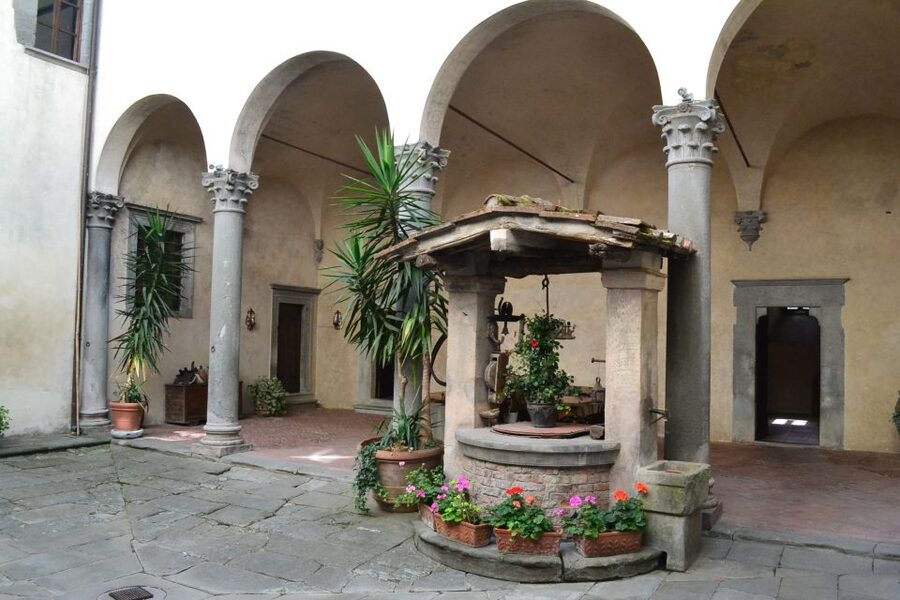
The second wine stop is at either Fattoria Montecchio or Castello dei Rampolla. The location shifts from the first estate to the Chianti hills, giving you another chance to compare how different producers present their wines.
The afternoon includes more tastings of prestigious Chianti wines. This second visit matters because one winery can leave you with an impression of a single producer, while two estates let you notice differences in style, setting, and explanation.
You may find that the second tasting feels more relaxed after lunch. At the same time, two substantial tastings can be tiring, especially if you do not drink often. Pace yourself. Tasting does not require you to finish every pour, and the guide can help you focus on the differences instead of simply counting the glasses.
The historic setting remains part of the experience. Castles and old farms show how wine estates grew from working properties into places known around the world. The tour does not promise a full harvest-season farm visit or a walk through every vineyard, so keep your expectations centered on cellar visits, wine, food, and countryside views.
The small group is useful here. Guides can explain why one wine works with a certain cheese or cured meat, answer questions about opening a bottle, and give you time to form your own opinion. The strongest part of the experience is not being told which wine is best. It is learning how to decide what you like.
Returning through the Tuscan countryside
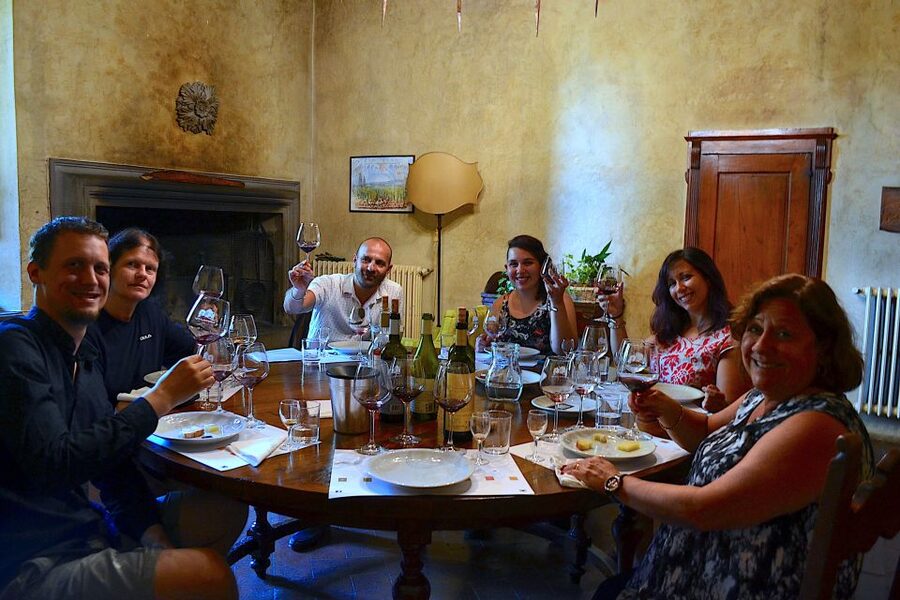
After the afternoon tasting, you return to Florence by minivan and finish at Piazza dei Cavalleggeri. The drive gives you a quiet end to a full day outside the city.
This return transfer is one reason the tour is easier than planning the same route independently. You do not need to navigate rural roads, arrange a designated driver, or work out how to connect multiple estates. The guide handles the route while you look out at the countryside and reflect on the wines.
The day starts and ends at the same meeting point, which is convenient if you are staying in central Florence. Give yourself enough time to reach the Piazza dei Cavalleggeri meeting spot before departure. The staircase of the Biblioteca Nazionale is the stated landmark.
What the $283.21 price includes
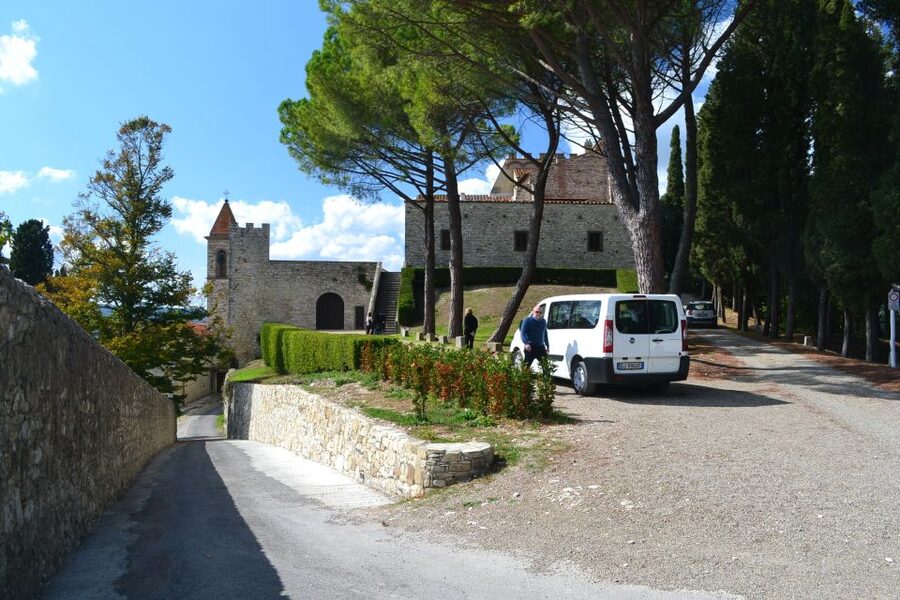
At $283.21 per person, this is not a budget wine outing. The price includes an expert local guide, minivan transport, both sets of wine-tasting fees, and lunch.
That package is strongest for people who value convenience and instruction. Two estate visits, two tastings, a restaurant meal, and round-trip transport would be difficult to arrange on your own without spending time on research and logistics. You are also paying for a small group rather than a large bus operation.
The value is less clear if you mainly want a cheap glass of Chianti and a few photos of a castle. You would be paying for a full day built around several wines, guided explanations, and transport into the countryside. If wine is a minor interest, a shorter tasting in Florence may suit you better.
The included lunch helps soften the cost, as do the tasting fees. Personal expenses and optional activities are not included, so allow extra money if you want to buy bottles, souvenirs, or additional items.
Who should book this experience
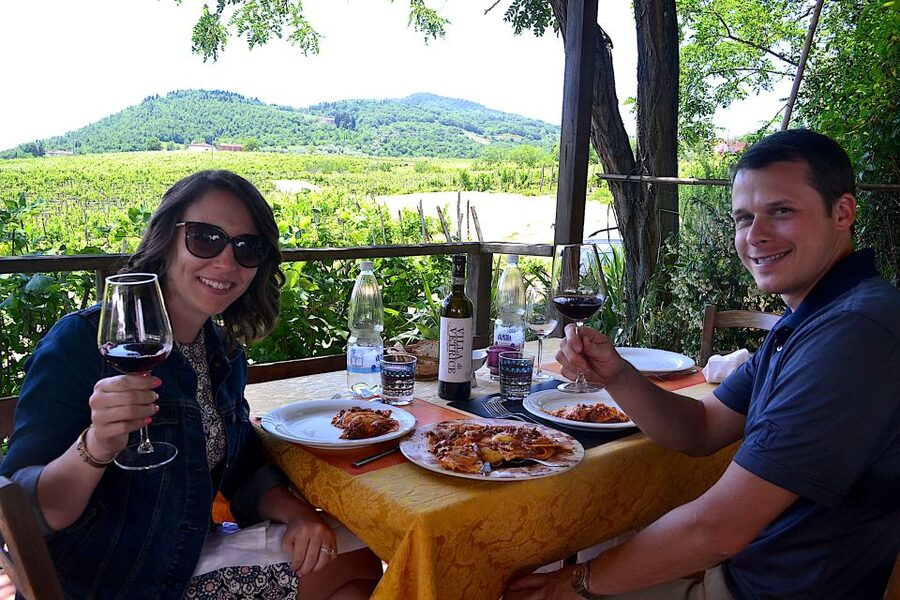
I would choose this tour if you want to combine three parts of Tuscany in one day: wine, historic estates, and local food. It is a strong match for couples, friends, and solo visitors who enjoy red wine and want a guide to explain what they are tasting.
It also suits people who prefer a small group. A maximum of eight participants gives the day a more personal feel and makes it easier to speak with the guide. Hilary’s patient teaching and Matteo’s witty, well-informed style are particular reasons to request one of them if the provider allows guide requests, though the guide is not guaranteed.
The tour is less suitable if you dislike wine, need a highly accessible route, or want a flexible day with plenty of free time. The schedule is structured around two tastings and a fixed lunch stop. Pregnant people and those with mobility impairments should choose another activity, as the tour is specifically not suitable for them.
Smoking and pets are not allowed, and large bags or luggage cannot come along. Wear comfortable shoes and pack lightly.
Booking and cancellation points
The booking information presents free cancellation up to 24 hours before departure, along with a reserve-now-and-pay-later option. The detailed conditions also list charges of EUR 20 per person for cancellations more than seven days before the tour, 50 percent for cancellations more than 24 hours before departure, and the full amount within 24 hours or for a no-show.
Because those terms do not read the same way, check the exact cancellation wording shown for your selected date before paying. The reserve-and-pay-later option can help if your Florence plans are still moving, but it does not remove the need to confirm the final conditions.
Final verdict: is the Chianti castle wine tour worth it?
Book it if you want a polished, full-day introduction to Chianti with two estates, a proper Tuscan lunch, and a small English-speaking group. The combination of cellar visits, Classico and Super Tuscan tastings, castle settings, and countryside transport gives you a much fuller picture than a quick tasting in Florence.
Skip it if you are not interested in red wine, need step-free access, or prefer to explore Tuscany at your own pace. At $283.21, the tour earns its price through included transport, food, tastings, and personal guidance. For wine lovers, especially those keen to learn how to taste and pair Chianti, it is a sensible use of one day in Florence.
FAQ
Where does the tour start and finish?
It starts at Piazza dei Cavalleggeri in front of the staircase of the Biblioteca Nazionale in Florence. The activity ends back at the same meeting point.
How long does the tour last?
The tour lasts seven hours. Check availability for the exact starting time.
What wines will I taste?
The first estate typically serves at least one Chianti Classico, a Chianti Classico Riserva, and a Super Tuscan. The afternoon includes additional tastings of prestigious Chianti wines.
Is lunch included?
Yes. Lunch is included and consists of Tuscan specialties such as pasta, cold cuts, cheeses, and other local produce.
How large is the group?
The tour is limited to eight participants and includes an English-speaking live guide.
What should I bring, and who should not book?
Bring comfortable shoes. Pets, smoking, luggage, and large bags are not allowed. The activity is not suitable for pregnant women or people with mobility impairments.
More Historical Tours in Florence
- Tipsy Tour: Guided Bar Crawl In Florence with Dark History
★ 5.0 · 271 reviews - Florence Cooking Course with Historic Local Market Visit
★ 4.5 · 151 reviews - Florence: Medici Family History Tour
★ 4.3 · 93 reviews - Historical Guided Tour of Florence’s Iconic Cathedral
★ 3.5 · 88 reviews
Latest additions around Florence
- Florence: Cathedral Tour & Brunelleschi’s Dome Climb Ticket★ 5.0 · 3 reviews
- Palatina Gallery and Pitti Guided Tour in Florence★ 5.0 · 3 reviews
- Florence Uffizi Gallery Skip-the-line Tour w Art Historian Guide★ 5.0 · 3 reviews
- Private Tour: Pisa and Lucca from Florence★ 5.0 · 3 reviews
- San Gimignano Bike Tour (SOFT)★ 4.5 · 3 reviews
- Florence: Tour of Florence by rickshaw★ 5.0 · 3 reviews
- Center of Florence by golf cart★ 5.0 · 3 reviews
- The David from Michelangelo.★ 5.0 · 3 reviews
Chianti Wine Tours, compared.
Pisa, Siena, San Gimignano, and Chianti Experience
Read our review →
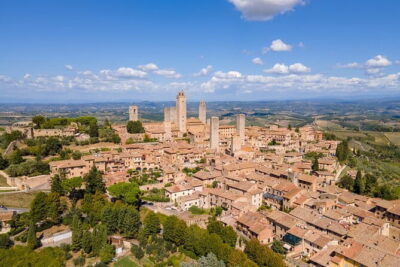
San Gimignano, Siena, Monteriggioni, Chianti Day Trip with Lunch & Wine Tasting
Read our review →
Pisa, Siena, S. Gimignano, Chianti Wine & Lunch
Read our review →

Siena, San Gimignano and Chianti Wines Day Tour from Florence
Read our review →
S. Gimignano, Siena, Chianti & Wine Tasting Lunch
Read our review →Browse the lists this tour appears in